
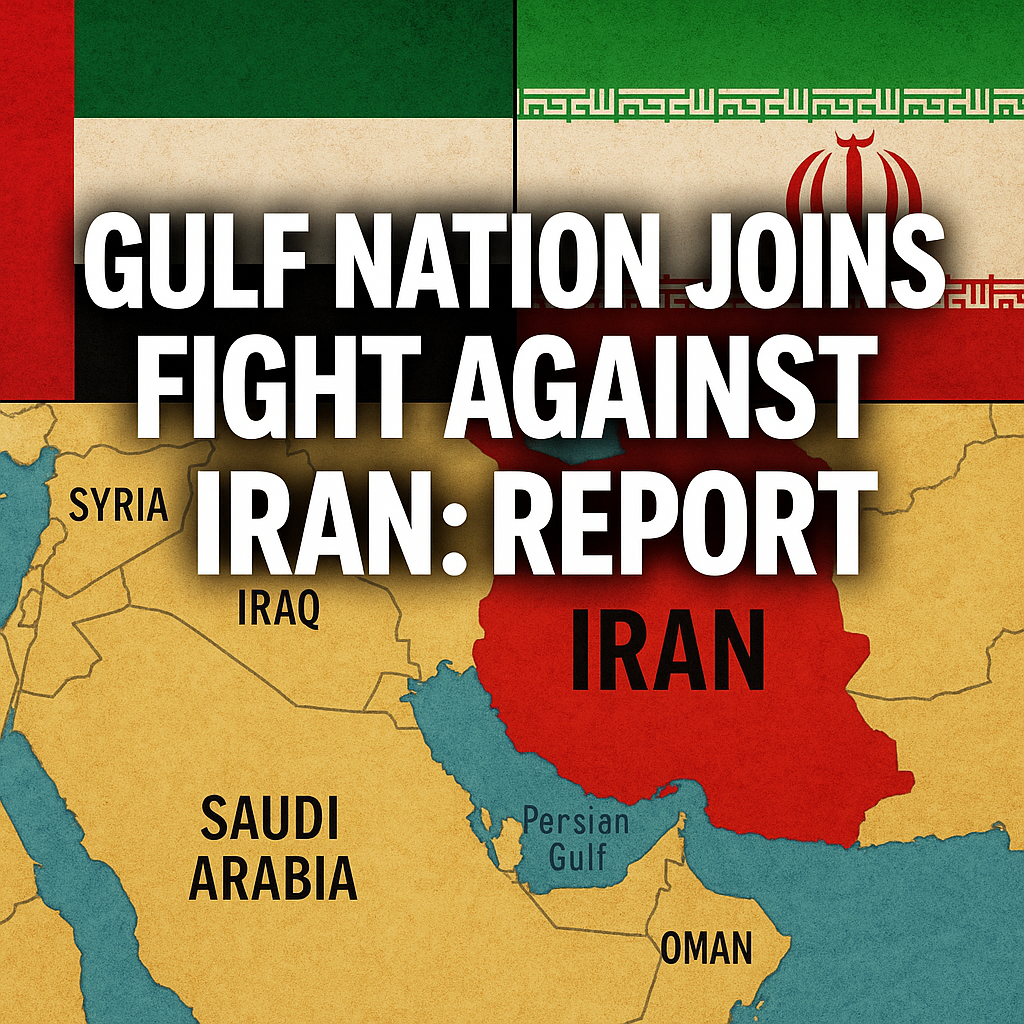
Gulf Nation Joins Fight Against Iran: WSJ Report

Gulf Nation Joins Fight Against Iran: A Complex Landscape
In a strategic shift within the Gulf region, reports indicate that a prominent Gulf nation has decided to align itself more closely with international efforts to check Iran’s influence and activities. This decision has implications not only for regional politics but also for global security dynamics. Understanding the underlying motivations and the broader geopolitical context is essential to grasp the implications of this development.

Understanding the Shift
The Need for Alliance
Amid rising tensions in the Gulf, characterized by Iran’s continued military maneuvers and assertive foreign policy, the UAE has chosen to bolster its alliance with the United States and other partners in a concerted effort to enhance maritime security, especially in the strategic Strait of Hormuz. According to RT, this geographic chokepoint is crucial for oil transport, making its security a top priority for Gulf states heavily reliant on energy exports.


Observers note that Iran has been increasingly assertive in the region, conducting military drills and purportedly developing capabilities that threaten both maritime and land navigation. With such muscle-flexing from Tehran, Gulf nations see a pressing need to unite against potential threats. In this light, the UAE’s alliance with the U.S. appears as an adaptive strategy aimed at safeguarding its national interests while also promoting regional stability.


Cautious Diplomacy
However, not all analysts are quick to cheer this move. Some experts warn against escalating tensions that could spiral into military confrontations. Al Jazeera reports that numerous voices within the region emphasize the need for diplomacy over escalation. Many believe that cooperative efforts in dialogue may offer a more sustainable path forward, rather than reinforcing a militarized stance.
Despite growing concerns about Iran’s role in fomenting unrest in neighboring states like Iraq and Yemen, the consensus is not universally militaristic. A diplomatic approach aims to tackle underlying issues, including sectarian divides and regional conflicts that often pit Gulf countries against Iran.
Divergent Perspectives on Response Strategies
Security Through Strength
Proponents of a hardline response argue that Iran’s recent actions—such as the harassment of commercial vessels—demonstrate a need for robust countermeasures. According to sources from Sky News, the UAE’s commitment to joint naval exercises with the U.S. signals a more robust defense posture aimed at deterring any further provocations by Tehran. This military-oriented strategy rests on the premise that demonstrating strength can prevent aggression.
The militaristic viewpoint often highlights previous instances where Iran has tested the resolve of neighboring countries, suggesting that only a show of strength will effectively dissuade further advancements by the Iranian military.
Dialogue as the Optimal Path
Conversely, many regional experts advocate for a shift toward diplomatic engagement, citing the historical contexts of conflict in the Middle East. They argue that fostering open lines of communication and establishing confidence-building measures can mitigate existing tensions. As noted by various analysts in both RT and Al Jazeera, previous dialogues have occasionally yielded positive outcomes, such as the nuclear agreement negotiated in 2015, although future talks remain fraught with challenges.
The diplomatic school of thought underscores the benefits of addressing common concerns like counter-terrorism and maritime security through collective discussions, rather than unilateral military maneuvers. Shared interests, they argue, can lead to a more unified regional strategy.
The Path Ahead
As the situation evolves, both sides present compelling arguments. On one hand, the urgency to fortify military alliances illustrates the gravity of perceived threats from Iran. On the other hand, the need for dialogue and cautious engagement cannot be dismissed, especially given the complex interplay of regional politics and history.
The prospects for conflict or cooperation will largely hinge on how Gulf nations—led by entities like the UAE—navigate their relationships with both the U.S. and Iran. Policymakers face a crucial balancing act: they must weigh immediate security needs against the long-term benefits of dialogue.
Conclusion
In summary, the decision by a Gulf nation to align more closely with the U.S. against Iran reflects a multifaceted challenge that encompasses military, diplomatic, and economic dimensions. As regional dynamics continue to shift, understanding the nuances and complexities behind such strategic moves is vital. Ultimately, it may require a combination of military readiness and diplomatic efforts to achieve sustained regional peace and stability.















