
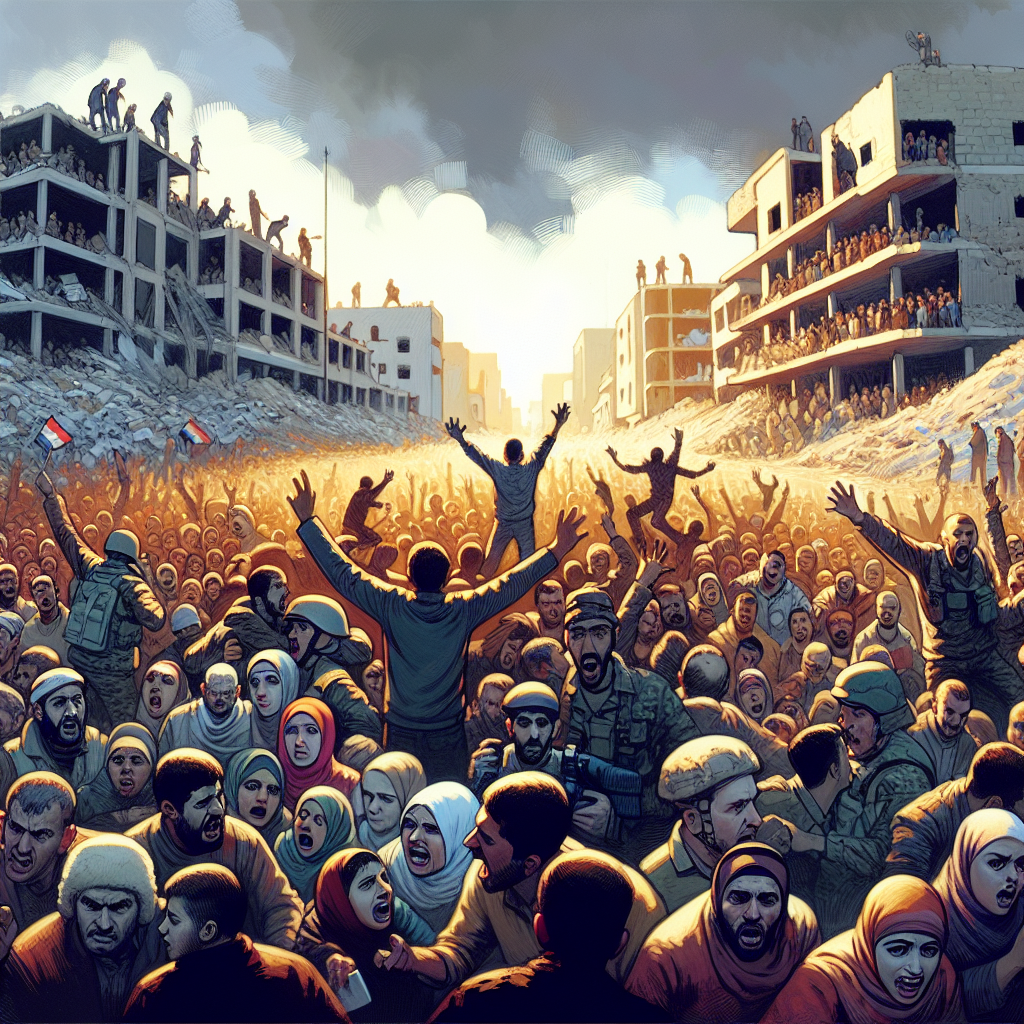
Health Issues and Public Outcry Define Fifth Gaza Ceasefire Prisoner Exchange

Health Issues and Public Outcry Define Fifth Gaza Ceasefire Prisoner Exchange
Background
The fifth ceasefire agreement between Israel and Gaza has been marked by significant health concerns and widespread public outcry. This latest development in the ongoing conflict has brought to light critical issues affecting both regions.

Key Health Concerns
- Medical Shortages: The ceasefire has highlighted severe shortages in medical supplies and personnel in Gaza, exacerbating the humanitarian crisis.
- Psychological Impact: The ongoing conflict and uncertainty have led to increased mental health issues among the civilian population.
- Infrastructure Damage: Damage to healthcare facilities has further strained the already limited resources available to treat the injured and sick.
Public Outcry
The prisoner exchange component of the ceasefire has sparked significant public debate and criticism, both locally and internationally.
Ads


- Controversial Terms: The terms of the prisoner exchange have been criticized for perceived inequities and lack of transparency.
- Human Rights Concerns: Advocacy groups have raised alarms over the treatment of prisoners and the conditions of their release.
- Political Repercussions: The exchange has led to political tensions within both Israeli and Palestinian leadership, with factions expressing dissatisfaction with the agreement.
Conclusion
The fifth Gaza ceasefire, while a temporary reprieve from violence, underscores ongoing health crises and ignites public dissent over prisoner exchange terms. The situation calls for urgent international attention to address humanitarian needs and foster a more equitable resolution to the conflict.
Ads

Ads

Ads

Ads

Ads

Ads

Ads

Ads

Ads

Ads

Ads

Ads

Ads





