
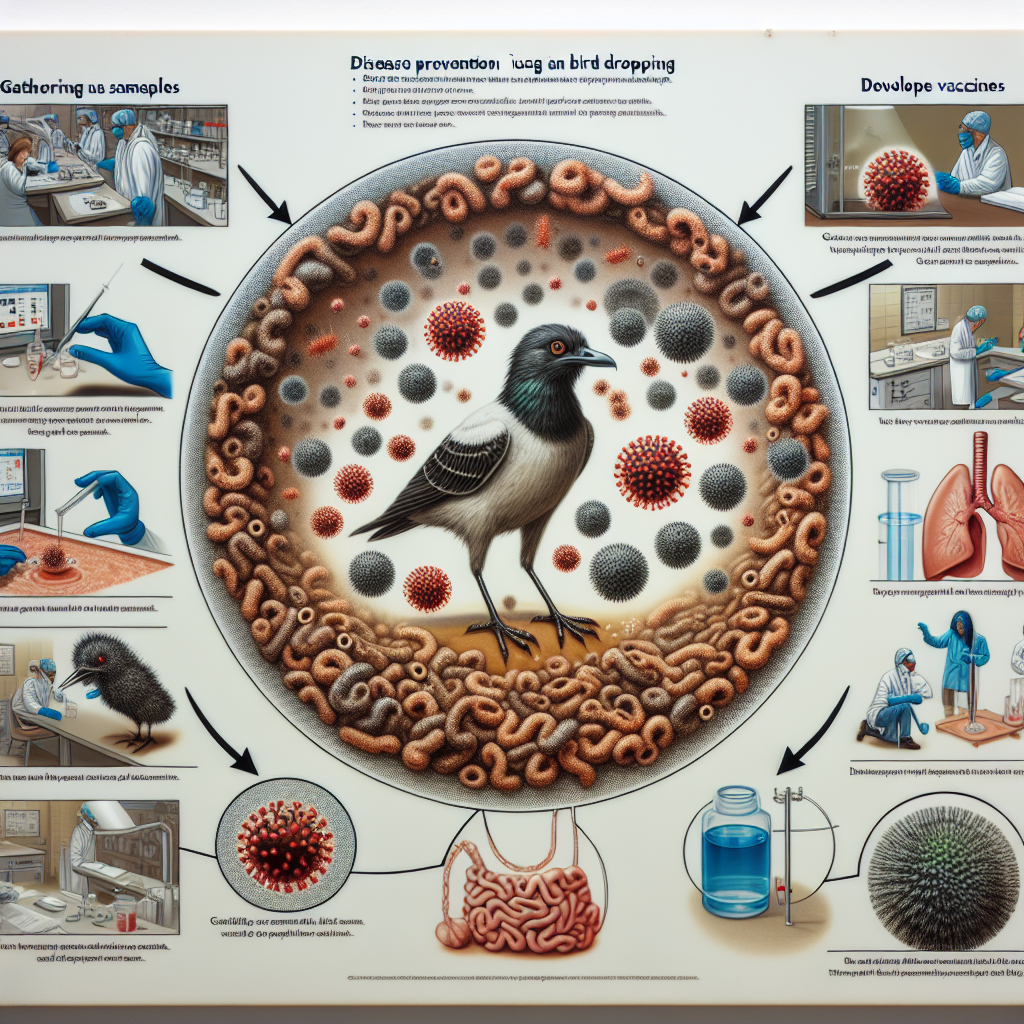
How Bird Droppings Could Prevent the Next Flu Pandemic

How Bird Droppings Could Prevent the Next Flu Pandemic
Introduction
In an unexpected twist, bird droppings might hold the key to preventing future flu pandemics. Researchers are exploring the potential of these natural byproducts to offer insights into flu virus transmission and prevention.

The Science Behind Bird Droppings
Bird droppings, often seen as a nuisance, are now being studied for their role in the ecosystem and their potential to harbor flu viruses. Here’s how they contribute to scientific research:


- Virus Reservoirs: Birds are known carriers of various flu strains, and their droppings can contain these viruses.
- Environmental Sampling: Analyzing droppings helps scientists track virus mutations and spread patterns.
- Early Warning System: Monitoring bird populations and their droppings can provide early indicators of emerging flu strains.
Implications for Public Health
The study of bird droppings offers several potential benefits for public health strategies:


- Improved Surveillance: Enhanced monitoring of bird populations can lead to quicker identification of new flu strains.
- Vaccine Development: Understanding virus evolution in birds can inform more effective vaccine formulations.
- Preventive Measures: Insights from bird droppings can guide public health policies to mitigate flu outbreaks.
Challenges and Considerations
While promising, the use of bird droppings in flu prevention is not without challenges:
- Data Collection: Gathering and analyzing droppings on a large scale requires significant resources.
- Environmental Impact: Ensuring that research methods do not harm bird populations or their habitats is crucial.
- Interdisciplinary Collaboration: Success depends on collaboration between virologists, ecologists, and public health experts.
Conclusion
Bird droppings, often overlooked, could play a pivotal role in preventing future flu pandemics. By leveraging these natural resources, scientists aim to enhance virus surveillance, improve vaccine development, and implement effective public health measures. While challenges remain, the potential benefits make this an exciting area of research with significant implications for global health.













