
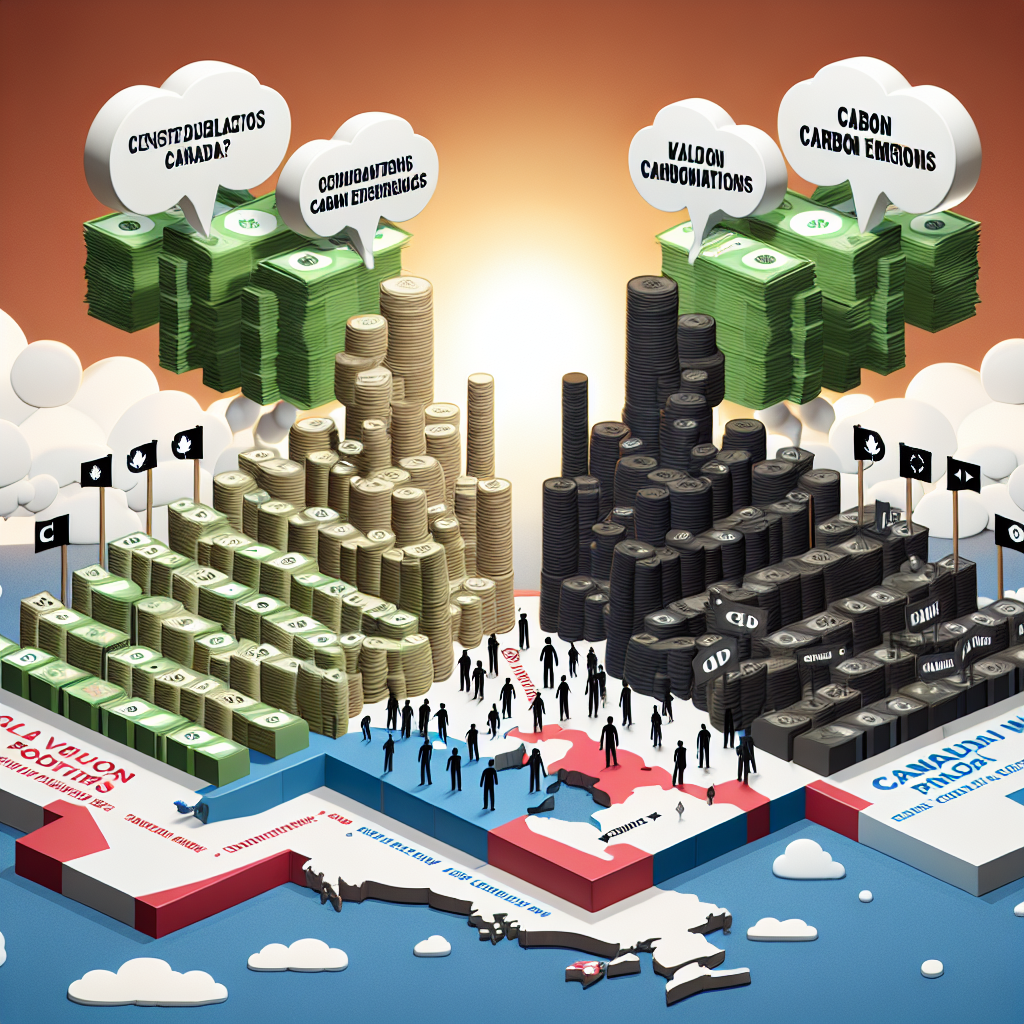
How Canada’s Carbon Pricing Turned into a Political Battleground

How Canada’s Carbon Pricing Turned into a Political Battleground
Introduction to Carbon Pricing in Canada
Canada’s carbon pricing strategy, designed to reduce greenhouse gas emissions, has become a contentious issue, sparking intense political debate across the nation. Initially introduced as a measure to combat climate change, it has evolved into a polarizing topic with significant implications for both the environment and the economy.

The Genesis of Carbon Pricing
Carbon pricing was introduced as part of Canada’s commitment to the Paris Agreement, aiming to incentivize businesses and individuals to reduce their carbon footprint. The policy includes a federal carbon tax and a cap-and-trade system, with the goal of reducing emissions while promoting clean energy solutions.


Political Divisions and Controversies
The implementation of carbon pricing has led to sharp political divisions, with various stakeholders expressing differing views:


- Supporters: Advocate for carbon pricing as an essential tool for addressing climate change and promoting sustainable economic growth.
- Opponents: Criticize the policy for increasing costs for consumers and businesses, arguing it disproportionately affects certain regions and industries.
- Provincial Disputes: Some provinces have resisted the federal mandate, leading to legal challenges and calls for more tailored regional approaches.
Economic and Environmental Impacts
The economic and environmental impacts of carbon pricing are at the heart of the debate:
- Economic Concerns: Critics argue that the policy could lead to higher energy prices and reduced competitiveness for Canadian businesses.
- Environmental Benefits: Proponents highlight the potential for significant reductions in emissions and the promotion of green technologies.
Future Prospects and Challenges
As Canada continues to navigate the complexities of carbon pricing, several challenges and opportunities lie ahead:
- Policy Adjustments: Ongoing discussions about refining the policy to address regional disparities and economic concerns.
- Technological Innovations: Encouraging advancements in clean energy technologies to support the transition to a low-carbon economy.
- Public Engagement: Increasing public awareness and support for climate initiatives to ensure long-term success.
Conclusion
Canada’s carbon pricing has become a significant political battleground, reflecting broader tensions between economic interests and environmental responsibilities. As the nation seeks to balance these priorities, the outcome of this debate will have lasting implications for Canada’s climate policy and its role in the global fight against climate change.















