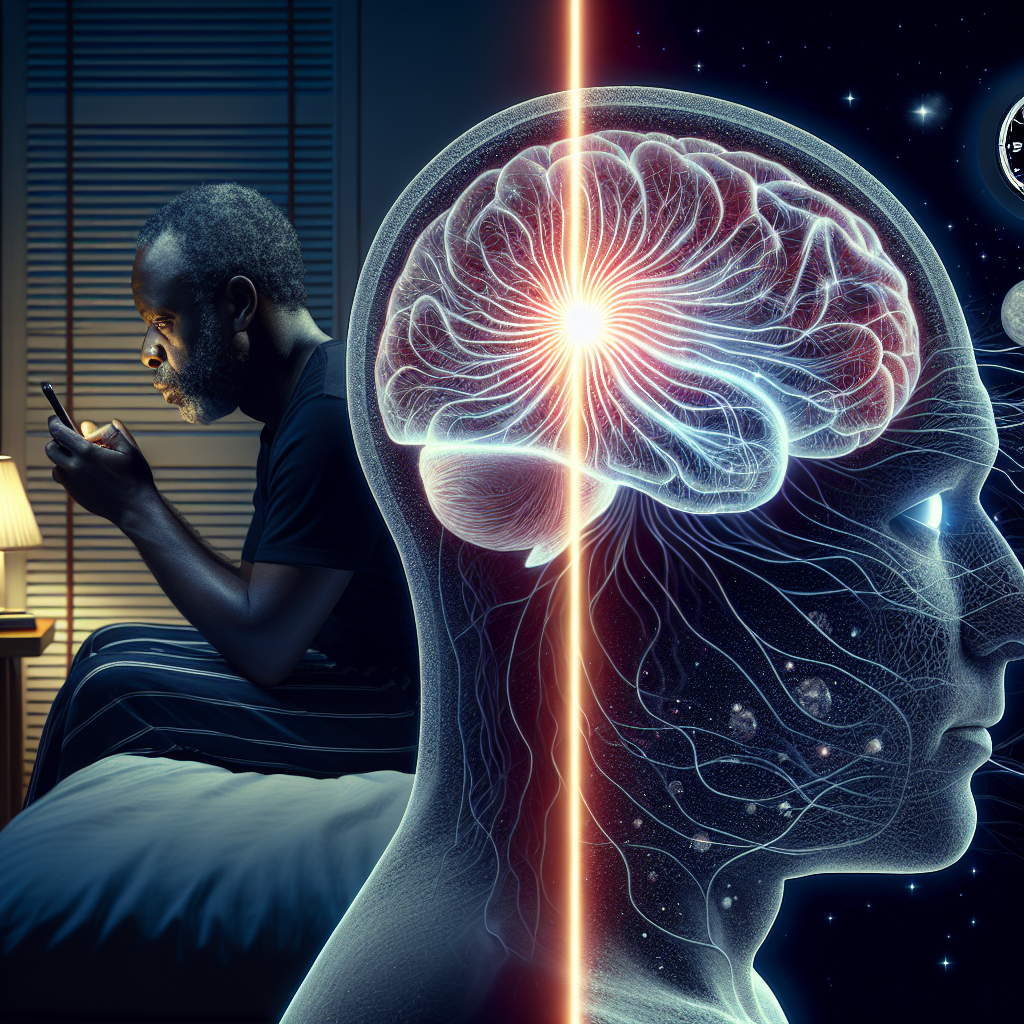
How Your Nighttime Phone Use Disrupts Sleep and Harms Brain Health

How Your Nighttime Phone Use Disrupts Sleep and Harms Brain Health
The Modern Dilemma: Nighttime Phone Use
In today’s digital age, the habit of using smartphones before bed has become increasingly common. However, this seemingly harmless activity can have significant repercussions on both sleep quality and brain health.

The Science Behind Sleep Disruption
Using your phone at night can interfere with your sleep in several ways:


- Blue Light Exposure: The blue light emitted by phone screens can suppress the production of melatonin, the hormone responsible for regulating sleep cycles.
- Increased Alertness: Engaging with stimulating content can increase brain activity, making it harder to wind down and fall asleep.
- Delayed Sleep Onset: Prolonged screen time can lead to delayed sleep onset, reducing overall sleep duration.
Impact on Brain Health
Beyond sleep disruption, nighttime phone use can also have detrimental effects on brain health:


- Cognitive Impairment: Poor sleep quality can lead to cognitive decline, affecting memory, attention, and decision-making skills.
- Mental Health Issues: Chronic sleep deprivation is linked to increased risks of anxiety and depression.
- Reduced Brain Plasticity: Lack of restorative sleep can hinder the brain’s ability to adapt and reorganize itself, impacting learning and memory.
Strategies for Healthier Nighttime Habits
To mitigate the negative effects of nighttime phone use, consider adopting these healthier habits:
- Establish a Digital Curfew: Set a specific time to disconnect from screens at least an hour before bed.
- Use Night Mode: Activate the night mode feature on your phone to reduce blue light exposure.
- Create a Relaxing Bedtime Routine: Engage in calming activities such as reading a book or practicing meditation to prepare your mind for sleep.
Conclusion
While smartphones are an integral part of modern life, their use before bedtime can significantly disrupt sleep and harm brain health. By understanding the science behind these effects and adopting healthier nighttime habits, individuals can improve their sleep quality and protect their cognitive well-being.