
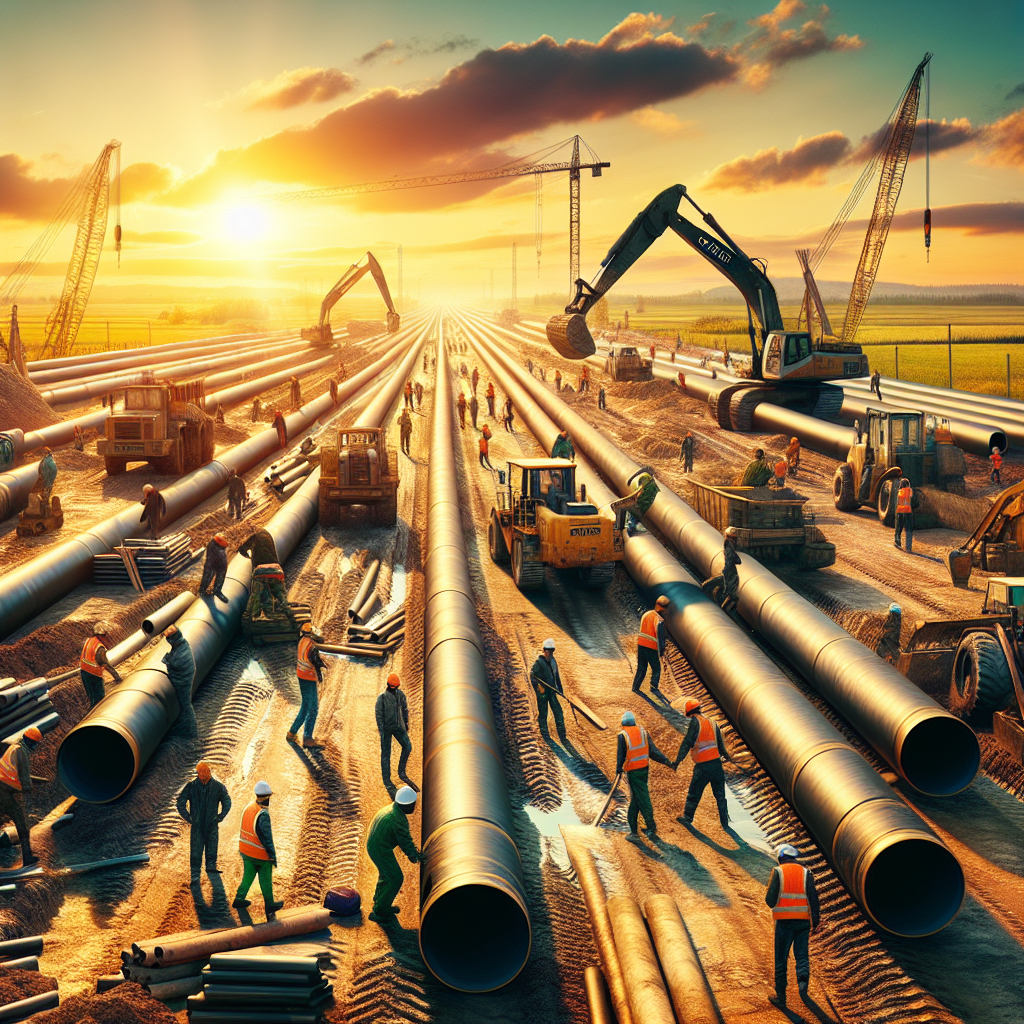
Hungary and Serbia Accelerate New Russian Oil Pipeline Construction

Hungary and Serbia Accelerate New Russian Oil Pipeline Construction
Overview
In a strategic move to enhance energy security and diversify supply routes, Hungary and Serbia have announced the acceleration of a new oil pipeline project in collaboration with Russia. This development comes amid ongoing geopolitical tensions and energy supply challenges in Europe.

Key Objectives
- Energy Security: The pipeline aims to secure a stable and reliable supply of oil to both Hungary and Serbia, reducing dependency on other routes.
- Economic Benefits: The project is expected to boost economic ties between the participating countries and create job opportunities during the construction phase.
- Strategic Diversification: By diversifying their energy supply routes, Hungary and Serbia aim to mitigate risks associated with potential disruptions in existing supply chains.
Geopolitical Context
The decision to fast-track the pipeline construction is influenced by the current geopolitical landscape, where energy resources have become a focal point of international relations. The collaboration with Russia, a major global energy supplier, underscores the complex dynamics at play.


Technical Aspects
- Route: The pipeline will traverse key regions in Hungary and Serbia, connecting to existing infrastructure to facilitate efficient oil transport.
- Capacity: Designed to handle significant volumes, the pipeline will enhance the oil supply capacity for both nations.
- Timeline: With accelerated construction plans, the project aims for completion within a few years, pending regulatory approvals and environmental assessments.
Potential Challenges
- Regulatory Hurdles: Navigating the regulatory landscape and securing necessary permits could pose challenges.
- Environmental Concerns: Addressing environmental impact and ensuring sustainable practices will be crucial for project success.
- International Relations: The project may face scrutiny from other European nations and international bodies concerned about increased Russian influence.
Conclusion
The accelerated construction of the new Russian oil pipeline by Hungary and Serbia represents a significant step towards enhancing energy security and economic cooperation. While the project promises numerous benefits, it also faces potential challenges that will require careful navigation. As the geopolitical landscape continues to evolve, the success of this initiative will depend on strategic planning and international collaboration.














