
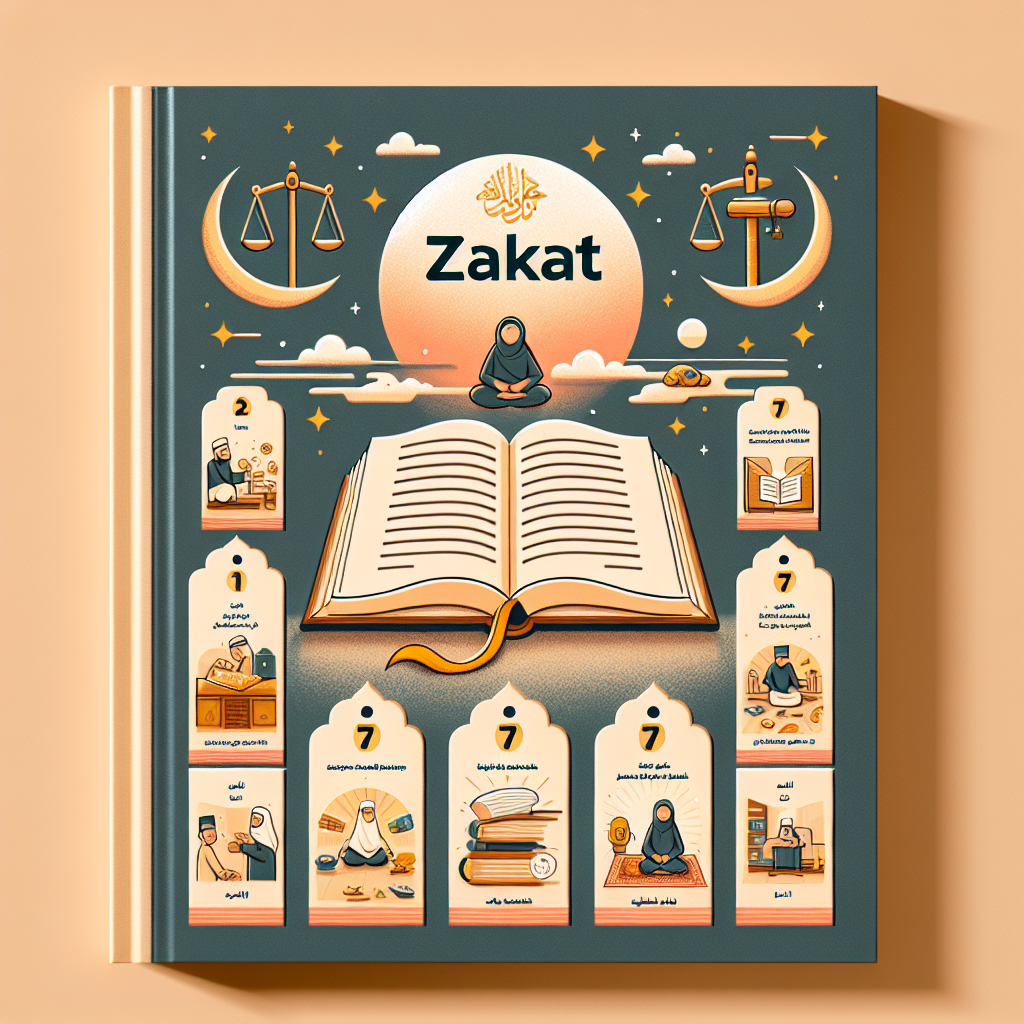
Illustrated Guide to Zakat: Answering 7 Common Questions

Illustrated Guide to Zakat: Answering 7 Common Questions
Understanding Zakat
Zakat, one of the Five Pillars of Islam, is a form of almsgiving and religious obligation for Muslims. It plays a crucial role in wealth distribution and social welfare within the Islamic community.

Key Questions Answered
The guide addresses seven frequently asked questions about Zakat, providing clarity and insight into its practice and significance.
Ads


1. What is Zakat?
- Zakat is a mandatory charitable contribution, typically 2.5% of a Muslim’s savings and wealth above a certain threshold, known as Nisab.
- It is intended to purify wealth and assist those in need.
2. Who is Eligible to Pay Zakat?
- Muslims who possess wealth above the Nisab threshold for a lunar year are obligated to pay Zakat.
- Both adults and children with qualifying wealth are subject to this obligation.
3. How is Zakat Calculated?
- Zakat is calculated based on savings, investments, and other forms of wealth.
- Assets such as gold, silver, and cash are considered, while personal items like clothing and household goods are exempt.
4. Who Benefits from Zakat?
- Zakat is distributed to specific categories of beneficiaries, including the poor, needy, and those in debt.
- It also supports causes like freeing captives and aiding travelers in distress.
5. When Should Zakat be Paid?
- Zakat is typically paid once a year, often during the holy month of Ramadan.
- However, it can be paid at any time of the year as long as the wealth has been held for a lunar year.
6. What is the Difference Between Zakat and Sadaqah?
- Zakat is obligatory, while Sadaqah is voluntary charity given at any time and in any amount.
- Sadaqah can be given to anyone, whereas Zakat has specific recipients.
7. How Does Zakat Impact Society?
- Zakat promotes economic equality and social justice by redistributing wealth.
- It helps alleviate poverty and supports community development.
Conclusion
The “Illustrated Guide to Zakat” provides a comprehensive overview of this essential Islamic practice, answering common questions and highlighting its importance in fostering a just and equitable society. By understanding and fulfilling their Zakat obligations, Muslims contribute to the welfare of their communities and uphold a key tenet of their faith.
Ads

Ads

Ads

Ads

Ads

Ads

Ads

Ads

Ads

Ads

Ads

Ads

Ads





