Impact of US-China Trade War on ‘Make in India’ Initiative

Impact of US-China Trade War on ‘Make in India’ Initiative
Introduction
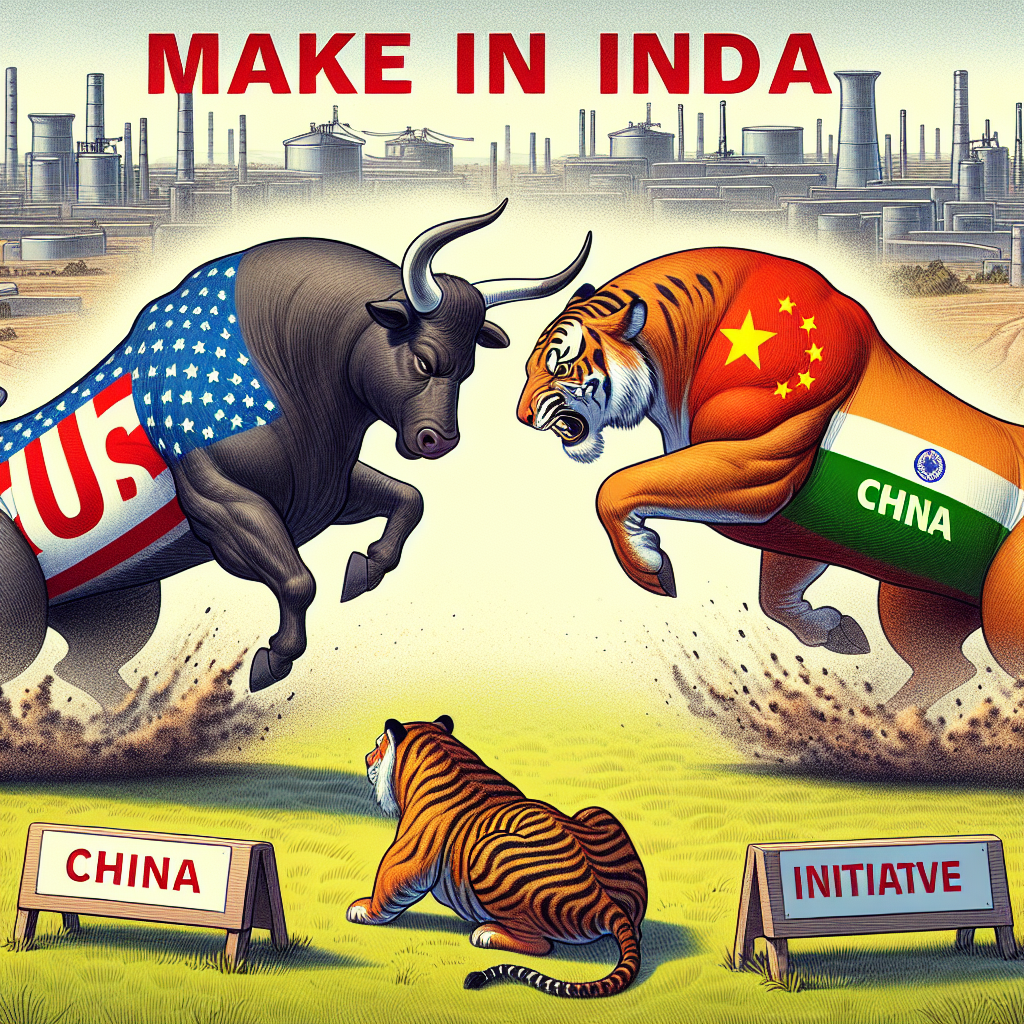
The ongoing trade tensions between the United States and China have created a ripple effect across global markets. One of the significant areas impacted is India’s ambitious ‘Make in India’ initiative, which aims to transform the country into a global manufacturing hub. This summary explores how the trade war has influenced this initiative, highlighting both challenges and opportunities.

Opportunities for ‘Make in India’
The US-China trade war has opened several doors for India to enhance its manufacturing capabilities:


- Shift in Manufacturing Base: Companies looking to diversify their supply chains are considering India as a viable alternative to China.
- Increased Foreign Investment: The trade tensions have led to increased foreign direct investment (FDI) in India, as businesses seek stable environments.
- Policy Support: The Indian government has introduced favorable policies to attract global manufacturers, including tax incentives and infrastructure development.
Challenges Faced
Despite the opportunities, several challenges hinder the full potential of the ‘Make in India’ initiative:


- Infrastructure Deficiencies: India’s infrastructure needs significant upgrades to support large-scale manufacturing.
- Regulatory Hurdles: Complex regulatory frameworks can deter foreign companies from setting up operations in India.
- Skilled Labor Shortage: There is a need for a skilled workforce to meet the demands of advanced manufacturing processes.
Strategic Responses
To capitalize on the opportunities and mitigate challenges, India is adopting several strategic measures:
- Infrastructure Development: Investments in transportation, logistics, and energy sectors are being prioritized.
- Ease of Doing Business: Reforms are underway to simplify business regulations and reduce bureaucratic red tape.
- Skill Development Programs: Initiatives to enhance the skill set of the workforce are being implemented to meet industry demands.
Conclusion
The US-China trade war presents a mixed bag of opportunities and challenges for India’s ‘Make in India’ initiative. While the potential for growth and increased foreign investment is significant, addressing infrastructure, regulatory, and labor issues is crucial for realizing this potential. With strategic planning and execution, India can position itself as a key player in the global manufacturing landscape.