
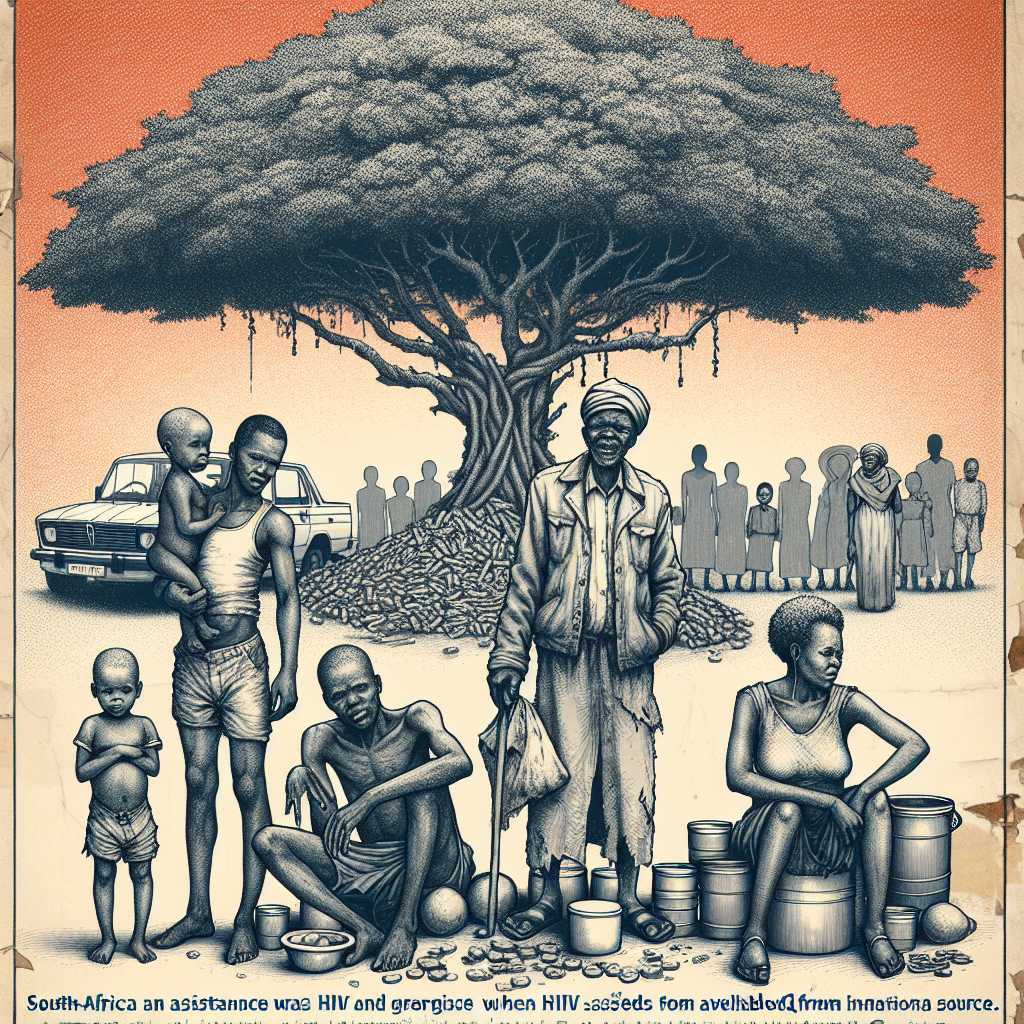
Impact of US Funding Reductions on South African Families Affected by HIV

Impact of US Funding Reductions on South African Families Affected by HIV
Introduction
The recent decision by the United States to reduce funding for HIV programs in South Africa has raised significant concerns about the potential repercussions on families affected by the virus. This move could have far-reaching implications for healthcare services and the well-being of millions of South Africans.

Key Impacts of Funding Reductions
- Healthcare Services: Reduced funding may lead to a decrease in the availability of antiretroviral treatments, which are crucial for managing HIV.
- Prevention Programs: Cuts could affect initiatives aimed at preventing the spread of HIV, including education and outreach efforts.
- Support Systems: Families relying on support services for counseling and assistance may face challenges due to limited resources.
Community Concerns
Local communities and healthcare providers have expressed concerns about the potential increase in HIV transmission rates and the strain on already overburdened healthcare systems. The reduction in funding could undermine years of progress made in combating the epidemic.


Government and NGO Responses
- Government Initiatives: The South African government is exploring alternative funding sources and strategies to mitigate the impact of the cuts.
- NGO Efforts: Non-governmental organizations are ramping up efforts to fill the gaps left by the funding reductions, though they face their own financial constraints.
Conclusion
The reduction in US funding for HIV programs in South Africa poses significant challenges for families affected by the virus. With potential impacts on healthcare services, prevention programs, and support systems, the need for alternative solutions and increased local efforts is more critical than ever. The situation underscores the importance of sustained international support and collaboration in the fight against HIV.

















