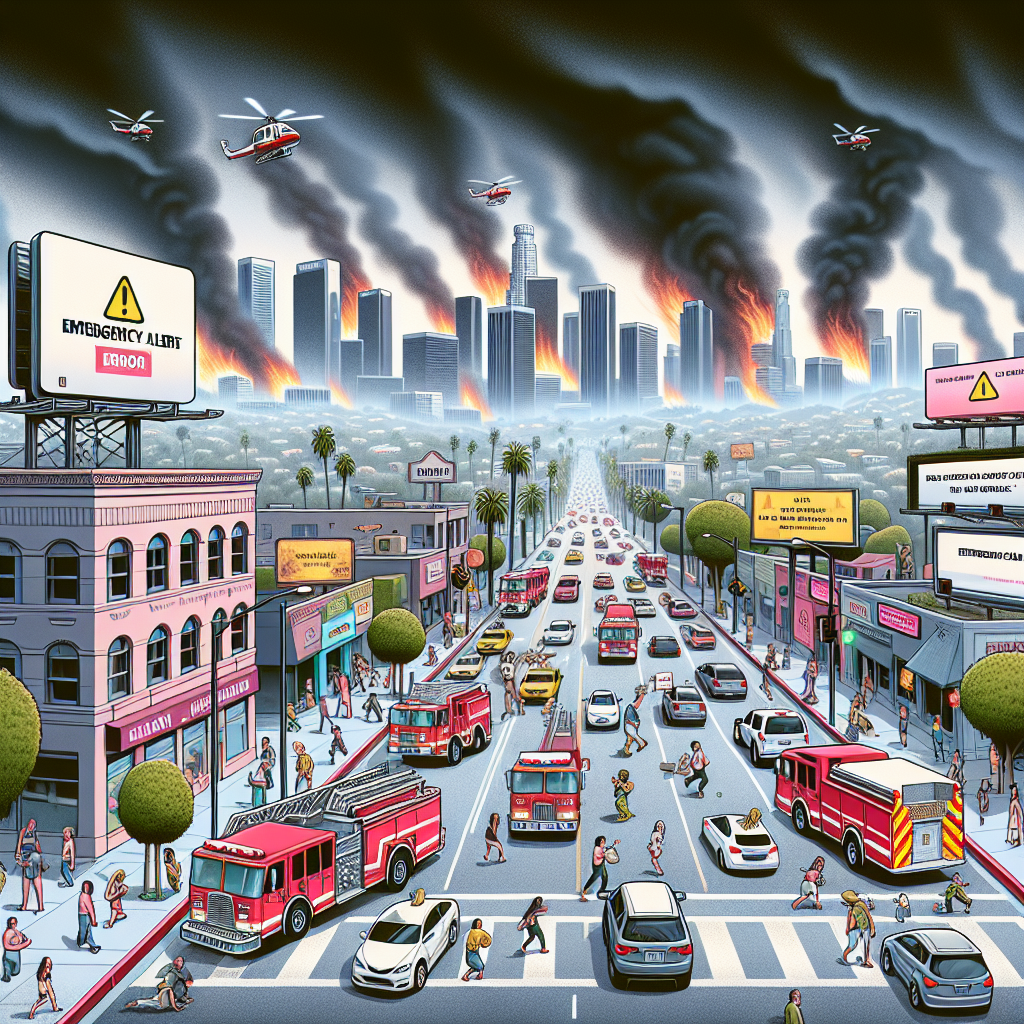
Inadequate Emergency Alerts Failed Residents During Critical Los Angeles Wildfires

Inadequate Emergency Alerts Failed Residents During Critical Los Angeles Wildfires
Overview of the Crisis
During a series of devastating wildfires in Los Angeles, the emergency alert system failed to adequately inform residents, leading to confusion and increased danger. The lack of timely and effective communication left many individuals unprepared and vulnerable as the fires rapidly spread.

Key Issues with the Alert System
- Delayed Notifications: Alerts were not sent out promptly, leaving residents with little time to evacuate.
- Inconsistent Messaging: The information provided was often unclear or contradictory, causing confusion among the public.
- Technological Failures: Technical glitches prevented some alerts from reaching all intended recipients.
Impact on Residents
The failure of the emergency alert system had significant consequences for those living in affected areas:


- Increased Risk: Many residents were caught off guard, leading to dangerous last-minute evacuations.
- Property Damage: The lack of timely alerts contributed to greater property loss as people were unable to secure their homes.
- Emotional Distress: The uncertainty and fear caused by inadequate communication heightened stress and anxiety among residents.
Calls for Improvement
In the wake of these failures, there have been strong calls for improvements to the emergency alert system:


- Enhanced Technology: Upgrading the alert system to ensure reliability and reach.
- Clear Communication Protocols: Establishing consistent and clear messaging to avoid confusion.
- Regular Testing and Drills: Conducting frequent tests and drills to ensure the system functions effectively during emergencies.
Conclusion
The inadequacies of the emergency alert system during the Los Angeles wildfires underscore the critical need for improvements in communication technology and protocols. Ensuring timely, clear, and reliable alerts is essential to protect residents and minimize the impact of future disasters.