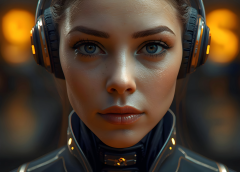
Inside CES 2026: The Breakthrough Technologies Shaping AI, Robotics, and the Future of Everyday Life

As the dust settles on this year’s Consumer Electronics Show, it’s clear that 2026 has become a pivotal year for technology enthusiasts and industry insiders alike. Set against the backdrop of Las Vegas, CES 2026 illuminated groundbreaking advancements that promise to redefine artificial intelligence, robotics, and the fabric of everyday life. From AI-driven health monitoring to immersive robotics, the event showcased innovations that could profoundly influence how we interact with technology and each other.

AI-Powered Health Revolution
One of the standout themes at CES 2026 was the intersection of artificial intelligence and healthcare. Numerous companies unveiled AI-driven systems capable of early disease detection, leveraging vast datasets to spot anomalies that human practitioners might overlook. These innovations promise not only quicker diagnostics but also personalized treatment recommendations, a leap towards tailored medicine.


For example, a new AI system demonstrated its potential in predicting diabetes risk by analyzing lifestyle and genetic factors. These systems are designed to empower individuals with health insights, enabling them to take proactive measures rather than reactive ones.


Robotics in Daily Life
Not far from the health advancements, the robotics sector presented an impressive array of developments tailored for everyday use. Household robots have evolved beyond simple vacuuming tasks. At this year’s CES, companies showcased multi-functional robots capable of cooking, cleaning, and even providing companionship.
One charming example was a robot named “CompanionBot,” engineered to assist the elderly with daily routines while also offering emotional support through interactive conversations. These robots integrate seamlessly into home ecosystems, learning preferences over time to provide a more personalized experience.
The Rise of Smart Environments
CES 2026 also put a spotlight on the concept of smart environments. Homes and cities are evolving into interconnected ecosystems driven by AI, offering convenience and efficiency like never before. Smart home devices have started utilizing AI to learn user behaviors—optimizing energy consumption, enhancing security systems, and managing appliances with unprecedented intuitiveness.
For instance, a notable innovation was the introduction of a smart energy management system that not only tracks energy usage but suggests modifications for improved efficiency. This technology aims to create more sustainable living environments while lowering costs for homeowners.
Transportation and Mobility
The transportation sector also took center stage at CES 2026, with numerous automakers unveiling electric vehicles (EVs) embedded with advanced AI technologies. These vehicles feature robust adaptive systems that enhance safety and user experience by predicting driving patterns and potential hazards.
Moreover, the future of public transport was highlighted through presentations of autonomous public transport solutions, set to reshape urban mobility. These initiatives not only aim to reduce traffic congestion but also strive to make transportation more environmentally friendly.
Conclusion: Embracing the Future
CES 2026 served as a powerful reminder of technology’s potential to improve everyday life. The convergence of AI, robotics, and smart environments illustrated a future where technology can enhance health, automate daily tasks, and streamline transportation.
As we move toward a more tech-driven society, the innovations showcased at CES are not merely futuristic dreams; they are tangible advancements that could enrich our daily experiences. Engaging with these technologies will require us to navigate challenges and embrace opportunities for a newly integrated, automated world. As these breakthroughs continue to develop, they beckon us to imagine and shape the future with care and responsibility.