
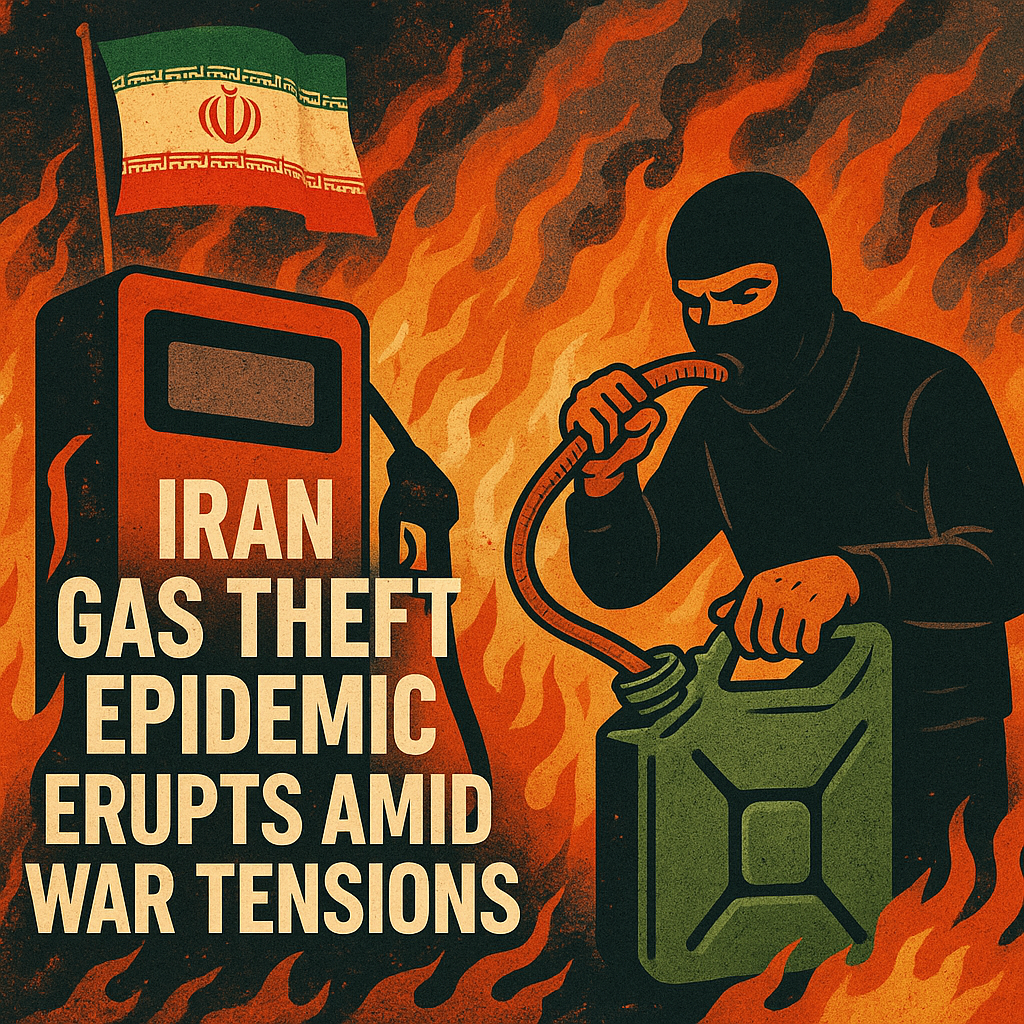
Iran Gas Theft Epidemic Erupts Amid War Tensions

Iran Gas Theft Epidemic Erupts Amid War Tensions
The recent surge in gas theft in Iran has raised alarm bells amidst ongoing geopolitical tensions in the region. Various reports indicate that the theft of gas has reached epidemic proportions, exacerbated by the complex interplay of war dynamics and domestic challenges. This article explores the multifaceted issues surrounding gas theft in Iran, drawing from multiple reputable sources to present a balanced perspective.

The Landscape of Gas Theft in Iran
Gas theft in Iran is not a new phenomenon; however, it has intensified dramatically in recent months. As highlighted by RT News, the Iranian government reported losses amounting to millions of dollars due to unauthorized siphoning of gas. This raises questions about accountability and the state’s capacity to secure vital resources amidst external pressures and domestic unrest.


1. Economic Implications: The Iranian government faces an increasingly strained economy, exacerbated by sanctions and declining oil revenues. The theft of gas, which is vital for domestic consumption and export, results in significant financial losses that further hinder economic stability. As gas remains a crucial energy source for both households and industry, these thefts may have ripple effects across various sectors, leading to more substantial social unrest.


2. Social Unrest: According to Al Jazeera, the rise in gas theft coincides with widespread protests driven by discontent over economic conditions and political governance. The theft has not only illustrated the vulnerabilities in Iran’s infrastructure but also sparked anger within communities. Many citizens argue that corruption and mismanagement have paved the way for such actions, as people seek to survive amid dire circumstances.
Diverse Viewpoints on Root Causes
State Accountability vs. Public Desperation
As the debate unfolds over the reasons behind the gas theft epidemic, two predominant narratives have emerged.
1. Failure of Governance: Critics argue that the Iranian government’s inability to enforce laws and protect resources stems from larger governance issues. Reports from various sources suggest that corruption and inadequate law enforcement measures have allowed illegal operations to flourish. Former government officials and analysts point to a lack of transparency and accountability in managing the energy sector as key contributors to this crisis.
2. Survival Tactics: On the other hand, proponents of more sympathetic views suggest that many engaging in these thefts do so out of desperation. With rising unemployment and inflation, some citizens may see gas theft as their only means of survival. The urgency of their situation has led to morally complex decisions where individuals weigh personal hardship against legality.
The Role of External Pressures
Despite the domestic factors at play, external pressures such as sanctions and ongoing conflict in the region further complicate the situation. Sky News reports that these measures have placed additional strain on Iran’s economy, compelling the government to prioritize security in resource management. As a result, resources that might have been allocated to prevention and enforcement may instead go to military expenditures and security operations, ultimately weakening efforts to combat theft.
– Geopolitical Risks: The specter of war and regional instability looms large, complicating internal policies. As Iran faces potential military threats, it may be forced to divert attention and resources away from pressing domestic issues, including the growing problem of gas theft.
Looking Forward: Solutions and Considerations
Given the complexity of Iran’s gas theft epidemic, a multi-pronged approach may be necessary to address the issue effectively. Some potential strategies include:
– Enhanced Law Enforcement: Strengthening law enforcement and monitoring mechanisms could help deter thefts. This approach would require a commitment to tackle corruption within the ranks to ensure that laws are upheld fairly.
– Economic Redistribution: Improving economic conditions and providing social safety nets could alleviate desperation among individuals, thereby reducing the allure of participating in theft.
– Public Engagement: Increased transparency and community engagement could enhance public trust in government efforts. Educating citizens about the broader implications of gas theft on national security and economic stability might foster a sense of shared responsibility.
Conclusion: An Ongoing Challenge
The epidemic of gas theft in Iran exemplifies the interplay between governance, economic stability, and societal needs. With a backdrop of geopolitical tensions and domestic discontent, the challenge is not only one of preventing theft but also addressing the underlying causes that drive individuals to such desperate measures. As the country navigates this conundrum, it must consider both immediate and long-term strategies for securing its resources while fostering political and economic stability.















