
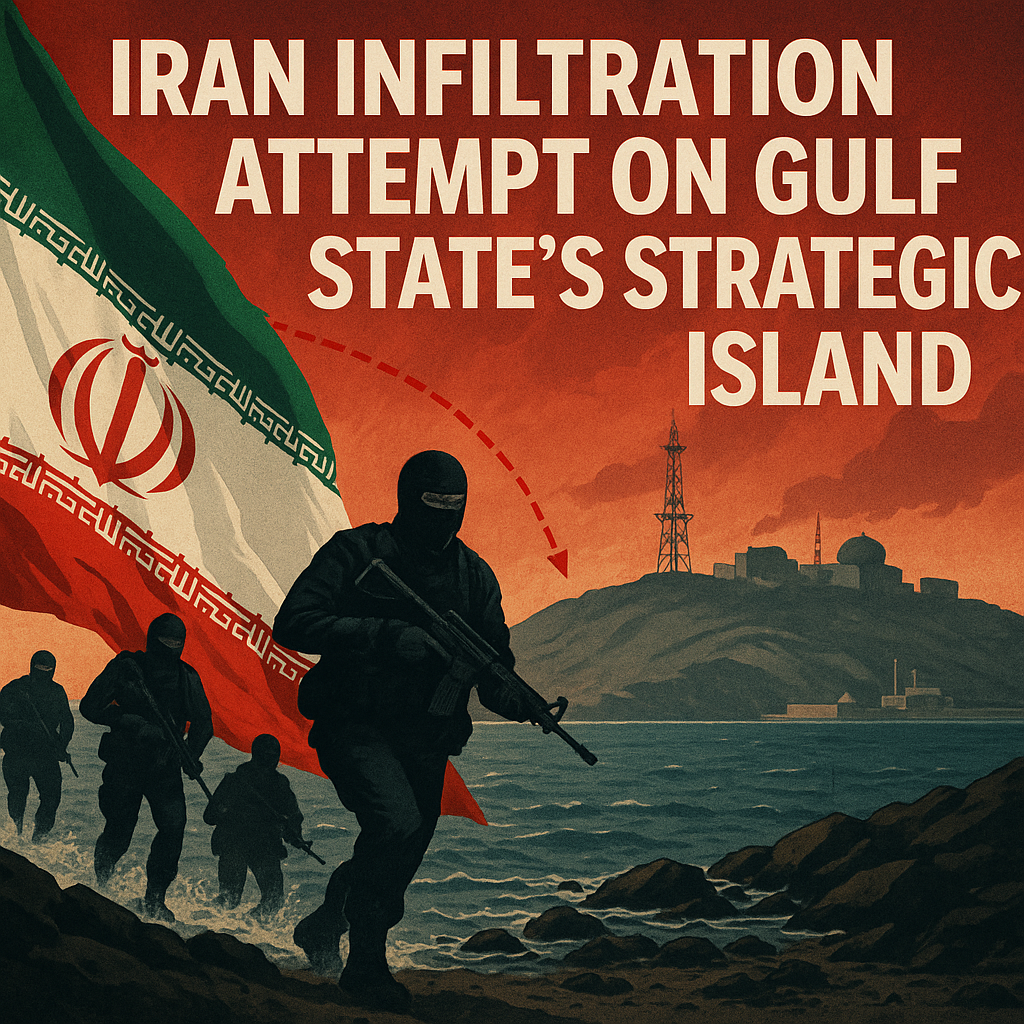
Iran Infiltration Attempt on Gulf State’s Strategic Island

Iran Infiltration Attempt on Gulf State’s Strategic Island: Context and Implications
An alleged infiltration attempt by Iran on a strategic island of a Gulf state has raised significant geopolitical concerns in the region. This incident comes amid escalating tensions between Iran and several Gulf countries, particularly with regard to territorial sovereignty and security interests. The complexities surrounding this event highlight not only the precarious balance of power in the Gulf but also the broader implications for international relations in the area.

The Incident: A Closer Look
Reports suggest that Iranian operatives aimed to infiltrate a strategically important island in Kuwait, a move that has been squarely condemned by local authorities. The island in question serves crucial economic and military functions, making it a pivotal point of interest not just for Kuwait but for regional stability as well. Officials emphasized that any such infiltration attempts jeopardize national security and sovereignty.


According to sources, Kuwait’s Ministry of Interior revealed that the apprehended Iranian nationals were allegedly part of a coordinated effort to infiltrate its borders. This incident arrived shortly after Kuwait had expressed heightened vigilance concerning potential external threats, underscoring the already tense security landscape in the Gulf.


Geopolitical Tensions: Iran’s Strategic Maneuvering
The motivations behind Iran’s alleged infiltration attempt can be interpreted through various lenses. Some analysts argue that Iran is attempting to assert its influence in the Gulf, a region where it faces considerable opposition from Sunni-majority nations like Saudi Arabia and the UAE. Historically, Tehran has been accused of supporting proxy groups and clandestine operations to expand its strategic reach.
Conversely, some experts caution against jumping to conclusions about Iran’s intentions. Given the complex nature of Middle Eastern geopolitics, it is equally plausible that this incident was a misinterpretation or miscalculation. Notably, regional observers point out that Iran has been under considerable pressure from Western nations, leading to a potential overemphasis on defensive strategies that may inadvertently spark aggressive assessments by neighboring states.
The Broader Implications: Regional Security Dynamics
Escalation of Tensions
The situation also poses risks for broader regional stability. As countries in the Gulf grapple with the ramifications of this incident, they may feel compelled to bolster their military readiness or seek alliances to counter Iranian influence. The geopolitical landscape is already sensitive, and an aggressive response could ignite further hostilities.
Local leaders fear that heightened military mobilization could result in an arms race in a region already fraught with tension. Reports from various sources suggest that nations like Saudi Arabia and the UAE might increase their defense cooperation with Western allies in response to perceived threats from Iran.
Diverging Perspectives on Iran’s Role
Simultaneously, contrasting narratives are emerging concerning Iran’s actual calculated risks versus its perceived aggressions. While some analysts argue Tehran is acting out of desperation as it contends with crippling economic sanctions, others assert that the Islamic Republic’s moves are part of a conscious strategy to maintain its regional power amidst external pressures.
This complexity calls for a nuanced understanding that takes into account both local dynamics and international influences. For instance, a deep dive into Al Jazeera’s coverage reveals an emphasis on Iran’s economic hardships and the necessity for diplomacy in mitigating conflicts, portraying a last-resort approach rather than calculated aggression.
Conclusion: The Road Ahead
The alleged infiltration attempt is more than just a standalone incident; it represents a microcosm of the larger strategic competitions in the Gulf region. It underscores the intricate dance of military and diplomatic maneuvers that characterize Middle Eastern geopolitics. As tensions mount, both sides—Kuwait and Iran—face a crucial juncture that could either catalyze cooperation for regional stability or deepen animosities that risk broader conflict.
In this uncertain milieu, it remains essential for analysts and policymakers to approach the situation with an understanding of its multifaceted nature. The Gulf states may need to recalibrate their security strategies while exploring avenues for dialogue, as sustained escalation could have deeply destabilizing effects on an already fragile geopolitical landscape.















