
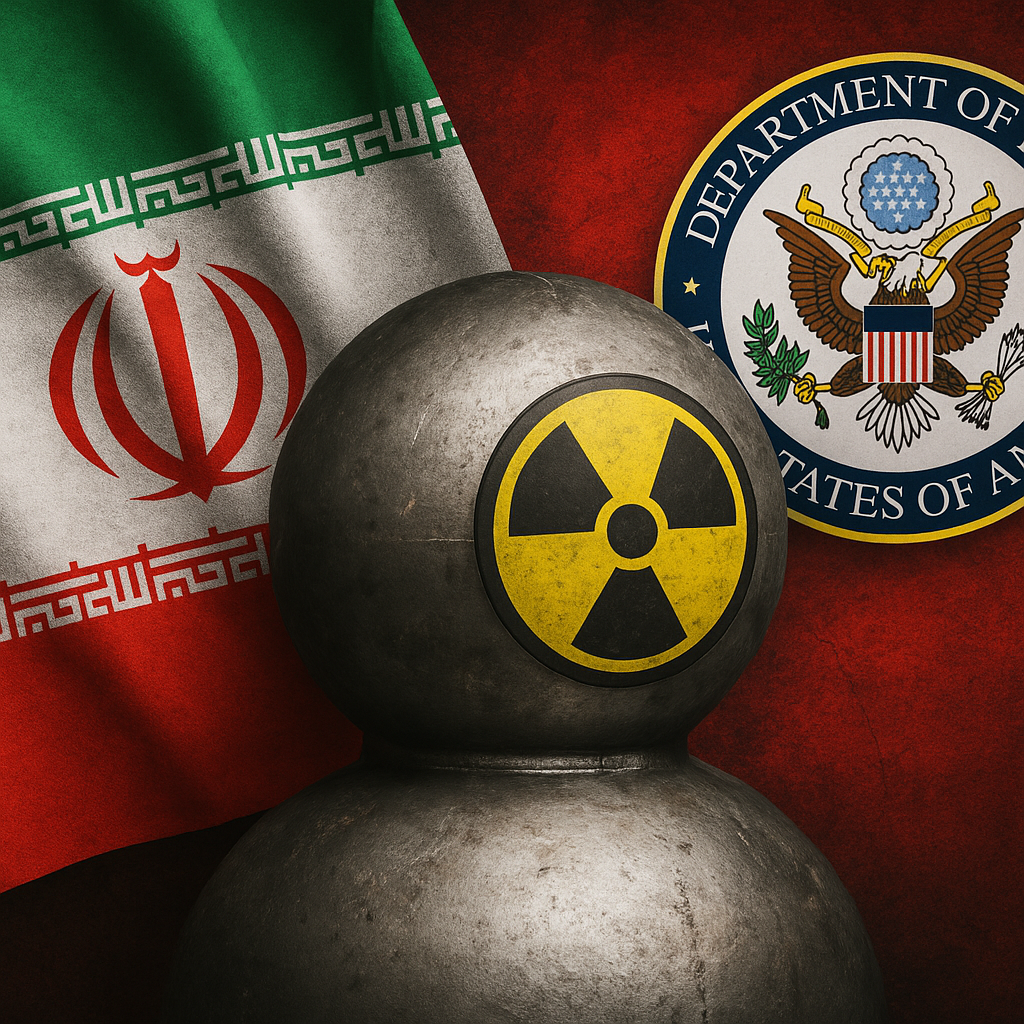
Iran’s Nuclear Pursuit: State Department’s Ongoing Warnings

Iran’s Nuclear Pursuit: State Department’s Ongoing Warnings
Recent reports have highlighted growing concerns regarding Iran’s relentless pursuit of nuclear capabilities. The U.S. State Department has consistently issued warnings, prompting a complex international dialogue on the implications of Iran’s actions. Understanding this intricate situation requires examining various perspectives, from diplomatic efforts to regional security considerations.

The State Department’s Concerns
The U.S. State Department has repeatedly asserted that Iran is not only continuing its nuclear program but also enhancing its capability to develop a nuclear weapon. A recent article from Al Jazeera emphasized that officials believe Iran’s advancements could allow them to produce sufficient fissile material for a nuclear bomb within mere weeks. This alarming timeline raises significant fears among U.S. and allied policymakers.


In light of these developments, the State Department has called for renewed diplomatic engagement and for nations to remain vigilant. Officials underscore the need for unity among Western and Middle Eastern nations, advocating for a strong stance against Iran’s nuclear ambitions. The core message is clear: diplomatic solutions remain the preferred pathway to prevent further escalation, even as military options loom in the background.


International Perspectives and Reactions
The international response to Iran’s nuclear pursuits is far from uniform. While Western nations, particularly the U.S., have adopted a wary stance, there are nuanced differences in how various stakeholders perceive the threat.
Divergent Views in the Region
For instance, some Middle Eastern countries, especially Israel, express acute concerns about Iran’s nuclear aspirations. Israeli officials have voiced strong opposition, arguing that even a threshold nuclear capability by Iran poses an existential threat. An article from RT elaborates on the support Israel has received, both militarily and diplomatically, from its allies, reflecting a commitment to countering what they view as an aggressive Iranian stance.
Conversely, other regional players, such as those in the Gulf Cooperation Council (GCC), exhibit a more mixed response. While these nations share apprehension about Iran’s activities, they are also keenly aware of their geopolitical dependencies on relations with Iran and Western countries. This reality complicates the potential for a cohesive regional response, as countries balance their security needs against diplomatic relations.
The Complexity of Negotiations
Negotiations regarding Iran’s nuclear program have flickered in and out over the years, with the Joint Comprehensive Plan of Action (JCPOA) serving as a pivotal moment in these discussions. The U.S. withdrawal from the JCPOA in 2018 has been widely criticized, with experts arguing that it led to increased tensions and reversed the limited progress made towards curbing Iran’s nuclear developments. Al Jazeera’s reporting highlights this point, noting how the agreement was intended to impose significant restrictions and monitoring on Iran’s nuclear activities.
In the context of renewed negotiations, stakeholders are wary but cautiously optimistic. With the U.S. signaling a willingness to return to the bargaining table, some analysts suggest that this could lead to a re-engagement that would seek to both restore the JCPOA and enhance its terms to better address the current complexities of Iran’s capabilities.
The Path Ahead
As the situation evolves, the question remains: what is the most effective way to manage Iran’s nuclear pursuits? Some experts suggest a multifaceted approach that includes not just sanctions and military readiness but also economic incentives for Iran to comply with international expectations. The underlying belief is that true progress will require an understanding of Iran’s regional ambitions and a willingness to address them.
Despite diplomatic hopes, uncertainties loom large. The State Department’s warnings reflect an urgent reality, but opinions on the most effective responses vary widely. Finding common ground among allies, while also understanding the unique perspectives of regional stakeholders, is paramount in charting a coherent path forward.
Conclusion
Iran’s nuclear pursuits present a labyrinth of challenges for global diplomacy and national security. The State Department’s ongoing warnings underline the seriousness of the situation and the need for a robust international dialogue. As diverse viewpoints continue to shape the narrative, only through collaborative efforts can the potential for effective resolutions be realized. Ongoing engagement, careful negotiation, and a commitment to understanding the broader regional dynamics will be crucial as the world grapples with the implications of Iran’s ambitions.















