
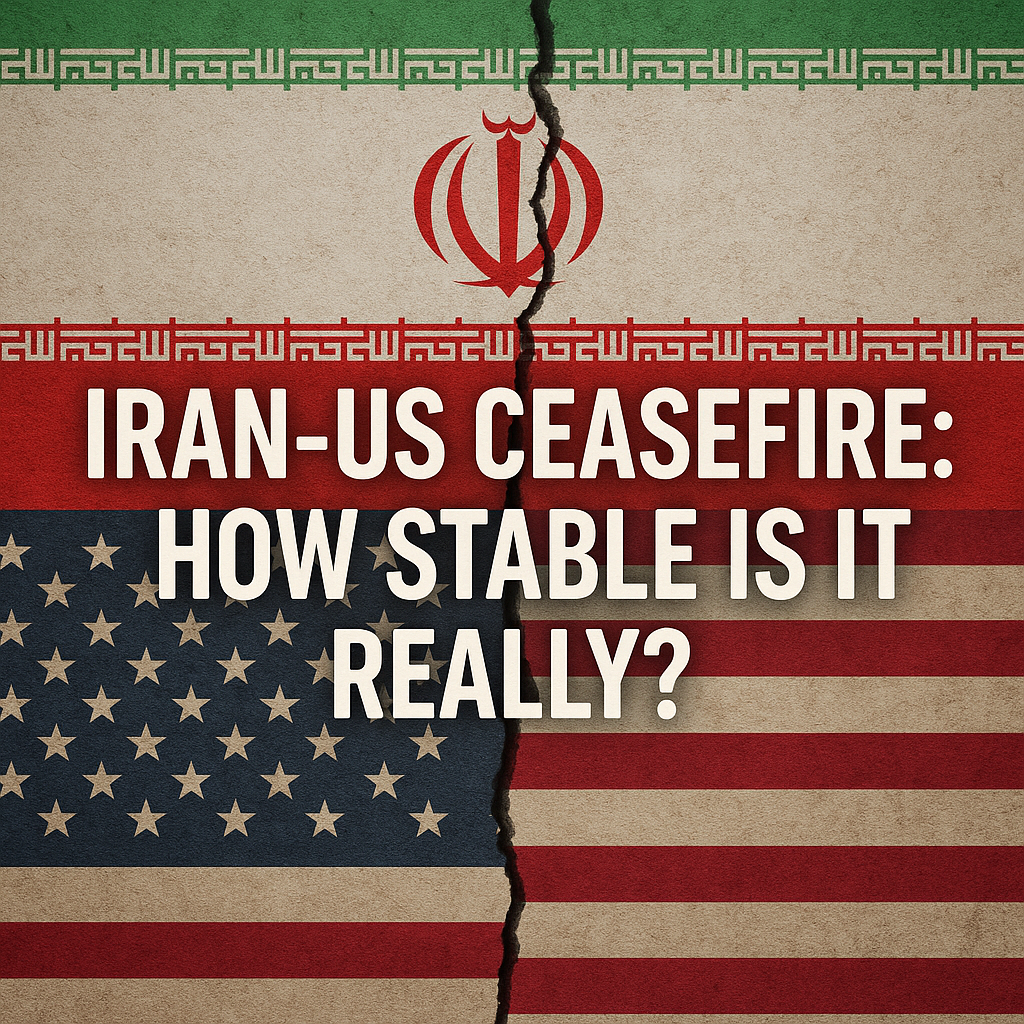
Iran-US Ceasefire: How Stable is It Really?

Iran-US Ceasefire: How Stable is It Really?
The recent ceasefire agreement between Iran and the United States has sparked a complex discussion about its durability and the potential for ongoing tensions in the region. As both nations attempt to de-escalate hostilities, the question arises: how stable is this ceasefire really?

An Uneasy Truce
In the backdrop of a historically fraught relationship, the current ceasefire comes amid a cascade of diplomatic efforts aimed at safeguarding interests on both sides. Insights from Al Jazeera highlight that this truce, while a beacon of hope, could be perceived as a “shaky” arrangement. The presence of ongoing political rivalries and external pressures indicates that the ceasefire may not be built on a solid foundation.


Fragmented Views on Stability
Examining opinions from various news sources underscores the multifaceted nature of this ceasefire. Reports from Sky News emphasize the cautious optimism felt by some analysts, pointing to the potential for positive diplomatic talks if both parties adhere to the terms of the agreement. However, there’s a significant concern voiced by RT News, noting that past experiences have shown similar agreements to be fragile. Tensions often resurface, fueled by external influences such as regional allies, sanctions, or shifting political landscapes.


Factors Contributing to Uncertainty
Several factors could disrupt the fragile peace that the ceasefire aims to establish:
– Political Dissonance: Historical grievances run deep between Iran and the U.S., and any domestic political pressures in either country may prompt a reevaluation of commitments. For instance, Iran’s government faces internal dissent that might influence its foreign policy.
– External Influences: The involvement of third-party nations with vested interests in the region complicates the landscape even further. As per insights from Al Jazeera, allies of the U.S. in the region are likely to remain skeptical of Iran, complicating any concerted peace efforts.
– Economic Sanctions: The economic sanctions imposed on Iran have created substantial hardships. The U.S. administration’s maneuvering on sanction policies can sway Iran’s compliance with the ceasefire.
Looking Ahead: Possibilities and Pitfalls
While the future remains unpredictable, experts note that the dynamics surrounding the ceasefire could lead to either a reestablishment of diplomatic channels or a return to hostility. The growing sentiment from various reports indicates a shared anxiety about the sustainability of this peace agreement. Analysts stress that for the ceasefire to hold, both nations need to engage in continuous dialogue and build trust.
The Role of Public Sentiment
Public opinion will also play a critical role in shaping the future of the ceasefire. Iranian citizens have expressed frustration over economic struggles exacerbated by sanctions, which could pressure the government to realign its stance. Likewise, U.S. sentiment, particularly in the context of mid-term elections, could influence how political leaders approach the negotiations.
Reports from RT emphasize that without a concerted effort to bridge these gaps, the prospects for a stable peace appear dim. Diplomacy must extend beyond the confines of official negotiations to include cultural exchanges, economic ties, and mutual understanding.
Conclusion: A Cautious Path Forward
The fragile ceasefire between Iran and the U.S. highlights the intricate web of historical grievances, political pressures, and external influences that will dictate its future. While some points of optimism suggest that it could lead to more substantial diplomatic engagement, significant hurdles remain. The question of stability is not easily answered, as both nations navigate a terrain marred by mistrust.
As observers watch closely, it is clear that the success of this ceasefire will depend on the commitment from both sides to prioritize dialogue over hostility. Whether this truce is merely a pause in ongoing conflict or a genuine step towards a peaceful resolution remains to be seen, underscoring the need for vigilance and engagement from all parties involved.















