Iranian Civilians Learn Essential Defense Training Skills

Iranian Civilians Learn Essential Defense Training Skills
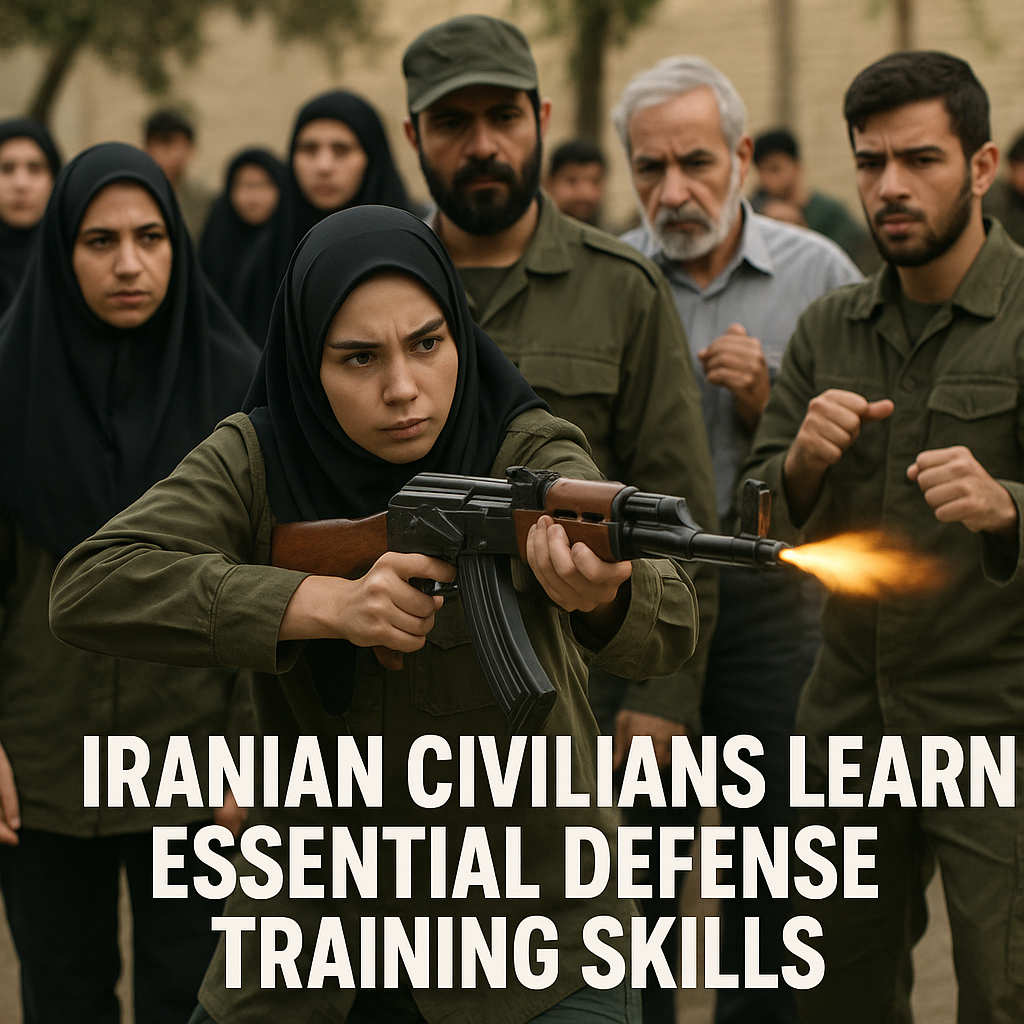
In a rapidly changing geopolitical landscape, Iranian civilians are increasingly engaging in defense training, acquiring vital skills that prepare them for various scenarios. This development has raised essential questions about the implications of such training on national security and civil society.

The Context of Civil Defense Training
In recent reports, particularly from Al Jazeera and RT News, it’s clear that defense training among civilians has become a systematic approach to preparing for potential threats. As tensions rise regarding Iran’s military posture and international relations, particularly with Western nations, the government has launched initiatives to train civilians in self-defense and emergency response.


The intent behind these programs varies. Some officials express a straightforward objective: to increase public preparedness in the event of an external threat or conflict. A report from Al Jazeera notes that civilians participating in these trainings are often taught not just basic self-defense but also how to respond to aerial attacks, including the use of drones, which have become a focal point in modern warfare.


Moreover, the participation of women in these training programs is notable. Traditionally, defense and military roles in Iran have been male-dominated. However, women’s involvement marks a significant cultural shift, as more females join efforts to strengthen community resilience. This not only challenges stereotypes but also empowers women within their communities.
Diverse Perspectives on the Training Programs
Responses to these civilian defense initiatives reveal a complex landscape of opinions. On the one hand, proponents argue that these programs are necessary for enhancing national security and fostering a proactive citizenry. Citizens are encouraged to partake in emergency response simulations, learn first aid, and develop negotiation and conflict resolution skills—a holistic approach that communities leaders support.
Conversely, critics question the motivations behind these programs, suggesting they may serve as tools for political propaganda rather than genuine efforts to improve public safety. A report from Sky News highlights concerns regarding the government’s potential to use these trainings to bolster internal control, suggesting that by fostering a defense culture, the regime could cement its power amidst rising dissatisfaction among the populace.
There also lies a fundamental tension between government-sponsored initiatives and the civil liberties of individuals. Some analysts warn that extensive civilian training might lead to a normalization of militarization in everyday life, raising fears of increased surveillance and control over dissenting voices.
The Role of Technology and Social Media
The intersection of technology with these defense initiatives is another critical angle worth exploring. The proliferation of drones and social media has transformed traditional notions of defense and community engagement. In Iran, the accessibility of information and training videos online empowers civilians to learn tactics independently, fostering a culture of self-defense that transcends formal state-sanctioned programs.
Additionally, the Iranian government is increasingly utilizing digital platforms to disseminate its narrative around these initiatives. Citizens engaging with social media platforms can amplify stories related to their training experiences, building a community around the shared goal of national defense. However, this also creates an environment of tension, as narratives can be manipulated to curate specific messages that align with governmental agendas while sidelining dissent.
Conclusion: A Path Forward for Iranian Communities
As Iranian civilians take on the mantle of defense training, the implications stretch far beyond the battlefield. This shift indicates a growing collective consciousness toward civic engagement during uncertain times. Nonetheless, the complexity of motivations behind these initiatives surfaces key debates regarding societal empowerment versus authoritarian control.
It remains to be seen how these developments will shape Iranian society in the long run. Hoping to strike a balance between preparedness and the preservation of civil liberties might be the most formidable challenge facing both citizens and their government. As this complex scenario unfolds, it is vital for various stakeholders to engage in open dialogues, ensuring that the emphasis remains not only on defense but also on the fundamental rights and freedoms of individuals in Iran.