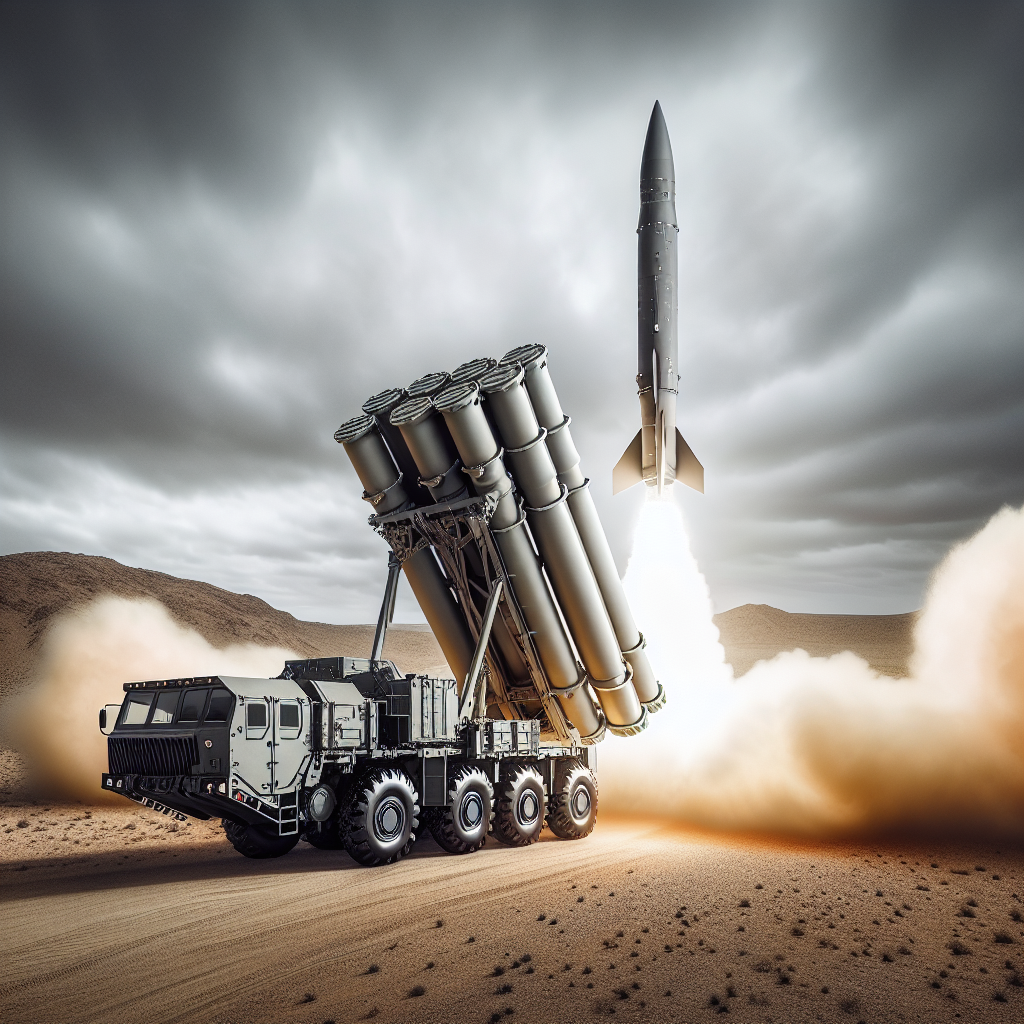
Israel Deploys THAAD System to Intercept Houthi Missile for the First Time

Israel Deploys THAAD System to Intercept Houthi Missile for the First Time
Introduction
In a significant military development, Israel has successfully deployed the Terminal High Altitude Area Defense (THAAD) system to intercept a missile launched by the Houthi rebels. This marks the first time Israel has utilized the advanced defense system, highlighting its strategic capabilities in missile defense.

Key Highlights
- THAAD Deployment: The deployment of the THAAD system represents a strategic move by Israel to enhance its missile defense capabilities against regional threats.
- Houthi Missile Threat: The interception was in response to a missile launched by the Houthi rebels, a group known for its missile attacks in the region.
- Technological Advancement: THAAD is renowned for its ability to intercept short, medium, and intermediate-range ballistic missiles at high altitudes, providing a robust defense mechanism.
- Regional Security Implications: This deployment underscores the growing missile threat in the Middle East and the need for advanced defense systems to protect national security.
Strategic Implications
The successful interception by the THAAD system not only demonstrates Israel’s advanced military capabilities but also sends a strong message to potential adversaries about its readiness to counter missile threats. This move could potentially alter the strategic balance in the region, prompting other nations to reassess their defense strategies.


Conclusion
Israel’s deployment of the THAAD system to intercept a Houthi missile for the first time is a landmark event in regional defense dynamics. It highlights the increasing missile threats in the Middle East and the critical role of advanced defense technologies in ensuring national security. As tensions continue to simmer, this development underscores the importance of strategic military preparedness.