
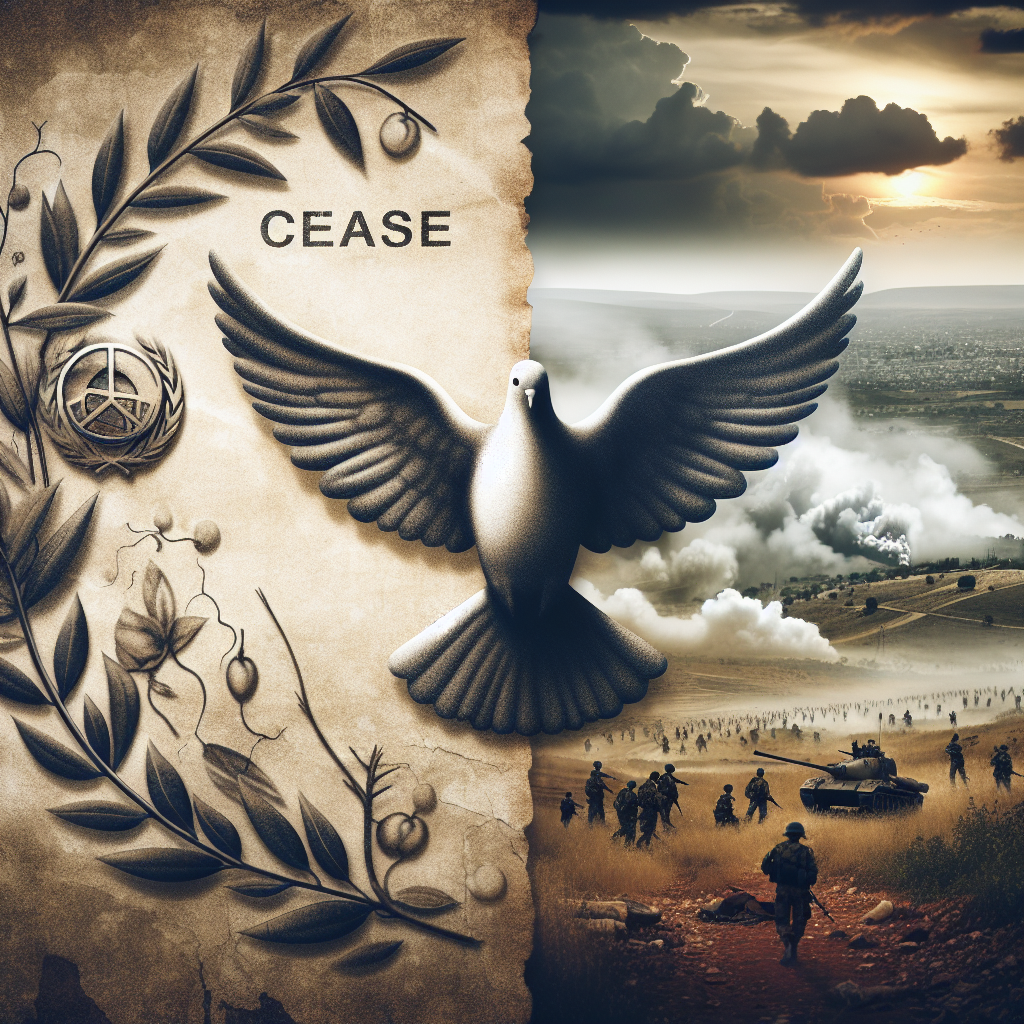
Israel’s Actions in Southern Lebanon Questioned Despite Ceasefire

Israel’s Actions in Southern Lebanon Questioned Despite Ceasefire
Background
Despite a ceasefire agreement, Israel’s military activities in Southern Lebanon have come under scrutiny. The region, historically a flashpoint for conflict, remains tense as international observers and local authorities question the necessity and impact of these actions.

Key Concerns
- Ceasefire Violations: Allegations have surfaced that Israel’s operations may contravene the terms of the ceasefire, raising concerns about the stability of the agreement.
- Humanitarian Impact: The local population faces disruptions, with reports of displacement and restricted access to essential services.
- International Response: Global entities, including the United Nations, are closely monitoring the situation, urging restraint and adherence to international law.
Reactions and Implications
The actions have sparked a range of reactions from various stakeholders:
Ads


- Lebanese Government: Officials have condemned the operations, calling for international intervention to uphold the ceasefire.
- Israeli Defense Forces (IDF): The IDF maintains that their actions are defensive, aimed at neutralizing threats from militant groups in the area.
- International Community: There is a growing call for diplomatic solutions to prevent further escalation and ensure regional stability.
Conclusion
The situation in Southern Lebanon remains precarious as Israel’s military actions are questioned amidst a fragile ceasefire. The international community’s role in mediating and ensuring compliance with peace agreements is crucial to preventing further conflict and safeguarding humanitarian interests.
Ads

Ads

Ads

Ads

Ads

Ads

Ads

Ads

Ads

Ads

Ads

Ads

Ads





