
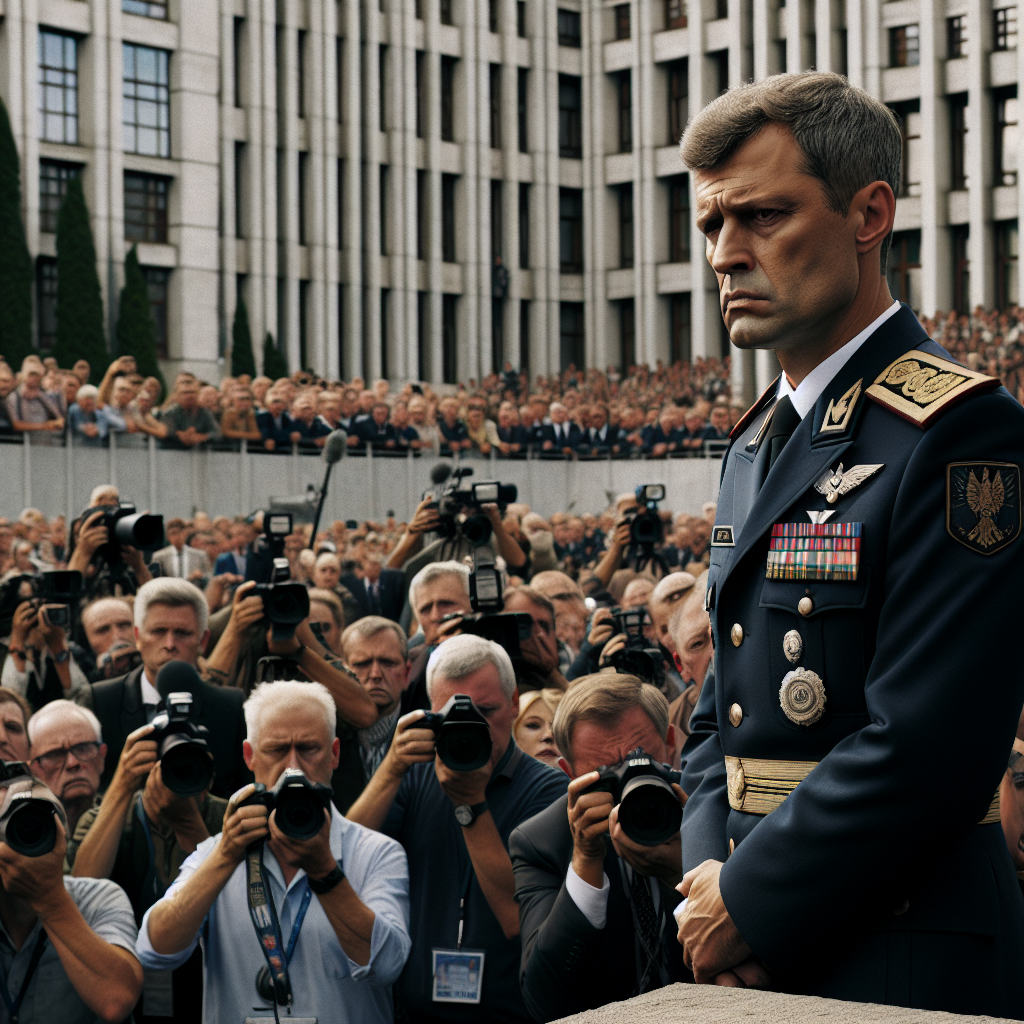
Israel’s Chief of Staff Steps Down Amid Criticism of October 7 Attack Response

Israel’s Chief of Staff Steps Down Amid Criticism of October 7 Attack Response
Background
In a significant development within Israel’s military leadership, the Chief of Staff has resigned following widespread criticism over the handling of the October 7 attack. This decision comes amid intense scrutiny and public outcry regarding the military’s preparedness and response to the incident.

Key Issues Leading to Resignation
- Delayed Response: The military’s delayed reaction to the attack has been a focal point of criticism, raising questions about operational readiness.
- Communication Breakdowns: Ineffective communication during the crisis exacerbated the situation, leading to confusion and inefficiencies.
- Public and Political Pressure: Mounting pressure from both the public and political figures has intensified calls for accountability and leadership changes.
Implications for Israel’s Military
The resignation of the Chief of Staff is expected to have significant implications for Israel’s military operations and strategic planning. It highlights the need for:


- Reevaluation of Security Protocols: A thorough review and overhaul of existing security measures to prevent future lapses.
- Leadership Restructuring: Potential changes in military leadership to restore public confidence and ensure effective crisis management.
- Enhanced Training Programs: Implementation of comprehensive training programs to improve readiness and response capabilities.
Conclusion
The resignation of Israel’s Chief of Staff underscores the critical need for reform within the military’s operational and leadership structures. As the nation grapples with the aftermath of the October 7 attack, this leadership change serves as a pivotal moment for reassessing and strengthening Israel’s defense strategies to better safeguard its citizens in the future.

















