
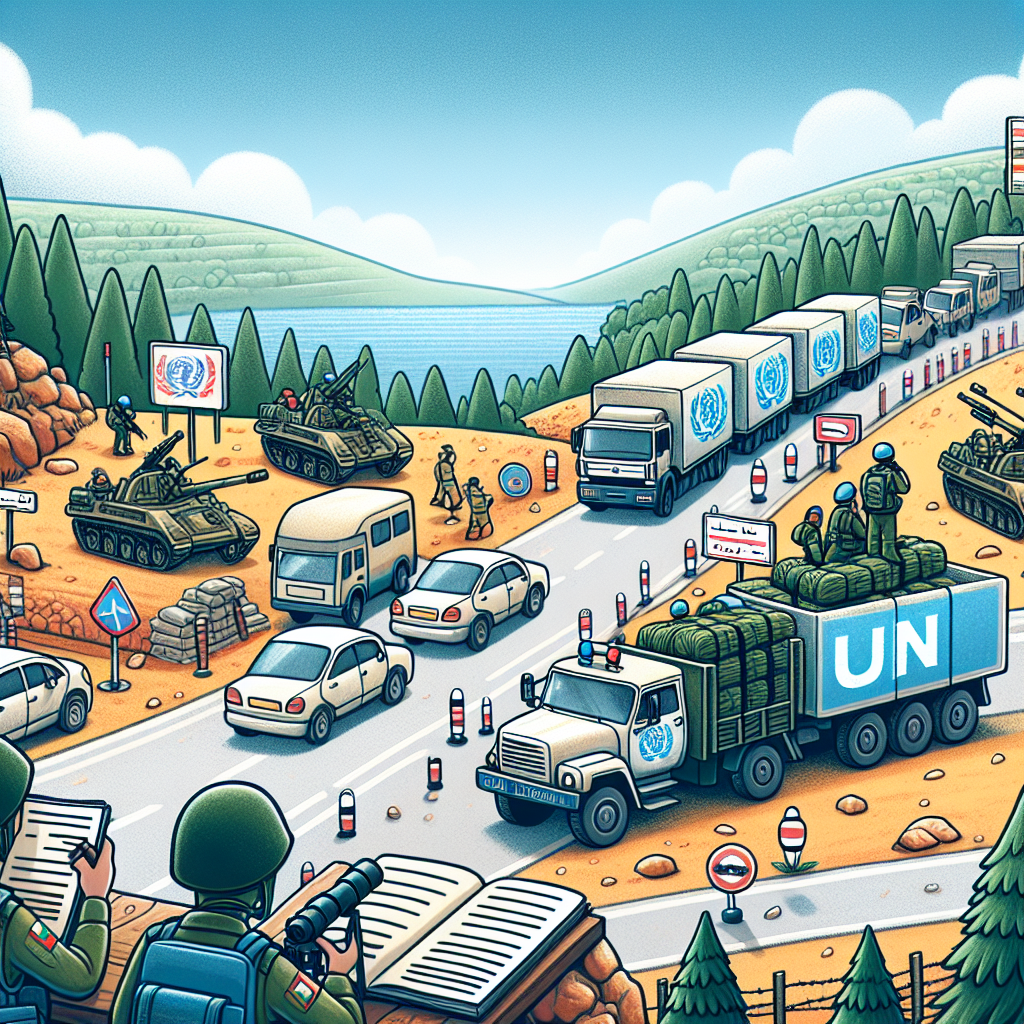
Israel’s Partial Withdrawal from Lebanon: Key Insights

Israel’s Partial Withdrawal from Lebanon: Key Insights
Background and Context
Israel’s partial withdrawal from Lebanon marks a significant shift in the region’s geopolitical landscape. This move comes after years of military presence in southern Lebanon, which has been a point of contention and conflict. The decision is seen as a strategic recalibration in response to evolving regional dynamics and international pressures.

Reasons Behind the Withdrawal
- Strategic Reassessment: Israel aims to reduce its military footprint in Lebanon while maintaining security along its northern border.
- International Pressure: Global calls for de-escalation and peace have influenced Israel’s decision to partially withdraw.
- Domestic Considerations: Public opinion in Israel has increasingly favored reducing military engagements abroad.
Implications for Regional Stability
The partial withdrawal has several potential implications for the region:


- Security Concerns: There are concerns about a power vacuum that could be exploited by militant groups.
- Diplomatic Opportunities: The move could open avenues for renewed diplomatic efforts and peace talks.
- Impact on Hezbollah: The withdrawal may alter Hezbollah’s strategic calculations and influence in Lebanon.
International Reactions
The international community has responded with cautious optimism:


- United Nations: The UN has welcomed the move as a step towards peace and stability in the region.
- Neighboring Countries: Reactions from neighboring countries vary, with some expressing support and others voicing concerns over security implications.
- Global Powers: Major global powers have urged continued dialogue and cooperation to ensure lasting peace.
Conclusion
Israel’s partial withdrawal from Lebanon is a pivotal development with far-reaching consequences. While it presents opportunities for peace and stability, it also poses challenges that require careful navigation. The international community’s role in supporting constructive dialogue and ensuring security will be crucial in shaping the future of the region.















