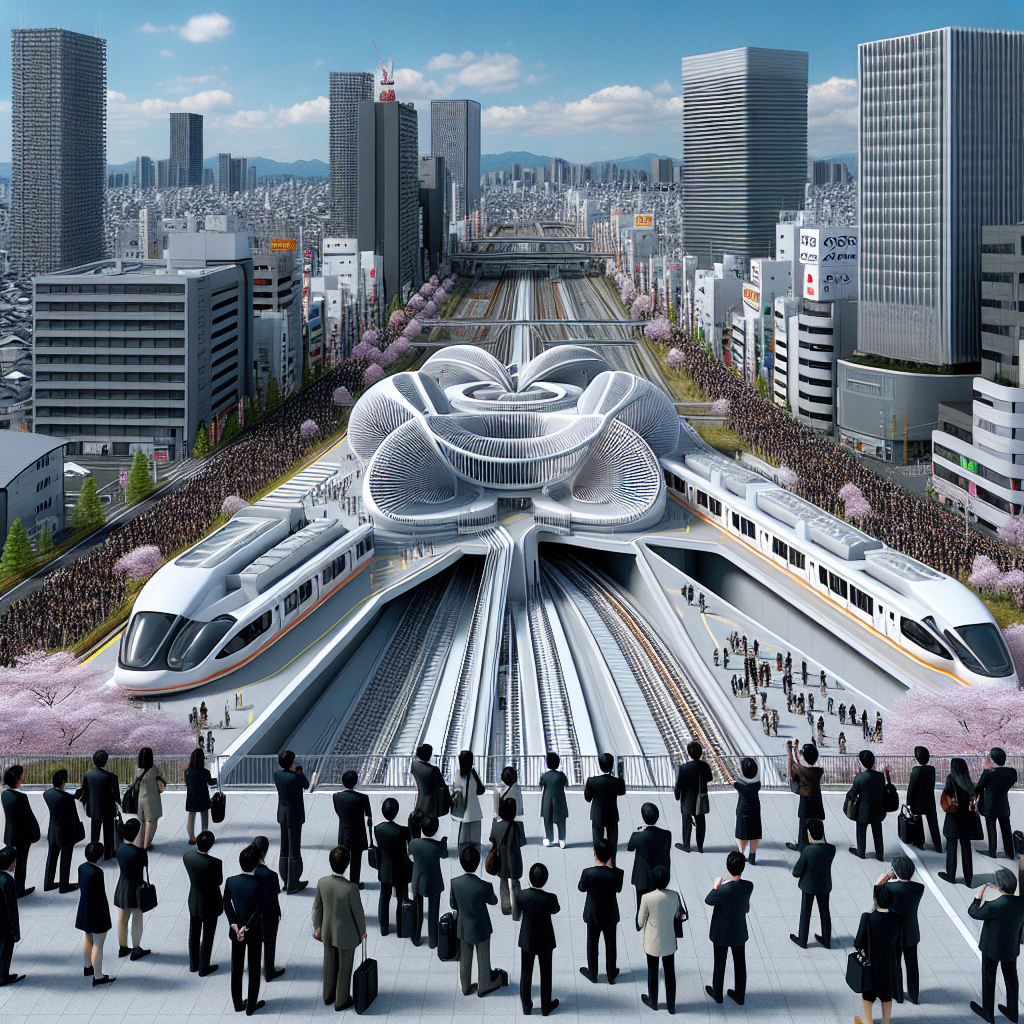
Japan Unveils World’s First 3D-Printed Railway Station Constructed in Just 6 Hours

Japan Unveils World’s First 3D-Printed Railway Station
Revolutionizing Construction with 3D Printing
In a groundbreaking achievement, Japan has introduced the world’s first 3D-printed railway station, constructed in a mere six hours. This innovative project marks a significant milestone in the construction industry, showcasing the potential of 3D printing technology in large-scale infrastructure development.

Key Features of the 3D-Printed Station
- Speed and Efficiency: The entire construction process was completed in just six hours, demonstrating unprecedented efficiency.
- Cost-Effectiveness: Utilizing 3D printing technology significantly reduced labor and material costs.
- Environmental Impact: The method minimizes waste, making it a more sustainable option compared to traditional construction techniques.
- Design Flexibility: The technology allows for intricate and customizable designs, enhancing aesthetic appeal and functionality.
Implications for the Future of Construction
This pioneering project sets a new standard for the construction industry, highlighting the potential for rapid, cost-effective, and sustainable building solutions. The success of the 3D-printed railway station could pave the way for broader adoption of this technology in various infrastructure projects worldwide.


Conclusion
Japan’s unveiling of the world’s first 3D-printed railway station is a testament to the transformative power of technology in construction. By achieving rapid construction with reduced costs and environmental impact, this project not only showcases the capabilities of 3D printing but also sets a precedent for future infrastructure development.