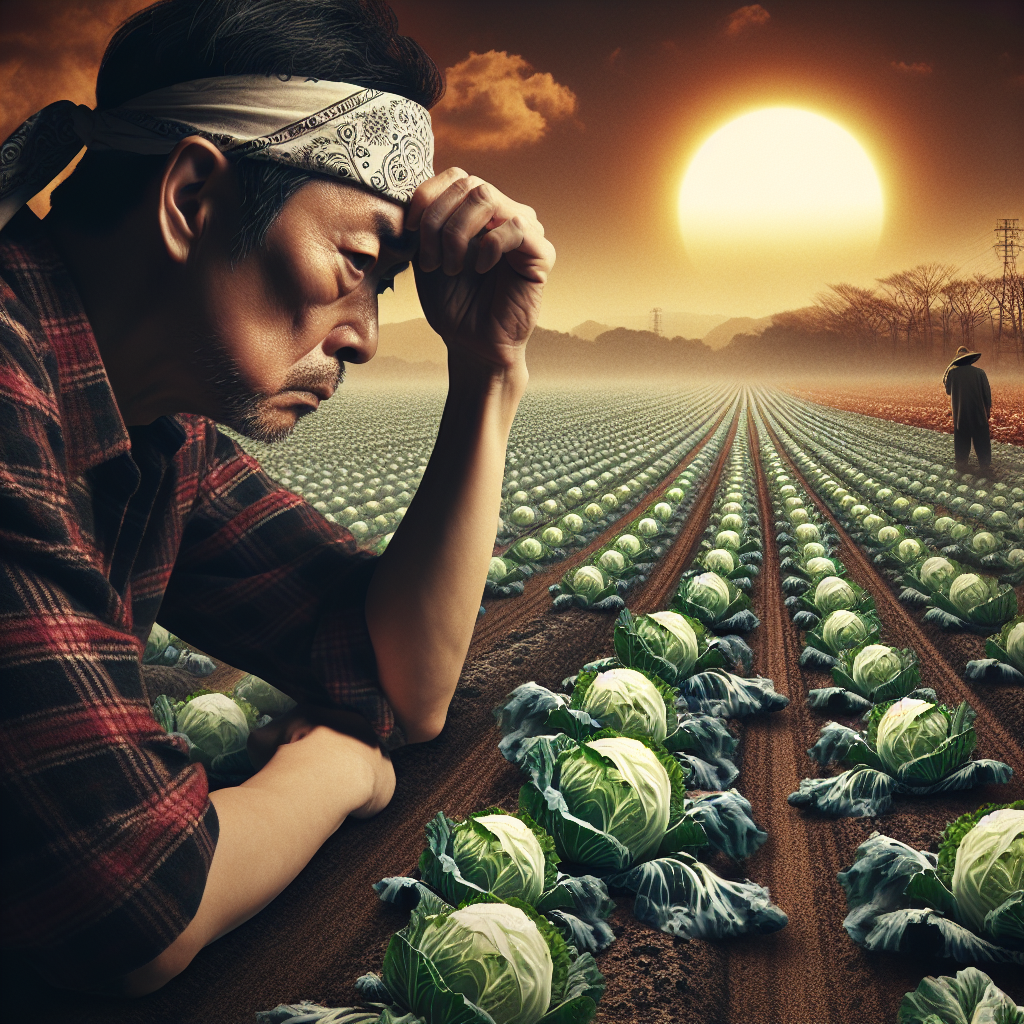
Japanese Agriculture Faces ‘Cabbage Shock’ Amid Climate Change

Japanese Agriculture Faces ‘Cabbage Shock’ Amid Climate Change
Introduction
Japan’s agricultural sector is grappling with a phenomenon dubbed “Cabbage Shock,” a direct consequence of climate change. This unexpected challenge is impacting both farmers and consumers, highlighting the broader implications of environmental shifts on food production.

Impact on Cabbage Production
Unpredictable weather patterns have led to significant disruptions in cabbage cultivation, a staple in Japanese cuisine. The effects are multifaceted, affecting both the quantity and quality of the produce.


- Increased temperatures and erratic rainfall have altered growing conditions.
- Farmers are experiencing reduced yields and inconsistent crop quality.
- These changes are leading to fluctuations in market prices, affecting consumer access.
Broader Implications for Agriculture
The “Cabbage Shock” is a microcosm of the larger challenges facing Japanese agriculture due to climate change. The sector must adapt to ensure sustainability and food security.


- Other crops are also at risk, necessitating adaptive farming techniques.
- There is a growing need for research into climate-resilient crop varieties.
- Policy interventions may be required to support farmers in transition.
Consumer Impact and Response
Consumers are feeling the effects of “Cabbage Shock” through increased prices and reduced availability of this essential vegetable. This situation is prompting a reevaluation of dietary habits and sourcing strategies.
- Price hikes are affecting household budgets, especially for low-income families.
- There is a rising interest in alternative vegetables and local produce.
- Public awareness campaigns are emphasizing the importance of sustainable consumption.
Conclusion
The “Cabbage Shock” serves as a stark reminder of the vulnerabilities within Japan’s agricultural system in the face of climate change. Addressing these challenges requires a concerted effort from farmers, policymakers, and consumers alike to ensure a resilient and sustainable food future.