Jeffrey Goldberg: The Journalist Who Accidentally Received US War Plans

Jeffrey Goldberg: The Journalist Who Accidentally Received US War Plans
Introduction
In a surprising twist of events, renowned journalist Jeffrey Goldberg found himself at the center of a potential international incident when he inadvertently received sensitive US war plans. This unexpected occurrence has sparked discussions about journalistic responsibility, national security, and the delicate balance between transparency and confidentiality.

The Accidental Revelation
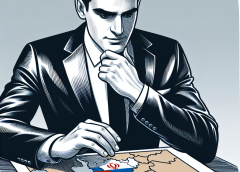
Goldberg, known for his incisive reporting and editorial leadership at The Atlantic, was unintentionally sent classified military documents outlining US strategic plans. This incident raises questions about the security protocols in place to protect sensitive information.


Key Insights
- Journalistic Integrity: Goldberg’s handling of the situation highlights the ethical dilemmas journalists face when dealing with classified information.
- National Security Concerns: The accidental leak underscores potential vulnerabilities in the communication channels used by government agencies.
- Public Interest vs. Security: The incident reignites the debate over the public’s right to know versus the need to protect national security interests.
Response and Repercussions
The US government has launched an investigation to determine how the documents were mistakenly sent to Goldberg. Meanwhile, Goldberg has refrained from publishing any details from the documents, demonstrating a commitment to responsible journalism.


Conclusion
Jeffrey Goldberg’s inadvertent receipt of US war plans serves as a stark reminder of the challenges faced by journalists in navigating the complex landscape of information security and public interest. This incident not only highlights the importance of robust security measures but also emphasizes the critical role of journalistic integrity in maintaining a balance between transparency and national security.