
Kilauea Volcano Eruption Sends Lava Skyward Over Hawaii

Kilauea Volcano Eruption Sends Lava Skyward Over Hawaii
Overview of the Eruption
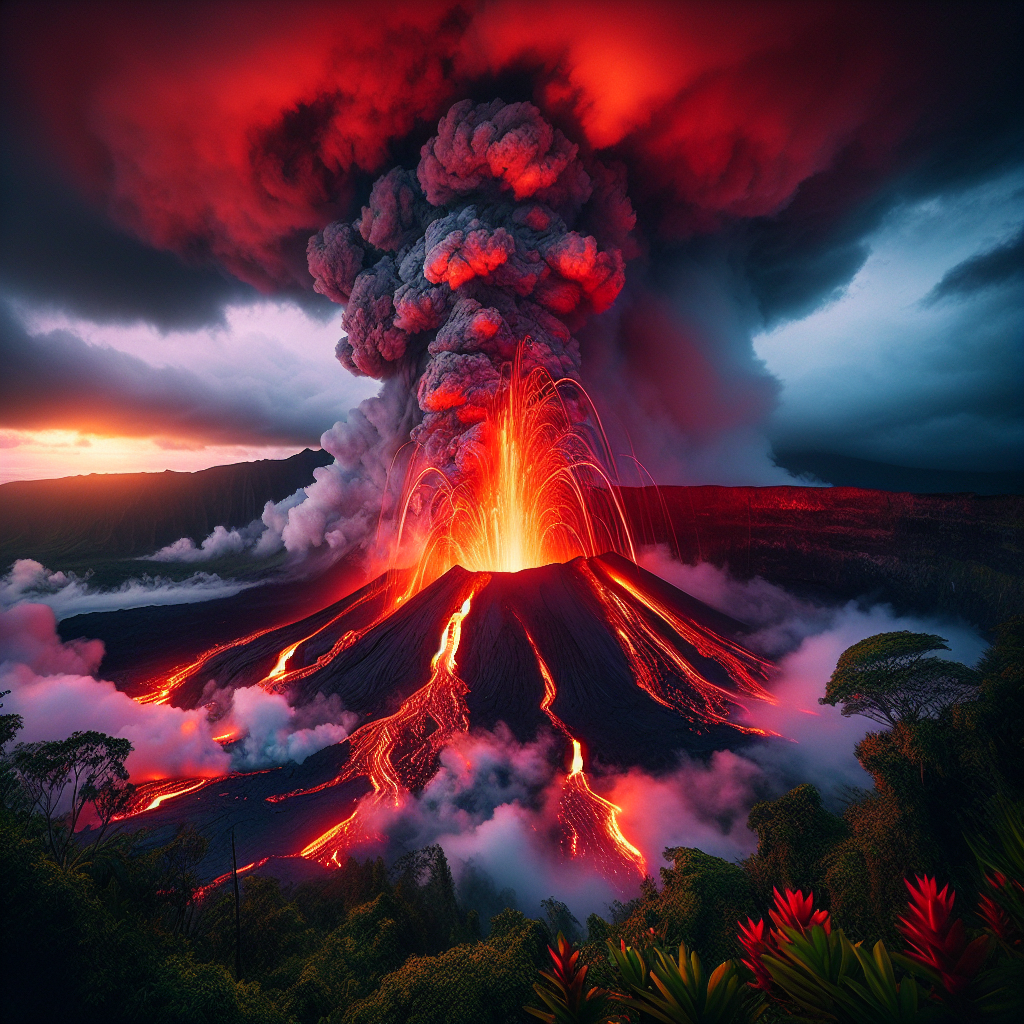
The Kilauea Volcano, one of the most active volcanoes in the world, has erupted once again, sending spectacular fountains of lava into the sky over Hawaii. This latest eruption has captured the attention of both locals and tourists, offering a dramatic display of nature’s power.

Key Highlights
- Location: The eruption is centered at the Halemaʻumaʻu crater within Hawaii Volcanoes National Park.
- Activity: Lava fountains have been observed reaching impressive heights, with molten rock flowing into the surrounding areas.
- Impact: While the eruption is visually stunning, it poses potential risks to nearby communities and infrastructure.
- Response: Authorities have issued warnings and are closely monitoring the situation to ensure public safety.
Scientific Insights
Volcanologists are closely studying the eruption to gain insights into the behavior of Kilauea. This event provides a valuable opportunity to understand the dynamics of volcanic activity and improve predictive models for future eruptions.


Public Safety Measures
Local authorities have implemented several safety measures to protect residents and visitors:


- Evacuation orders for areas at risk of lava flow.
- Closure of certain park areas to prevent accidents.
- Continuous air quality monitoring due to volcanic gases.
Tourism and Economic Impact
The eruption has drawn tourists eager to witness the natural spectacle, providing a boost to the local economy. However, it also necessitates careful management to balance safety with tourism interests.
Conclusion
The eruption of Kilauea Volcano is a powerful reminder of the dynamic forces shaping our planet. While it presents challenges, it also offers a unique opportunity for scientific study and public engagement with the natural world. Authorities remain vigilant to ensure safety while allowing people to experience this awe-inspiring event.













