
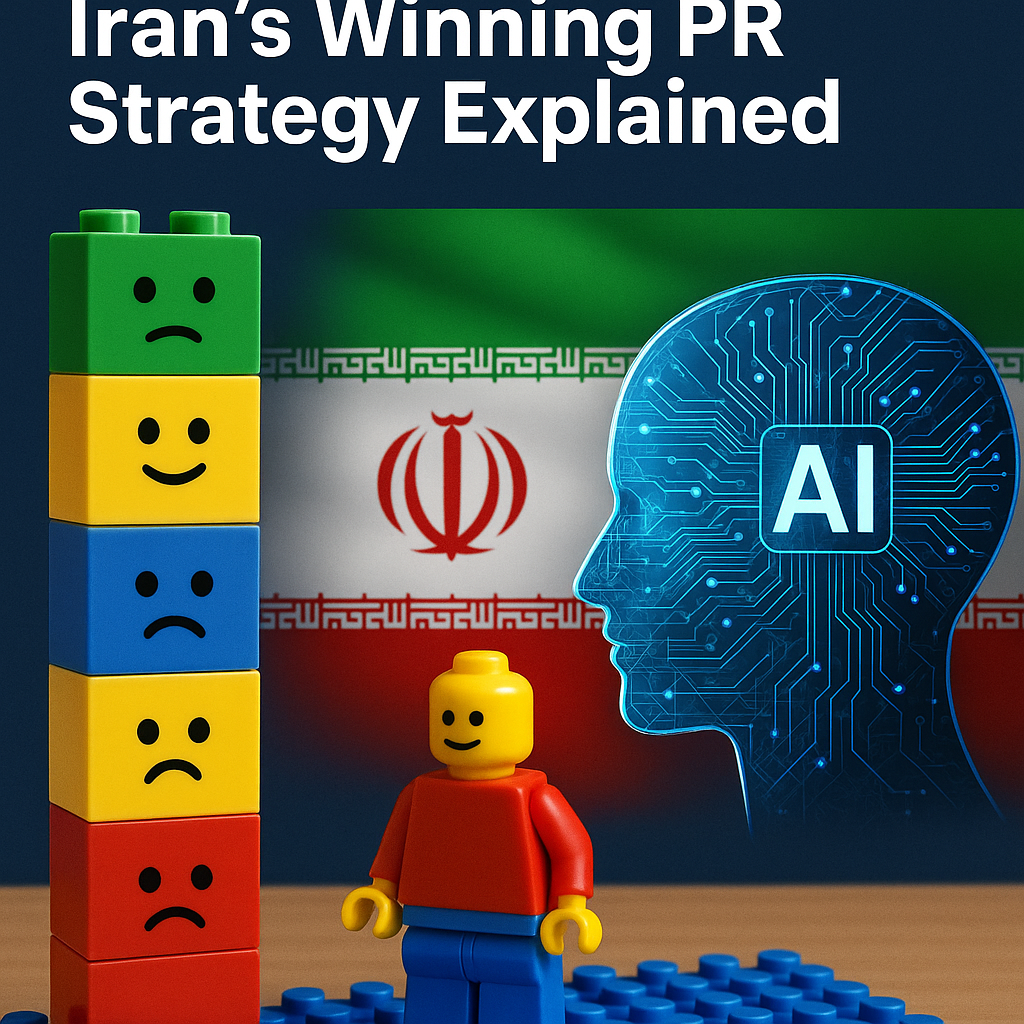
Lego Clips and AI: Iran’s Winning PR Strategy Explained

Lego Clips and AI: Iran’s Winning PR Strategy Explained
In the dynamic realm of public relations, few strategies have been as innovative yet contentious as Iran’s recent foray into digital storytelling, utilizing platforms like LEGO clips and artificial intelligence. As governments worldwide grapple with shaping narratives in the digital age, Iran appears to be carving out a unique approach, leveraging creativity and technology to engage with diverse audiences.

The Evolution of Iran’s Digital Propaganda
For decades, Iran has employed varied methods to project its image abroad, particularly in the face of economic sanctions and international scrutiny. The onset of social media and advancing technologies has prompted a shift towards more sophisticated forms of communication, including animated clips and AI-generated content. Recent reports highlight that Iran has adopted the use of LEGO figurines in propaganda videos, presenting a surprising and visually appealing approach to its messaging.


According to a report from RT, these animated clips cleverly depict narratives that resonate with younger audiences both domestically and internationally. A clip showcasing a miniature scene of Iranian history, featuring LEGO characters in pivotal moments, exemplifies this strategy. The colorful, non-threatening format of LEGO appeals to a range of viewers, potentially softening the serious undertones of traditional political messaging.


Engaging Audiences Through Creativity and Technology
The use of LEGO clips is not merely a whimsical choice; it serves specific strategic purposes. The inherent playfulness of LEGO invites engagement, allowing viewers to digest complex historical and political narratives more easily. Furthermore, the bite-sized nature of these videos is well-suited for sharing across social media platforms, enhancing their reach.
Al Jazeera adds another layer to this discussion, emphasizing the role of artificial intelligence in tailoring content. AI allows for personalization of messages that can target different demographics more effectively. For instance, algorithms can analyze viewer data to optimize when and how content is delivered, ensuring maximum engagement rates. Thus, Iran’s decision to integrate AI with LEGO animation speaks to an understanding of modern media consumption habits, particularly among younger audiences.
Diverse Perspectives on Iran’s PR Approach
While Iran’s strategy appears innovative, it has not gone without critique. Analysts have pointed out that presenting historical and socio-political narratives through lighthearted mediums can oversimplify complex issues. There is a risk that such representations may inadvertently sanitize or mislead viewers about serious events and their implications. A balanced view acknowledges that while engaging content has its merits, it can also lead to potential misinterpretations or trivialization of critical issues.
Opinions vary widely on the effectiveness of this strategy. Some view it as a clever method to sidestep the harsh realities of international politics, while others perceive it as a modern extension of historical propaganda techniques. As noted in multiple sources, the Internet allows for rapid dissemination of information, meaning that Iran’s creative clips could either bolster its image or backfire if viewed as disingenuous.
The Uncertain Landscape of Digital Influence
As the digital landscape evolves, so does the need for ethical considerations in PR strategies. The LEGO animation approach reflects a broader trend where governments and organizations strive to humanize often negative narratives through relatable storytelling. However, there lies a question of accountability; when content is playful, it can dilute the weight of its message.
This uncertainty is particularly pronounced when considering the potential impact on international relations. While some may find Iran’s polished PR efforts admirable, others could argue that they obfuscate deeper systemic issues and tensions. Thus, the effectiveness and sincerity of this strategy remain subjects of ongoing debate.
Conclusion
Iran’s foray into using LEGO animations and AI as tools of public relations exemplifies a broader transformation in how nations craft their narratives in an increasingly fragmented media landscape. While the creativity of this strategy may appeal to a global audience, it simultaneously raises significant questions about the responsibility of storytellers in conveying truth amidst artistry. The effectiveness of Iran’s tactics will undoubtedly depend on how audiences respond—whether they view these narratives as engaging narratives or oversimplified versions of complex realities.
As we continue to observe these developments, it becomes clear that the intersection of creativity, technology, and political messaging will be a fascinating terrain for both practitioners and analysts in the years to come.















