
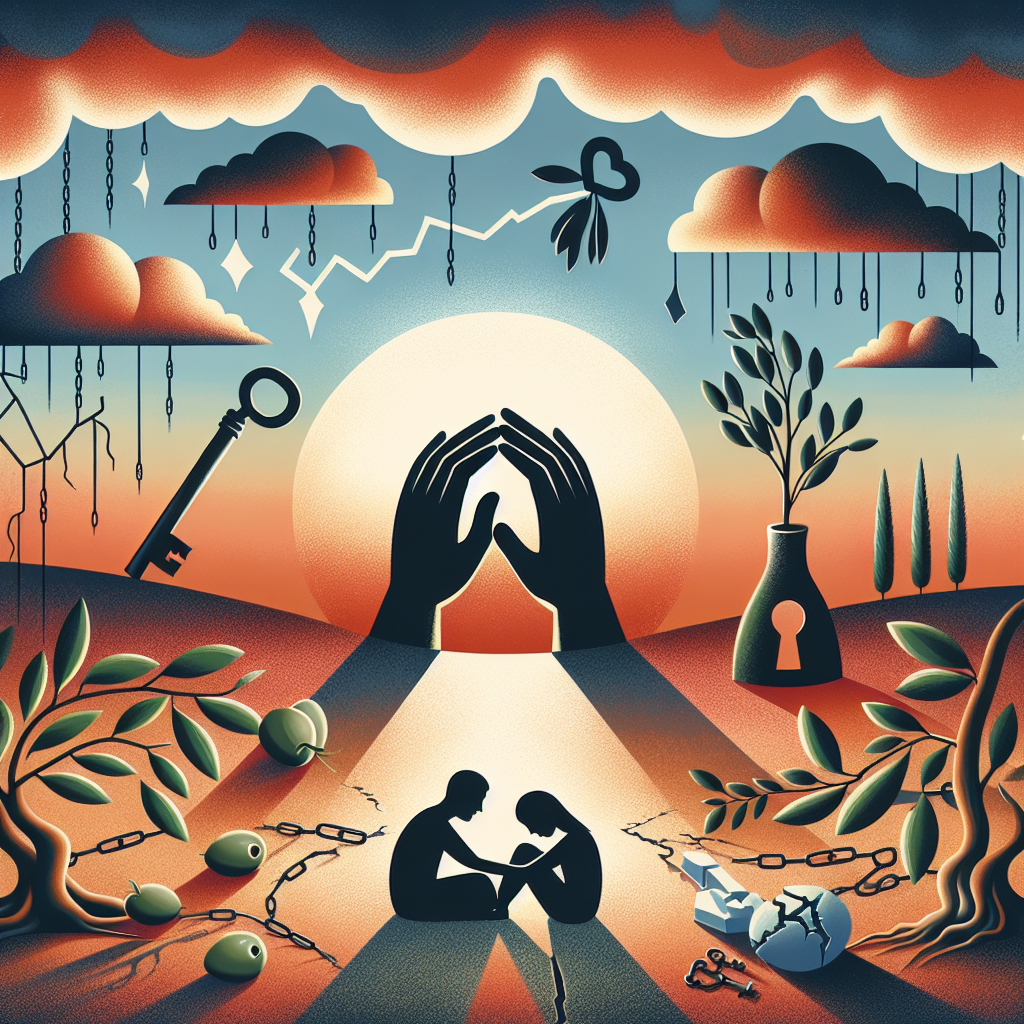
Lifelong Impact of Psychological Trauma on Palestinians

Lifelong Impact of Psychological Trauma on Palestinians
Understanding the Context
The ongoing conflict in the Palestinian territories has resulted in widespread psychological trauma among its population. This trauma is not only immediate but has long-lasting effects that permeate through generations.

Key Factors Contributing to Trauma
- Continuous Conflict: Decades of conflict have created an environment of constant fear and uncertainty.
- Displacement: Many Palestinians face displacement, leading to loss of home and community.
- Economic Hardship: The economic instability exacerbates stress and anxiety.
- Restricted Movement: Limitations on movement contribute to feelings of entrapment and helplessness.
Psychological Effects
The psychological impact of these factors is profound, affecting individuals and communities in various ways:


- Chronic Stress: Persistent stress can lead to mental health disorders such as PTSD, depression, and anxiety.
- Intergenerational Trauma: Trauma is often passed down, affecting children and future generations.
- Social and Behavioral Issues: Increased aggression, social withdrawal, and difficulty in forming relationships are common.
Efforts to Address the Trauma
Various organizations and initiatives are working to mitigate the psychological impact on Palestinians:


- Mental Health Programs: Initiatives aimed at providing psychological support and counseling.
- Community Support: Building community resilience through support groups and social networks.
- International Aid: Assistance from international bodies to improve living conditions and provide resources.
Conclusion
The psychological trauma experienced by Palestinians due to ongoing conflict has deep and lasting effects. Addressing these issues requires a multifaceted approach involving mental health support, community resilience building, and international cooperation. Understanding and mitigating these impacts is crucial for the well-being of current and future generations.















