
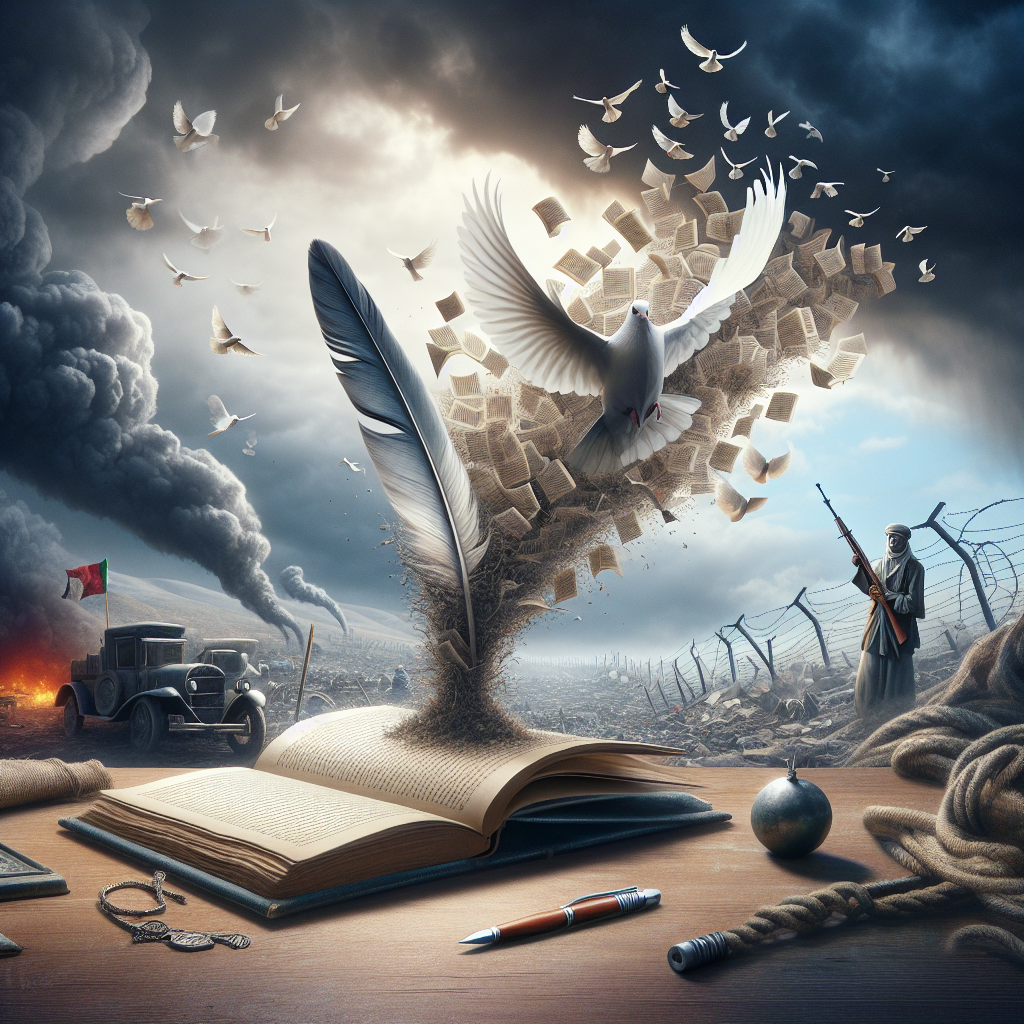
Literature’s Influence During War: Insights from Fatima Bhutto & Ahmed Masoud

Literature’s Influence During War: Insights from Fatima Bhutto & Ahmed Masoud
Introduction
In a compelling discussion, authors Fatima Bhutto and Ahmed Masoud explore the profound impact of literature during times of war. Their insights reveal how storytelling becomes a powerful tool for resistance, understanding, and healing amidst conflict.

The Role of Literature in War
Both Bhutto and Masoud emphasize the critical role literature plays in shaping narratives and influencing perceptions during wartime. Key points include:


- Preservation of History: Literature serves as a historical record, capturing the realities of war that might otherwise be lost.
- Empathy and Understanding: Stories foster empathy by providing personal insights into the lives affected by conflict.
- Resistance and Resilience: Writing becomes an act of resistance, offering a voice to the voiceless and challenging dominant narratives.
Insights from Fatima Bhutto
Fatima Bhutto, known for her poignant storytelling, highlights the following:


- Personal Narratives: Bhutto stresses the importance of personal stories in humanizing the impacts of war.
- Cultural Identity: Literature helps preserve cultural identity amidst the chaos of conflict.
Perspectives from Ahmed Masoud
Ahmed Masoud, a writer with firsthand experience of conflict, shares his perspectives:
- Truth and Fiction: Masoud discusses the blend of truth and fiction in war literature, which can convey deeper truths.
- Healing through Writing: He emphasizes writing as a therapeutic process for both authors and readers.
Conclusion
Fatima Bhutto and Ahmed Masoud provide valuable insights into the transformative power of literature during war. Their discussion underscores literature’s ability to preserve history, foster empathy, and serve as a form of resistance. Ultimately, storytelling remains a vital tool for understanding and healing in times of conflict.















