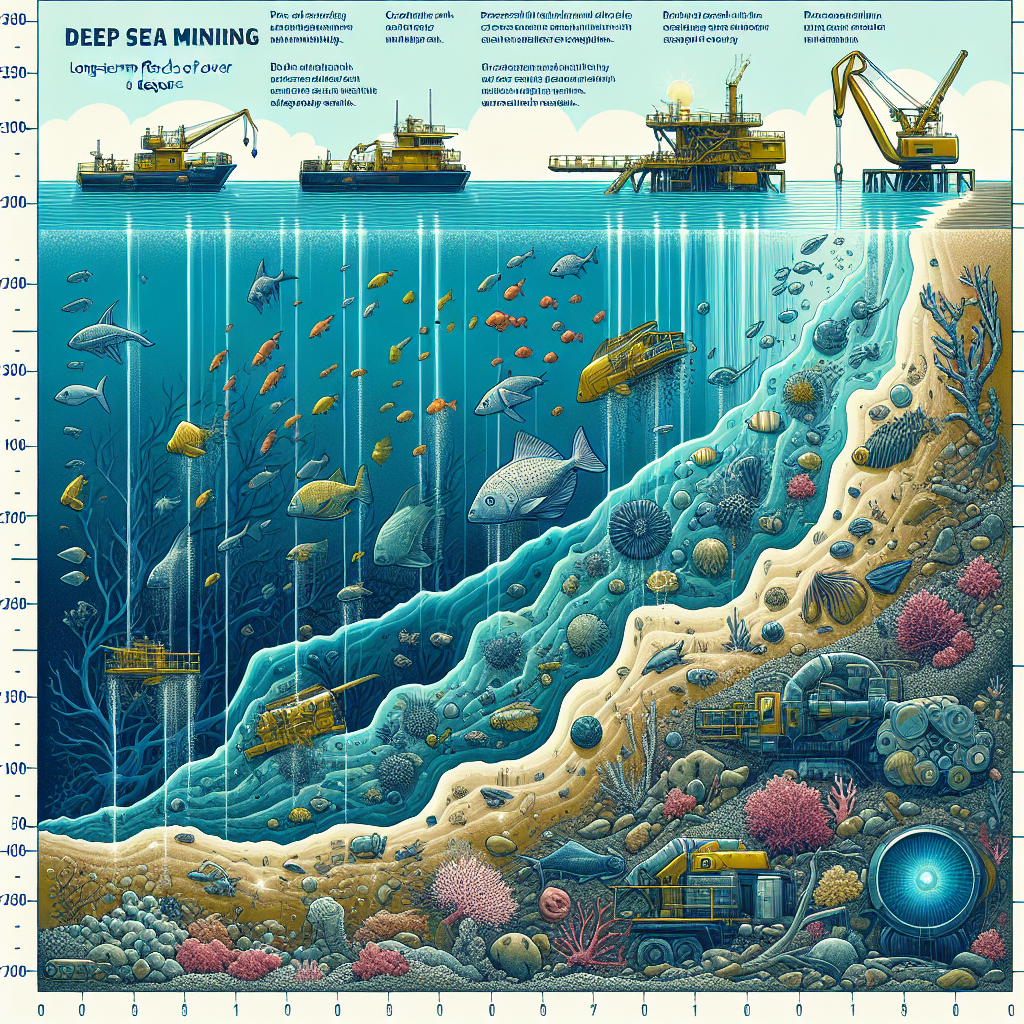
Long-Term Effects of Deep Sea Mining Revealed After Four Decades: Study

Long-Term Effects of Deep Sea Mining Revealed After Four Decades: Study
Introduction
A groundbreaking study has unveiled the long-term environmental impacts of deep-sea mining, shedding light on the ecological consequences that have persisted for over 40 years. This research provides critical insights into the sustainability and environmental risks associated with deep-sea resource extraction.

Key Findings
- Ecological Disruption: The study highlights significant disruptions to marine ecosystems, with some areas showing little to no recovery even after four decades.
- Biodiversity Loss: A marked decline in biodiversity was observed, with many species struggling to re-establish in mined areas.
- Habitat Alteration: The physical alteration of the seabed has led to long-lasting changes in habitat structure, affecting species composition and abundance.
- Slow Recovery Rates: Recovery of deep-sea environments is exceedingly slow, raising concerns about the long-term viability of these ecosystems.
Implications for Future Mining
The findings underscore the need for stringent regulations and comprehensive environmental assessments before undertaking deep-sea mining projects. The study advocates for:


- Enhanced monitoring of mining activities to mitigate adverse effects.
- Development of sustainable mining practices that minimize ecological damage.
- International collaboration to establish protective measures for vulnerable marine environments.
Conclusion
This study serves as a crucial reminder of the enduring impacts of deep-sea mining on marine ecosystems. It calls for a balanced approach that considers both the economic benefits and the environmental costs of resource extraction. As the demand for deep-sea minerals grows, it is imperative to prioritize the health and sustainability of our oceans.