
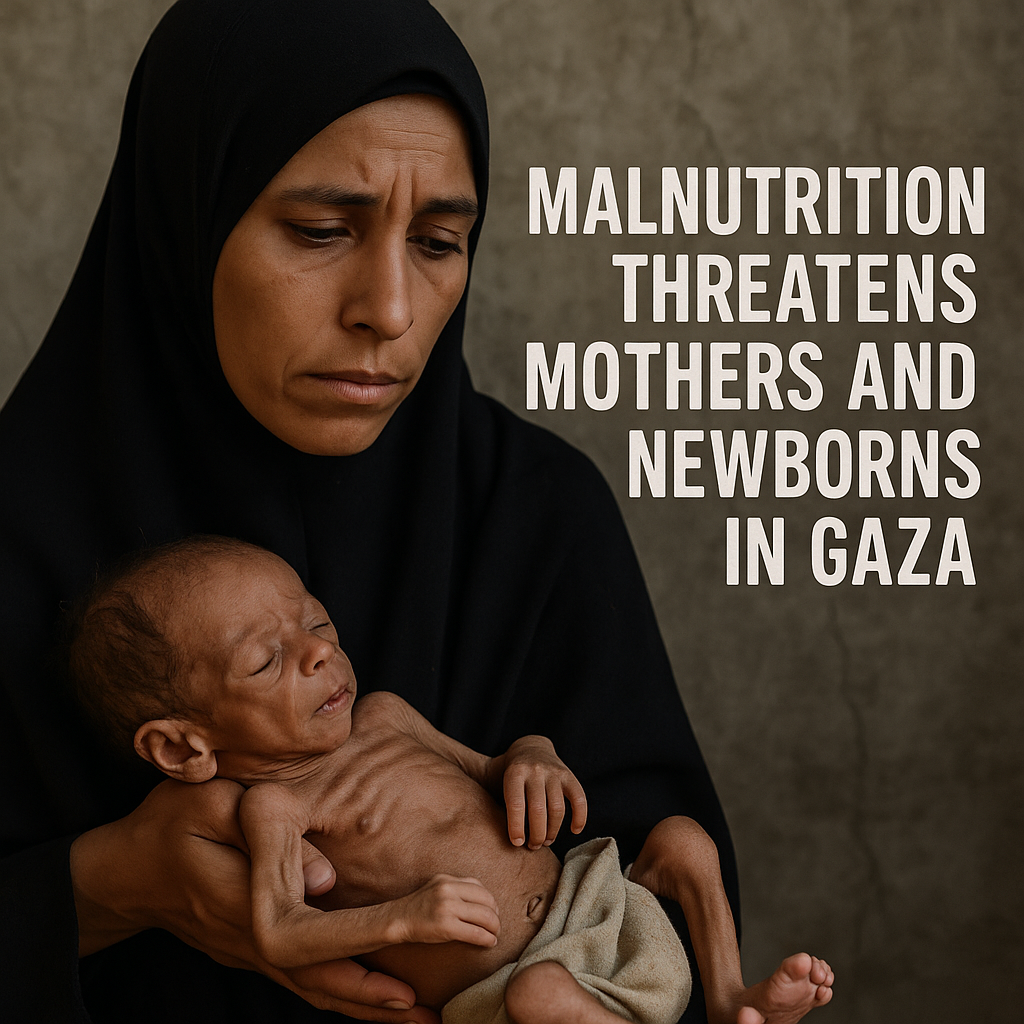
Malnutrition Threatens Mothers and Newborns in Gaza

Malnutrition Threatens Mothers and Newborns in Gaza
In the ongoing crisis in Gaza, malnutrition poses a serious threat to mothers and newborns, exacerbating an already dire humanitarian situation. As the conflict continues, access to food and healthcare has become increasingly restricted, leading to alarming statistics regarding nutritional deficiencies among vulnerable populations.

Rising Cases of Malnutrition
Reports from various organizations indicate that malnutrition rates among pregnant women and newborns in Gaza have surged dramatically. According to Al Jazeera, healthcare providers in the region have documented a staggering increase in cases of maternal and infant malnutrition, particularly in areas where access to basic resources is severely limited due to ongoing hostilities. This reality is further compounded by blockades that limit the import of vital medical supplies and food.


The impact is multidimensional. A report highlights that approximately 22% of pregnant women in Gaza are currently experiencing moderate to severe malnutrition. This includes deficiencies in essential nutrients such as iron, folic acid, and protein, which are crucial for healthy pregnancies and fetal development. The lack of nutritional care not only jeopardizes the health of mothers but also the development and survival of their newborns.


The Health Implications
The implications of malnutrition extend beyond immediate health risks. Infants born to malnourished mothers are more likely to experience low birth weights and developmental delays, further perpetuating the cycle of poverty and health crises in the region. According to the Palestinian Ministry of Health, nearly 50% of infants in Gaza suffer from anemia, a condition largely associated with nutritional deficiencies.
Experts warn that these health issues could have long-lasting repercussions. Malnutrition in early life is linked to cognitive impairments and chronic health conditions in adulthood, thereby affecting the future generation. The World Health Organization has indicated that the challenges faced by mothers and newborns in Gaza may result in higher mortality rates if not addressed immediately and comprehensively.
Views from the Ground: A Humanitarian Crisis
Opinions from health professionals on the ground provide further insight into the grim reality faced by families. One healthcare worker reported witnessing firsthand the desperation of families who struggle to provide adequate nutrition for their children, emphasizing that their needs go far beyond immediate food supplies. “We need sustainable solutions—access to clean water, nutritional education, and consistent healthcare,” she stated.
Contrastingly, some reports suggest that international aid attempts are often hampered by bureaucratic red tape, limiting the effectiveness of humanitarian efforts. An article from RT discusses how political instability and a lack of cooperation between different factions inhibit the flow of aid, leading to increased hardship for the civilian population. This perspective emphasizes that while the urgency of the situation is clear, the complexities of geopolitical dynamics often overshadow the immediate needs of vulnerable groups.
Initiatives and Challenges in Addressing Malnutrition
Efforts are underway to combat malnutrition among pregnant women and newborns, yet significant challenges remain. Organizations like UNICEF are implementing nutritional programs aimed at providing essential supplements and education to expectant mothers. However, these initiatives are often criticized for being insufficient given the scale of the crisis.
Moreover, the blockade imposed on Gaza limits the importation of food and medical supplies, creating barriers that hinder the overall effectiveness of these programs. Many humanitarian workers have expressed frustration, noting that without an end to the blockade, addressing malnutrition will remain painfully slow.
To counteract these challenges, there is a growing call for the international community to step up and facilitate the delivery of humanitarian aid. It is crucial for negotiations to prioritize the health and well-being of mothers and newborns by ensuring that access to nutritional support is granted.
Conclusion: The Path Forward
The crisis of malnutrition threatening mothers and newborns in Gaza is a poignant example of how conflict exacerbates health inequalities and vulnerabilities. With reports indicating skyrocketing malnutrition rates, the urgency for international cooperation and actionable solutions has never been clearer.
As we peer into the challenges faced by these families, it is essential to recognize that long-term solutions require more than just immediate food aid. Sustainable access to healthcare, nutritional education, and a commitment from the international community to address the systemic barriers are vital for restoring health outcomes in Gaza.
Moving forward, both humanitarian organizations and political leaders must prioritize the health and well-being of the most vulnerable among us. The journey towards recovery may be fraught with challenges, but it is a journey that must be undertaken—not just for the people of Gaza today, but for the generations that will follow.















