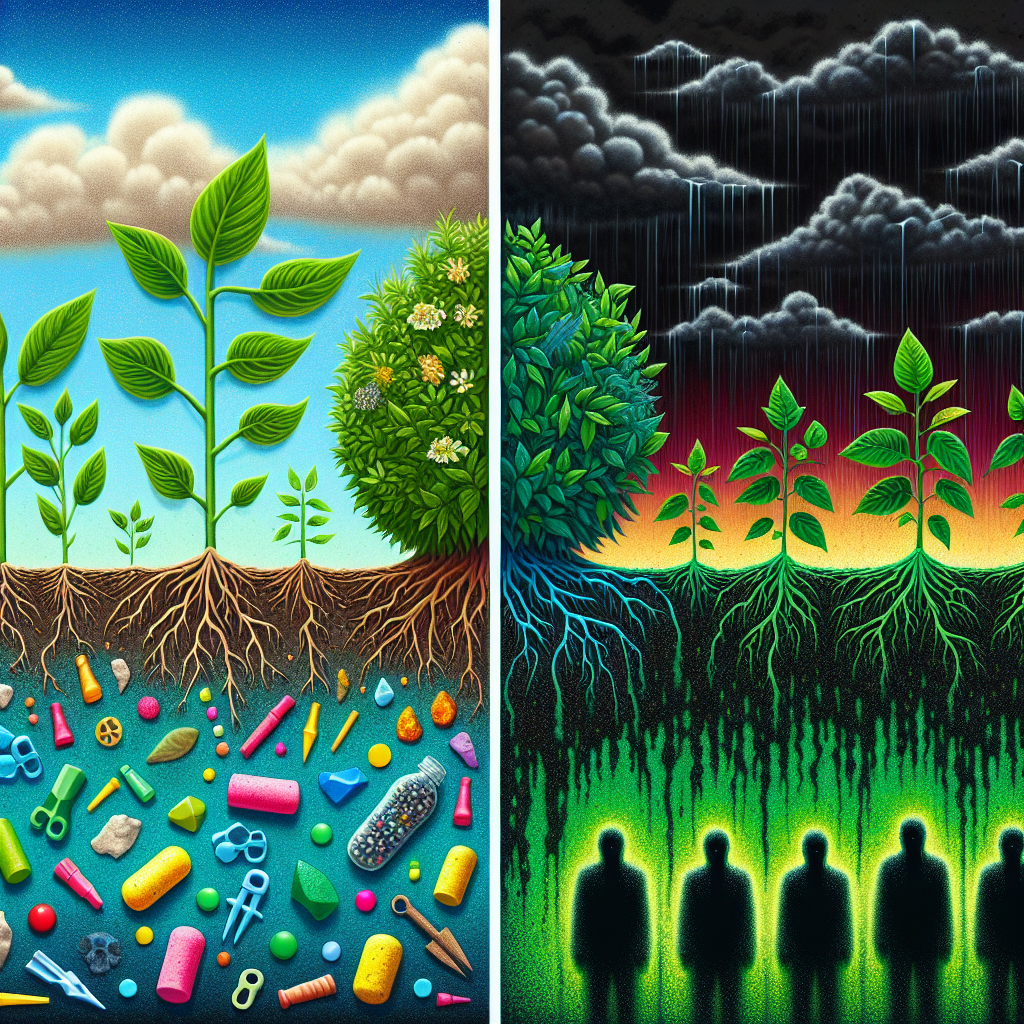
Microplastics Threaten Plant Life, 400 Million Face Starvation in Two Decades: Study

Microplastics and Starvation: A Looming Crisis
The Growing Threat of Microplastics
Microplastics, tiny plastic particles less than 5mm in size, are increasingly infiltrating ecosystems worldwide. These pollutants are not only pervasive in oceans but are now threatening terrestrial plant life, which could have dire consequences for global food security.

Impact on Plant Life
Recent studies highlight the detrimental effects of microplastics on plant health and growth. Key findings include:


- Microplastics can alter soil properties, affecting water retention and nutrient availability.
- They can hinder root development, leading to stunted plant growth.
- Accumulation in soil ecosystems can disrupt the balance of microorganisms essential for plant health.
Starvation Risk for 400 Million People
The study warns that if current trends continue, up to 400 million people could face starvation within the next two decades. This alarming prediction is based on the potential decline in agricultural productivity due to microplastic pollution.


Key Insights and Actions
To mitigate this impending crisis, the study suggests several actions:
- Implementing stricter regulations on plastic production and waste management.
- Investing in research to develop biodegradable alternatives to conventional plastics.
- Raising public awareness about the impact of microplastics on the environment and food security.
Conclusion
The study underscores the urgent need to address microplastic pollution to safeguard plant life and prevent a potential food crisis. By taking proactive measures, we can protect ecosystems and ensure food security for future generations.