
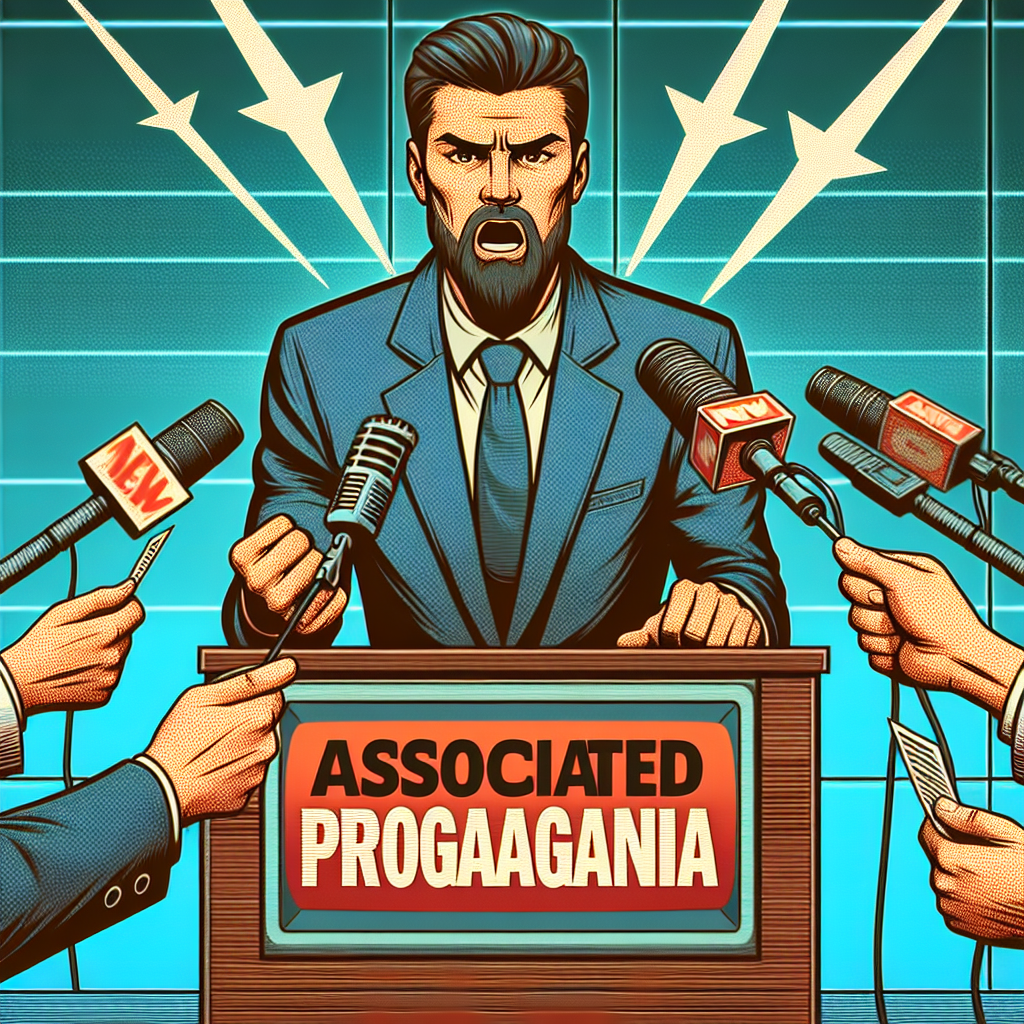
Musk Criticizes AP as ‘Associated Propaganda’

Musk Criticizes AP as ‘Associated Propaganda’
Overview
Elon Musk, the CEO of Tesla and SpaceX, has recently taken a public stance against the Associated Press (AP), labeling the news organization as “Associated Propaganda.” This critique has sparked discussions about media bias and the role of influential figures in shaping public perception of news outlets.

Key Points of Criticism
- Media Bias: Musk accuses AP of biased reporting, suggesting that their coverage is skewed to serve particular agendas.
- Influence on Public Opinion: He argues that such bias can significantly influence public opinion, potentially leading to misinformation.
- Call for Accountability: Musk emphasizes the need for media organizations to maintain objectivity and accountability in their reporting.
Reactions and Implications
The criticism has elicited varied reactions from the public and media experts. Some support Musk’s viewpoint, while others defend AP’s journalistic integrity.


- Supporters: Those in agreement with Musk believe that media bias is a pervasive issue that needs addressing.
- Defenders: Critics of Musk’s comments argue that his statements could undermine trust in reputable news sources.
- Media Landscape Impact: The incident highlights ongoing tensions between high-profile individuals and media organizations, potentially affecting how news is consumed and trusted.
Conclusion
Elon Musk’s labeling of the Associated Press as “Associated Propaganda” underscores the ongoing debate over media bias and the influence of powerful figures on public discourse. While his comments have sparked support and criticism, they also highlight the critical need for transparency and accountability in journalism to maintain public trust.














