
Neuralink Enables Paralyzed Man to Control Objects with His Mind: “Feels Like Sci-Fi”

Neuralink Enables Paralyzed Man to Control Objects with His Mind: “Feels Like Sci-Fi”
Introduction
In a groundbreaking development, Neuralink, the brain-computer interface company founded by Elon Musk, has successfully enabled a paralyzed man to control objects using only his mind. This achievement marks a significant milestone in the field of neurotechnology, offering new hope for individuals with severe physical disabilities.

Key Achievements
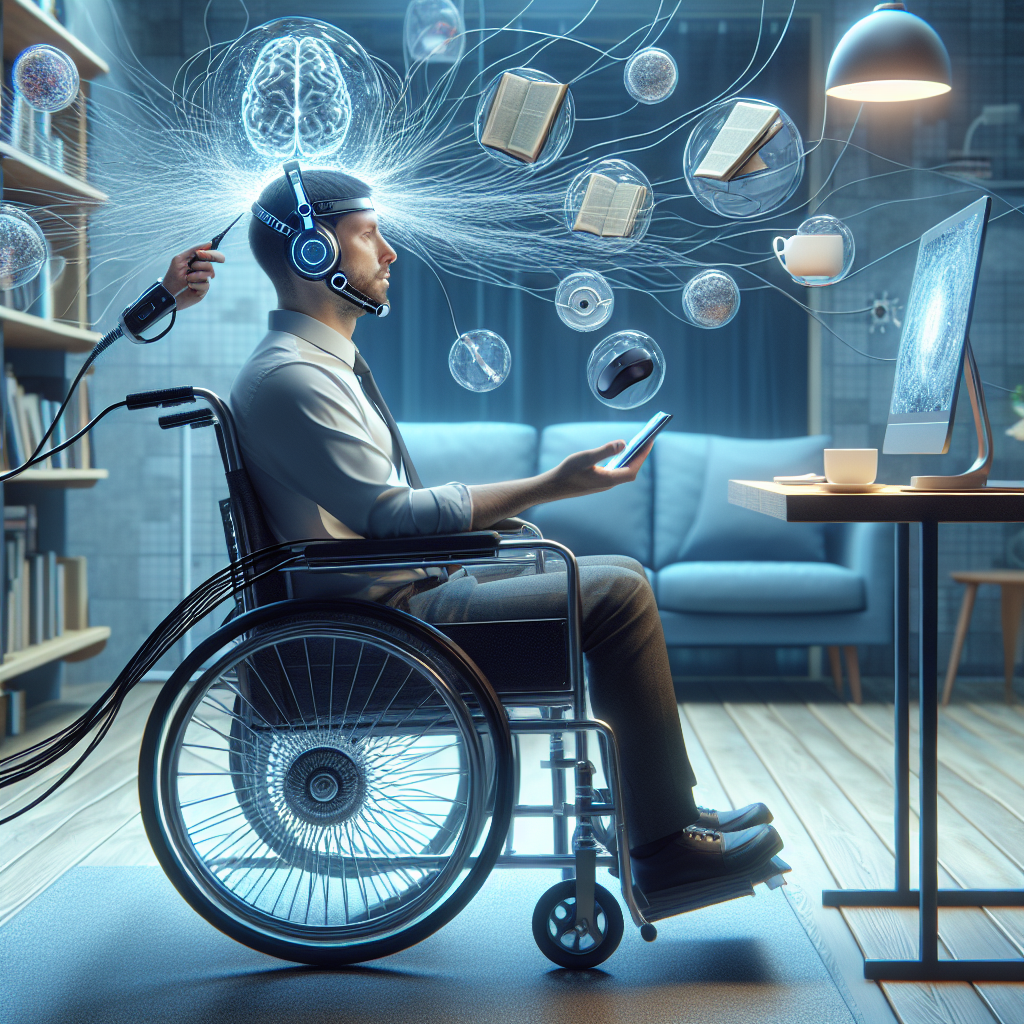
- Mind-Controlled Interaction: The paralyzed individual was able to interact with objects in his environment through thought alone, demonstrating the potential of Neuralink’s technology.
- Advanced Brain-Computer Interface: The technology involves implanting a chip in the brain that communicates wirelessly with external devices, translating neural signals into actionable commands.
- Revolutionary Potential: This innovation could transform the lives of those with paralysis, offering new avenues for independence and interaction with the world.
Technological Insights
Neuralink’s system leverages cutting-edge advancements in neuroscience and engineering:


- High-Precision Implants: The brain implant is designed to be minimally invasive, with ultra-thin threads that interface with neurons to capture brain activity.
- Real-Time Processing: The system processes neural signals in real-time, allowing for immediate interaction with connected devices.
- Wireless Communication: The wireless nature of the technology eliminates the need for cumbersome external connections, enhancing user comfort and mobility.
Implications for the Future
The success of this trial opens up numerous possibilities for the future of neurotechnology:


- Enhanced Quality of Life: Individuals with disabilities could gain greater autonomy and control over their environment.
- Broader Applications: Beyond medical uses, this technology could pave the way for new forms of human-computer interaction.
- Ethical Considerations: As with any emerging technology, ethical implications regarding privacy and consent will need to be carefully addressed.
Conclusion
Neuralink’s achievement in enabling a paralyzed man to control objects with his mind is a testament to the transformative power of technology. By bridging the gap between thought and action, this innovation not only offers hope to those with physical limitations but also heralds a new era of human-machine interaction that feels straight out of science fiction.













