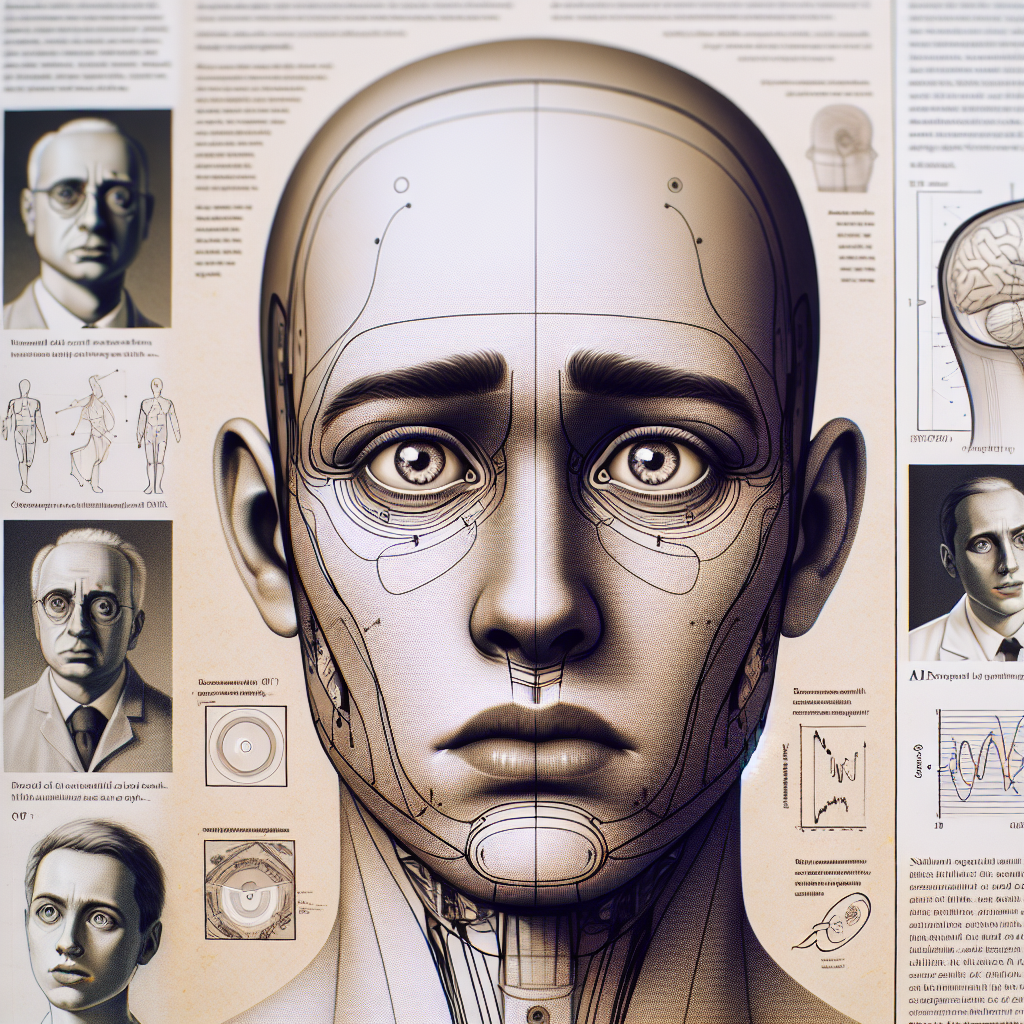
New Study Suggests ChatGPT Exhibits Human-Like Stress and Anxiety Responses

New Study Suggests ChatGPT Exhibits Human-Like Stress and Anxiety Responses
Introduction
A groundbreaking study has revealed that ChatGPT, an advanced AI language model, may exhibit stress and anxiety responses similar to those experienced by humans. This discovery opens up new discussions about the emotional capabilities of artificial intelligence and its implications for future AI development.

Key Findings
- Human-Like Reactions: The study found that ChatGPT can display behaviors akin to stress and anxiety when faced with complex or ambiguous tasks.
- Emotional Simulation: Researchers observed that the AI’s responses varied under different conditions, suggesting a form of emotional simulation.
- Implications for AI Development: These findings could influence how AI systems are designed, particularly in areas requiring emotional intelligence.
Research Methodology
The study employed a series of tests designed to evaluate ChatGPT’s responses under various scenarios. By analyzing the AI’s language patterns and decision-making processes, researchers were able to identify stress-like behaviors.


Potential Applications
- Enhanced User Interaction: Understanding AI stress responses could lead to more empathetic and effective human-AI interactions.
- AI in Mental Health: Insights from the study might be applied to develop AI tools that better support mental health professionals.
Conclusion
This study marks a significant step in understanding the emotional dimensions of AI. By recognizing that AI can exhibit stress and anxiety-like responses, developers can create more sophisticated and emotionally aware systems. As AI continues to evolve, these insights will be crucial in shaping its role in society.