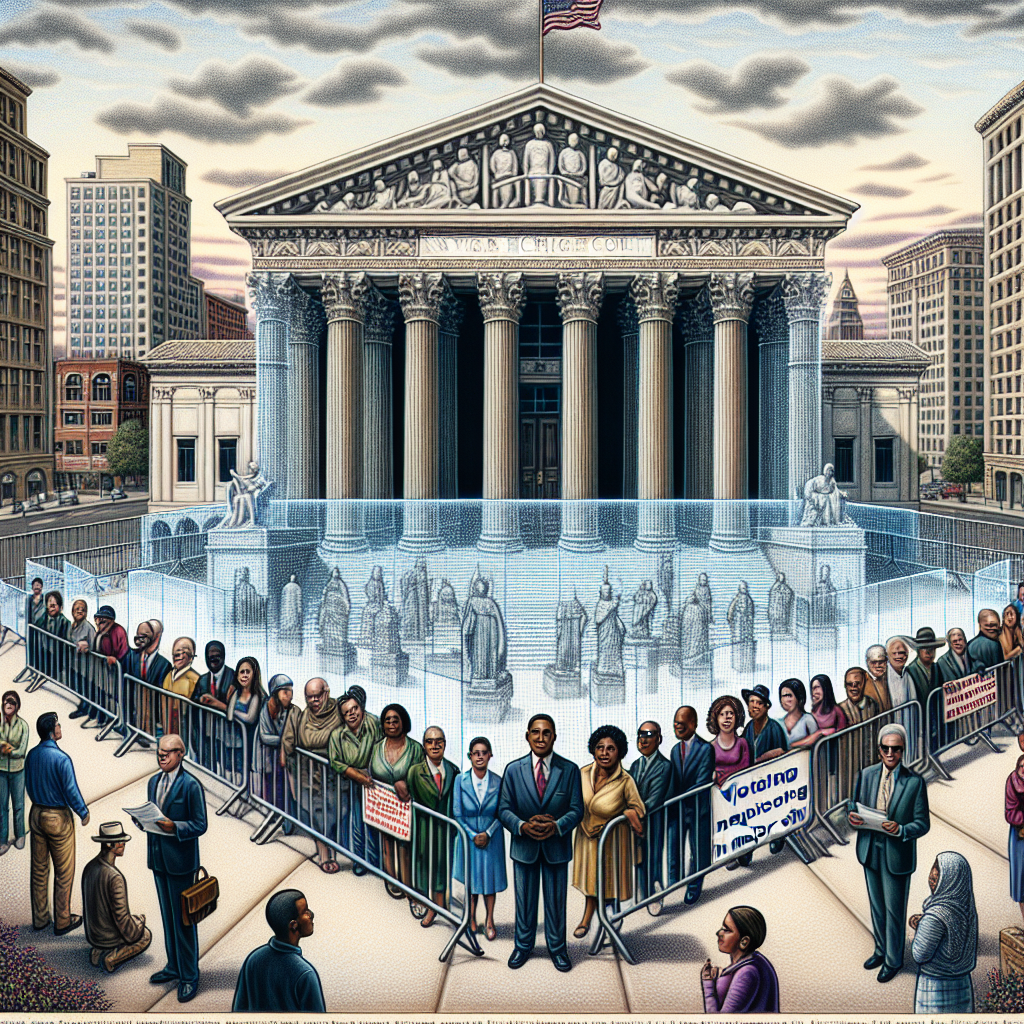
New York’s Highest Court Prevents Noncitizen Voting in NYC

New York’s Highest Court Blocks Noncitizen Voting in NYC
Overview
In a landmark decision, New York’s highest court has ruled against a law that would have allowed noncitizens to vote in local elections in New York City. This ruling has significant implications for the city’s electoral landscape and the rights of its noncitizen residents.

Key Details of the Ruling
- Legal Challenge: The law, which was passed by the New York City Council, faced legal challenges questioning its constitutionality.
- Court’s Decision: The court concluded that the law violated the New York State Constitution, which explicitly reserves the right to vote to citizens.
- Impact on Local Elections: The decision prevents approximately 800,000 noncitizen residents from participating in local elections, maintaining the status quo of citizen-only voting.
Reactions and Implications
The ruling has sparked a range of reactions from various stakeholders:


- Supporters of the Ruling: Advocates argue that the decision upholds the integrity of the electoral process and aligns with constitutional mandates.
- Opponents’ Viewpoint: Critics contend that the ruling disenfranchises a significant portion of the city’s population who contribute to the community and deserve a voice in local governance.
- Future Considerations: The decision may prompt further discussions and potential legislative efforts to address the voting rights of noncitizens at the state level.
Conclusion
The New York Court of Appeals’ decision to block noncitizen voting in New York City underscores the ongoing debate over voting rights and citizenship. While the ruling maintains the current legal framework, it also highlights the complexities of integrating noncitizen residents into the democratic process. As the city navigates these challenges, the conversation around voting rights and inclusivity is likely to continue evolving.