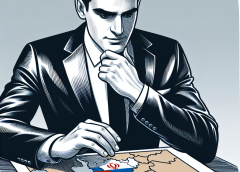
Nicolas Maduro: Venezuela’s Authoritarian Leader and Champion of the Workers

Nicolas Maduro: Venezuela’s Authoritarian Leader and Champion of the Workers
Introduction
Nicolas Maduro, the President of Venezuela, is a polarizing figure known for his authoritarian governance style and his self-proclaimed role as a defender of the working class. His leadership has been marked by economic turmoil, political unrest, and international scrutiny.

Authoritarian Leadership
Maduro’s tenure has been characterized by a consolidation of power and suppression of dissent. Key aspects of his authoritarian rule include:


- Centralization of power: Maduro has systematically dismantled democratic institutions, concentrating authority within the executive branch.
- Control over media: The government exerts significant influence over media outlets, limiting freedom of the press and controlling the narrative.
- Repression of opposition: Political opponents and activists face intimidation, imprisonment, and exile.
Champion of the Workers
Despite his authoritarian approach, Maduro positions himself as a champion of the working class. His policies and rhetoric focus on:


- Social welfare programs: Initiatives aimed at providing food, healthcare, and housing to the impoverished.
- Labor rights: Advocacy for workers’ rights and increased wages, though often criticized as unsustainable.
- Anti-imperialist stance: Maduro frequently condemns foreign interference, particularly from the United States, framing it as a threat to Venezuelan sovereignty.
Economic Challenges
Under Maduro’s leadership, Venezuela has faced severe economic challenges, including:
- Hyperinflation: The country has experienced one of the highest inflation rates in the world, eroding purchasing power.
- Resource mismanagement: Despite vast oil reserves, mismanagement and corruption have led to economic decline.
- Humanitarian crisis: Economic hardships have resulted in widespread poverty, food shortages, and mass emigration.
International Relations
Maduro’s government has strained relations with many countries, leading to diplomatic isolation. Key points include:
- Sanctions: The U.S. and other nations have imposed sanctions targeting Venezuela’s economy and key officials.
- Alliances: Maduro maintains alliances with countries like Russia, China, and Iran, seeking economic and political support.
- Regional influence: Venezuela’s political crisis has impacted neighboring countries, contributing to regional instability.
Conclusion
Nicolas Maduro remains a contentious figure, balancing his authoritarian grip on power with a populist appeal to the working class. While he portrays himself as a defender of the people, his leadership has led to significant economic and political challenges, both domestically and internationally. The future of Venezuela under Maduro’s rule remains uncertain, as the country grapples with ongoing crises and international pressure.