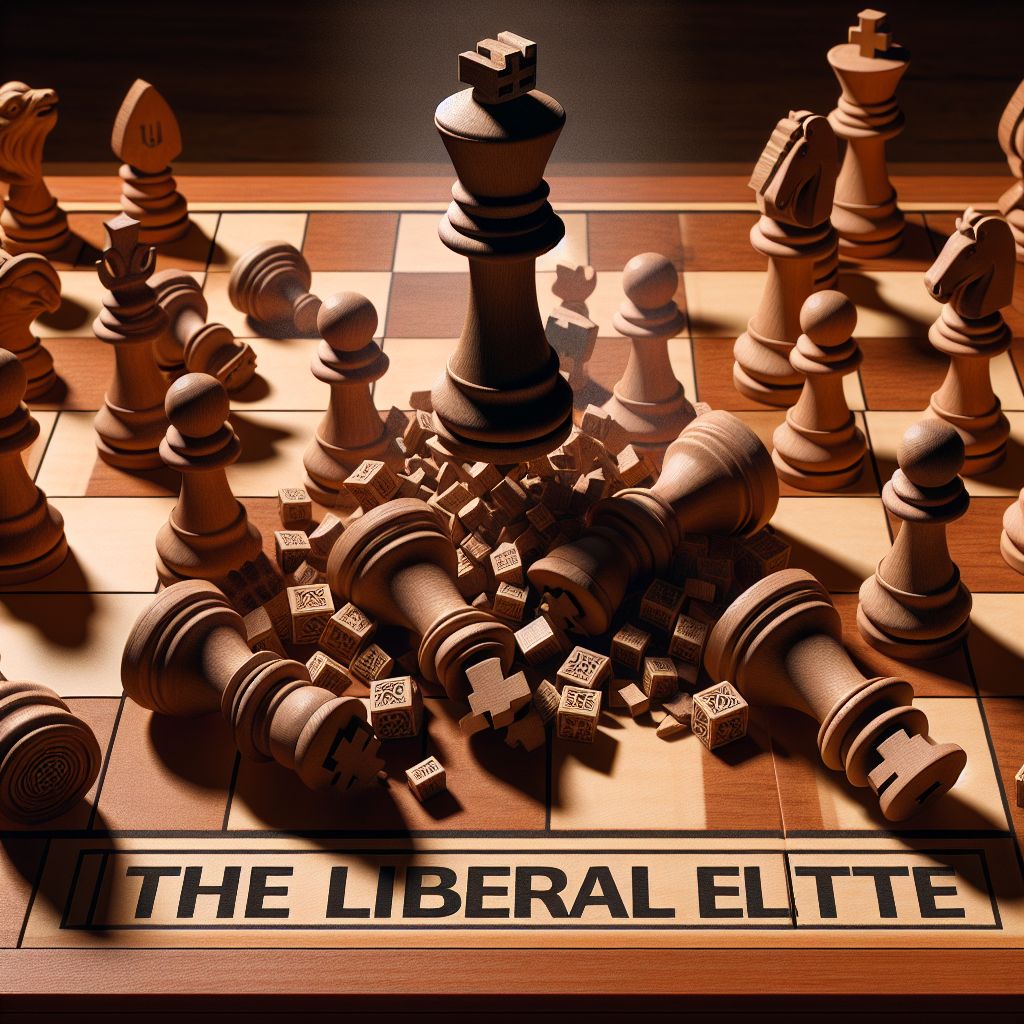
Opinion: The Fall of the ‘Liberal Elite’ Comes as No Surprise

Opinion: The Fall of the ‘Liberal Elite’ Comes as No Surprise
Introduction
The concept of the ‘liberal elite’ has long been a contentious topic in political discourse. Recent developments suggest that their influence is waning, a shift that many argue was inevitable. This opinion piece explores the reasons behind this decline and its implications for society.

Key Factors Behind the Decline
- Disconnect with the Public: The ‘liberal elite’ is often criticized for being out of touch with the everyday concerns of the general populace, leading to a growing disconnect.
- Perceived Arrogance: There is a widespread perception that the ‘liberal elite’ holds a condescending attitude towards those with differing views, which has fueled resentment.
- Failure to Address Economic Inequality: Despite advocating for equality, the ‘liberal elite’ has been seen as ineffective in addressing economic disparities, undermining their credibility.
- Rise of Populism: The global rise of populist movements has challenged the traditional power structures, including the influence of the ‘liberal elite’.
Implications for Society
The decline of the ‘liberal elite’ has significant implications for political and social dynamics:


- Shift in Political Power: As their influence wanes, new political actors and movements are emerging, reshaping the political landscape.
- Increased Polarization: The fall of the ‘liberal elite’ may contribute to further polarization, as opposing ideologies vie for dominance.
- Opportunity for New Voices: This shift opens the door for diverse perspectives and voices to gain prominence in public discourse.
Conclusion
The decline of the ‘liberal elite’ is a complex phenomenon driven by various factors, including a disconnect with the public and the rise of populism. While this shift presents challenges, it also offers opportunities for new voices to emerge and reshape the political and social landscape. As society navigates these changes, it is crucial to foster dialogue and understanding across differing viewpoints.