
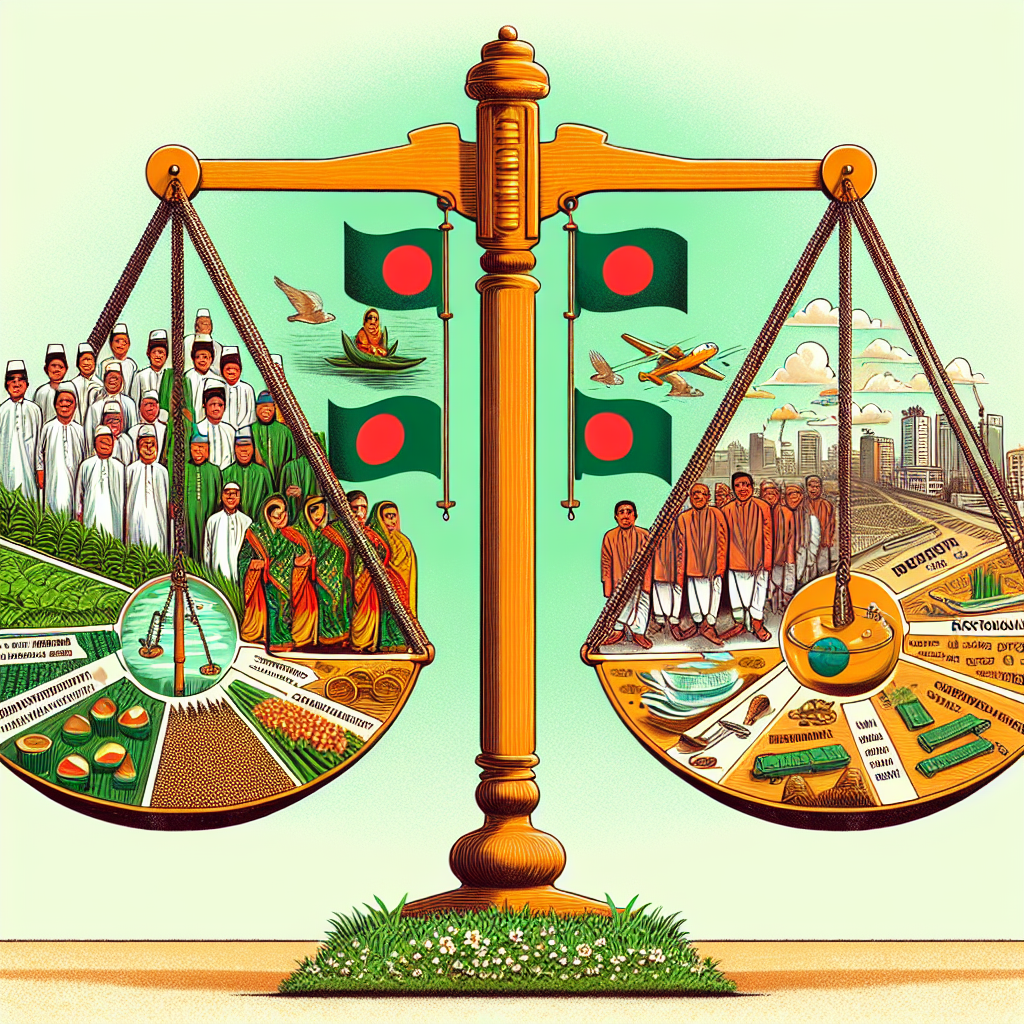
Opinion: The Flaws in Naming Bangladesh ‘Country of the Year’

Opinion: The Flaws in Naming Bangladesh ‘Country of the Year’
Introduction
The decision to name Bangladesh as the “Country of the Year” has sparked a debate, highlighting several flaws in the criteria and reasoning behind this choice. This opinion piece delves into the complexities and challenges that question the validity of such an accolade.

Economic Growth vs. Social Challenges
While Bangladesh has shown impressive economic growth, there are significant social and political issues that cannot be overlooked.


- Economic Progress: Bangladesh has experienced rapid GDP growth, driven by its booming garment industry and remittances from abroad.
- Social Issues: Despite economic gains, the country faces challenges such as poverty, inadequate healthcare, and education systems.
- Political Instability: Concerns over political freedom and governance continue to overshadow economic achievements.
Environmental Concerns
Bangladesh’s environmental challenges pose a significant threat to its long-term sustainability and development.


- Climate Vulnerability: As one of the most climate-vulnerable countries, Bangladesh faces frequent natural disasters, impacting millions of lives.
- Pollution Issues: Industrial growth has led to severe pollution, affecting air and water quality.
Human Rights and Governance
The recognition of Bangladesh as “Country of the Year” overlooks critical human rights and governance issues.
- Human Rights Concerns: Reports of human rights abuses, including restrictions on freedom of speech and press, are prevalent.
- Corruption and Governance: Corruption remains a significant barrier to equitable development and effective governance.
Conclusion
While Bangladesh’s economic achievements are commendable, the title of “Country of the Year” fails to account for the broader spectrum of challenges it faces. A more nuanced approach is necessary to truly understand and address the complexities within the nation.













