Outrage Erupts Over Danish Exhibit Featuring Starving Piglets: “This Is Criminal”

Outrage Erupts Over Danish Exhibit Featuring Starving Piglets: “This Is Criminal”
Introduction
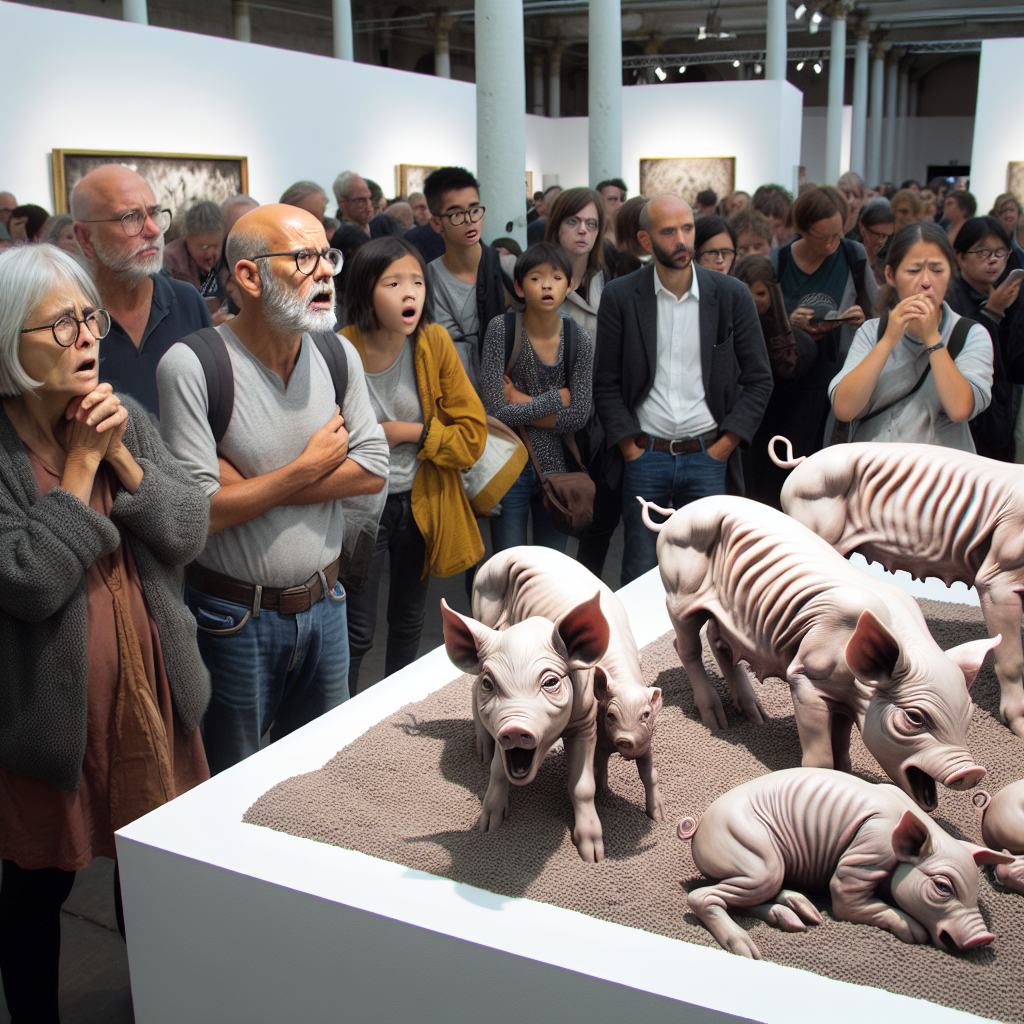
A Danish art exhibit has sparked widespread outrage and condemnation for featuring live piglets in distressing conditions. The controversial display has ignited a heated debate over animal rights and the ethical boundaries of art.

The Controversial Exhibit
The exhibit, which is part of a larger art installation, includes:


- Live piglets displayed in a confined space.
- Animals reportedly left without adequate food and water.
- Conditions that simulate starvation to provoke a reaction from viewers.
Public Reaction
The exhibit has drawn sharp criticism from various quarters, including:


- Animal rights activists who have labeled the display as “criminal” and “inhumane.”
- Members of the public expressing outrage on social media platforms.
- Calls for legal action against the organizers for animal cruelty.
Artistic Intentions
The artist behind the exhibit claims the intention was to:
- Highlight the plight of animals in industrial farming.
- Challenge viewers to confront uncomfortable realities about animal treatment.
- Stimulate a broader conversation on ethical consumption and animal welfare.
Legal and Ethical Implications
The exhibit has raised significant legal and ethical questions, including:
- Whether artistic expression justifies the use of live animals in distress.
- The potential for legal repercussions under animal welfare laws.
- The responsibilities of art institutions in curating ethically sound exhibits.
Conclusion
The Danish exhibit featuring starving piglets has ignited a fierce debate over the limits of artistic expression and the ethical treatment of animals. While the artist aims to provoke thought and discussion, the backlash highlights the delicate balance between art and ethics. As the controversy unfolds, it underscores the need for ongoing dialogue about the role of art in addressing social issues without compromising humane values.