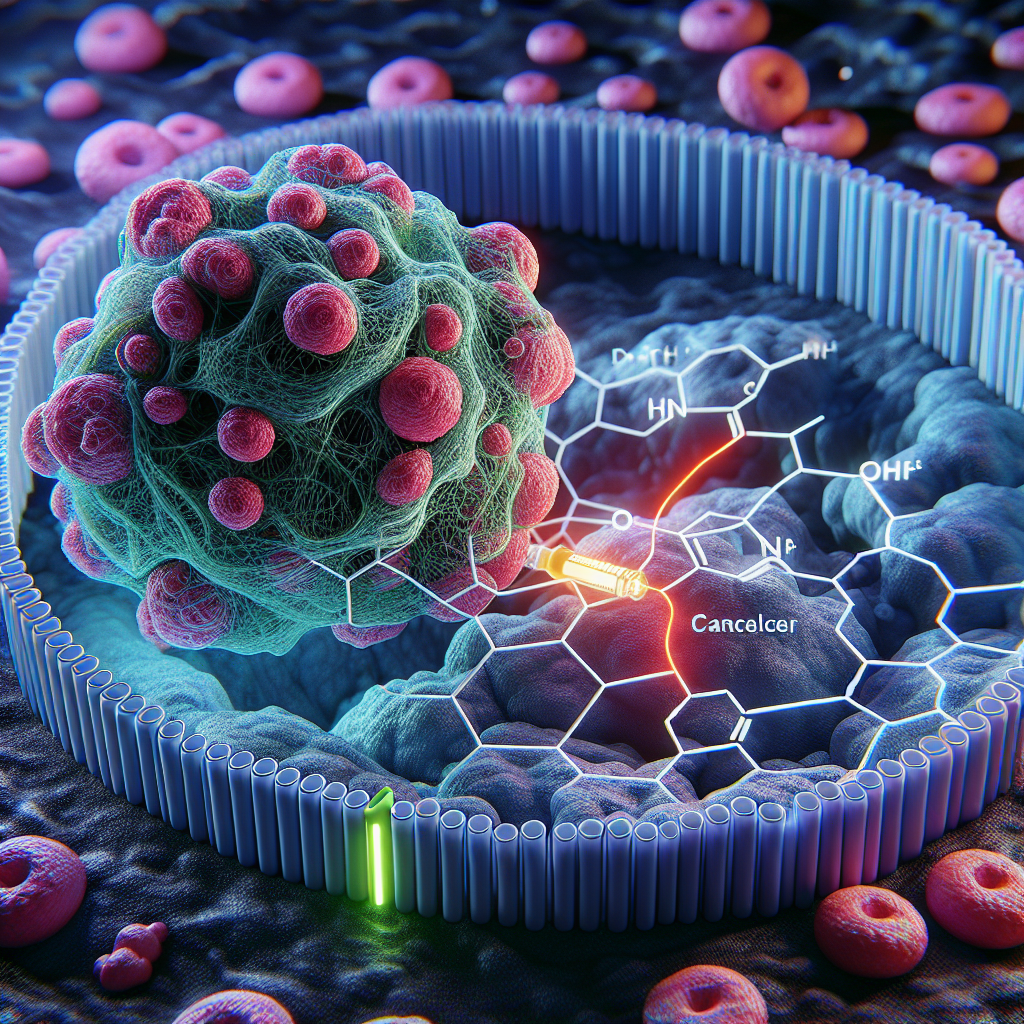
Painkiller Reveals Unexpected Ability to Halt Cancer Metastasis

Painkiller Reveals Unexpected Ability to Halt Cancer Metastasis
Introduction
In a groundbreaking discovery, researchers have found that a common painkiller, traditionally used for alleviating pain, possesses the unexpected ability to halt cancer metastasis. This revelation could pave the way for new cancer treatment strategies, offering hope to millions affected by the disease.

Key Findings
- Unexpected Role: The painkiller, typically used for pain management, has shown potential in stopping the spread of cancer cells.
- Mechanism of Action: Researchers discovered that the drug interferes with specific pathways that cancer cells use to metastasize.
- Research Validation: The findings have been validated through rigorous laboratory experiments and initial clinical trials.
Implications for Cancer Treatment
This discovery could revolutionize cancer treatment by providing a dual-purpose drug that not only alleviates pain but also combats cancer spread. The implications are significant, as metastasis is a leading cause of cancer-related deaths.


Next Steps in Research
- Further Clinical Trials: Extensive clinical trials are needed to confirm the efficacy and safety of the painkiller in cancer treatment.
- Exploration of Drug Combinations: Researchers are exploring the potential of combining this painkiller with existing cancer therapies for enhanced effectiveness.
- Understanding Long-term Effects: Studies are underway to understand the long-term impact of using this drug in cancer patients.
Conclusion
The discovery of a painkiller’s ability to halt cancer metastasis is a promising development in the fight against cancer. While further research is necessary, this finding opens new avenues for treatment, potentially improving outcomes for patients worldwide.