
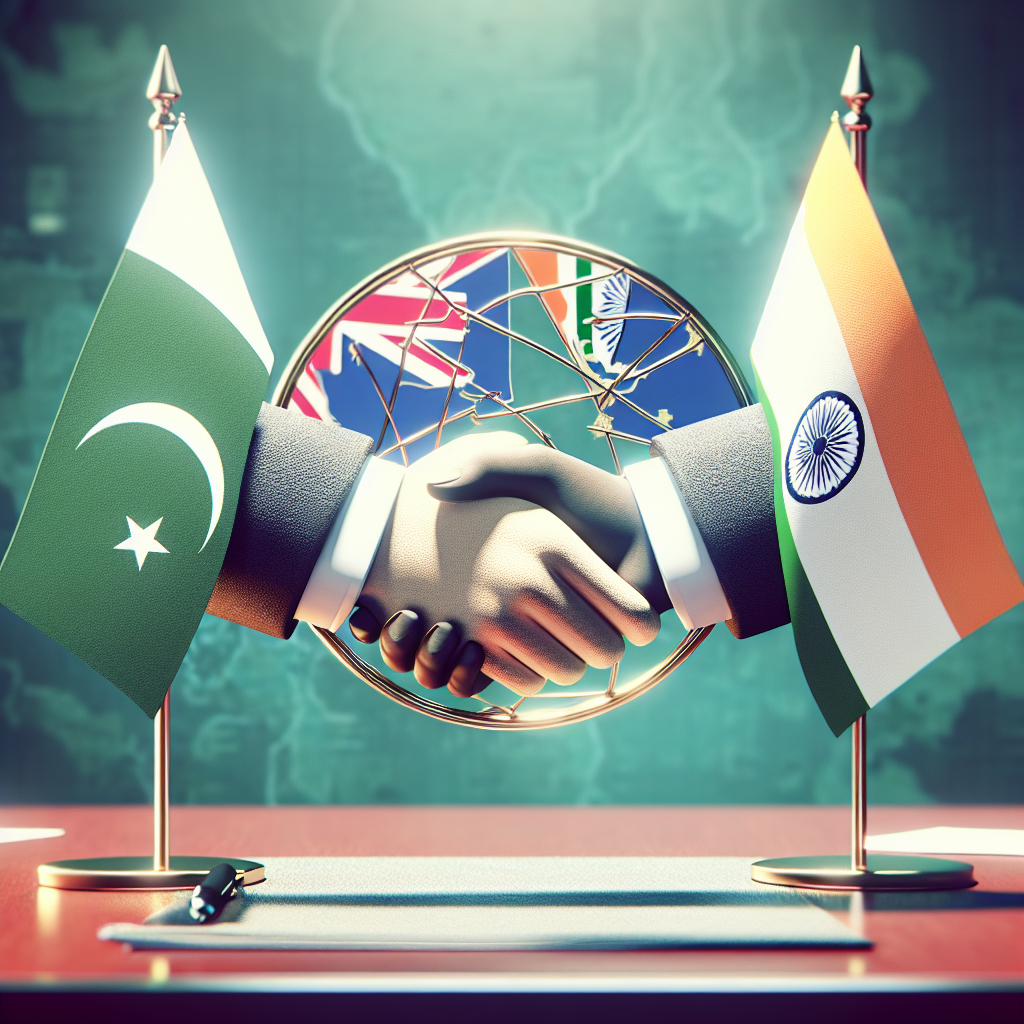
Pakistan Commences 2-Year Tenure at UN’s Leading Body, Set to Challenge India’s Reform Proposals

Pakistan’s New Role at the UN’s Leading Body
Introduction
Pakistan has embarked on a significant diplomatic journey as it begins its two-year tenure at one of the United Nations’ most influential bodies. This period is marked by its strategic positioning to counter India’s proposed reforms within the UN framework.

Key Objectives
During its tenure, Pakistan aims to focus on several critical objectives:


- Advocating for equitable representation and decision-making processes within the UN.
- Addressing regional security concerns, particularly in South Asia.
- Promoting sustainable development and climate change initiatives.
Challenging India’s Reform Proposals
One of the central themes of Pakistan’s agenda is to challenge India’s reform proposals, which are perceived to alter the current dynamics of the UN’s power structure. Pakistan’s stance includes:


- Opposing any changes that may lead to permanent membership for India in the UN Security Council.
- Advocating for a more inclusive approach that considers the interests of smaller and developing nations.
Strategic Implications
Pakistan’s active participation and opposition to India’s proposals could have several strategic implications:
- Potentially reshaping alliances and partnerships within the UN.
- Influencing the discourse on global governance and multilateralism.
- Highlighting the geopolitical tensions between the two neighboring countries on an international platform.
Conclusion
As Pakistan embarks on its two-year tenure at the UN’s leading body, it is poised to play a pivotal role in shaping discussions and decisions on global issues. By challenging India’s reform proposals, Pakistan seeks to ensure a balanced and equitable approach to international governance, reflecting the diverse interests of the global community.













