
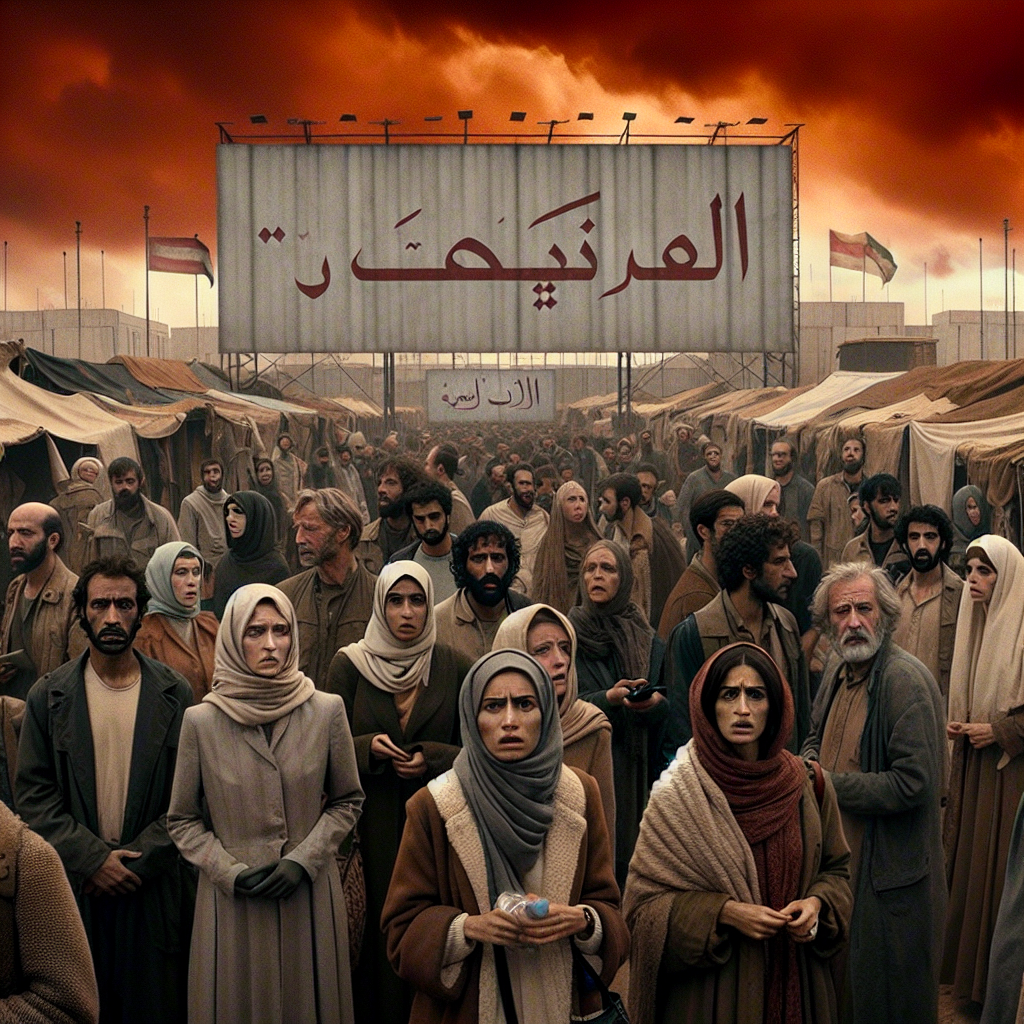
Palestinian Refugees in Gaza Dread Potential UNRWA Ban

Palestinian Refugees in Gaza Dread Potential UNRWA Ban
Background
The United Nations Relief and Works Agency for Palestine Refugees in the Near East (UNRWA) has been a lifeline for Palestinian refugees since its establishment in 1949. It provides essential services such as education, healthcare, and food assistance to millions of refugees across the Middle East, including those in Gaza.

Current Concerns
Recent discussions about a potential ban on UNRWA operations in Gaza have sparked fear and uncertainty among the refugee population. The implications of such a ban could be devastating, given the agency’s critical role in supporting the community.


Key Issues at Stake
- Humanitarian Impact: A ban could severely disrupt access to basic services, exacerbating the already dire living conditions in Gaza.
- Economic Consequences: UNRWA is a significant employer in the region, and its closure could lead to widespread job losses.
- Political Ramifications: The move could further destabilize the region, increasing tensions and potentially leading to unrest.
Community Reactions
Many refugees express deep anxiety over the potential ban, fearing for their future and the loss of vital support. Community leaders and activists are calling for international intervention to prevent such an outcome.


International Response
The international community is closely monitoring the situation, with some countries and organizations advocating for continued support of UNRWA to ensure the welfare of Palestinian refugees.
Conclusion
The potential ban on UNRWA in Gaza poses significant humanitarian, economic, and political challenges. The uncertainty surrounding this issue highlights the urgent need for a sustainable solution to support Palestinian refugees and maintain regional stability.















