
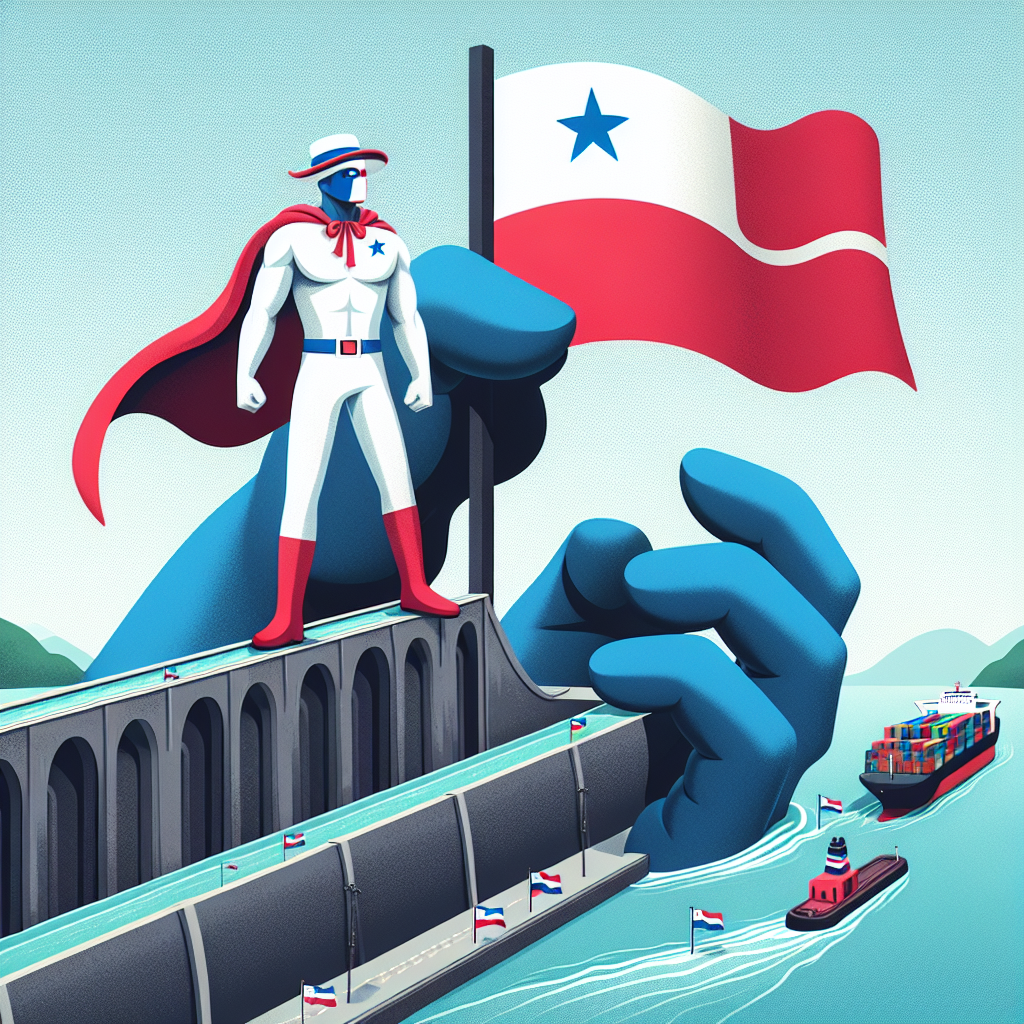
Panama Commits to Defending Canal Sovereignty Against US Control

Panama’s Stance on Canal Sovereignty
Background
The Panama Canal, a crucial maritime route connecting the Atlantic and Pacific Oceans, has long been a focal point of international interest. Historically, the United States controlled the canal until the Torrijos-Carter Treaties facilitated its transfer to Panama in 1999. Recent developments have reignited discussions about the canal’s sovereignty.

Panama’s Commitment
In a bold move, Panama has reaffirmed its commitment to maintaining sovereignty over the Panama Canal. This declaration comes amid concerns about potential U.S. influence and control over this vital waterway.


- Panama emphasizes its right to manage and operate the canal independently.
- The government is focused on ensuring the canal remains a neutral and open passage for global trade.
- Panama seeks to strengthen its international partnerships to support its stance on sovereignty.
International Implications
The reaffirmation of Panama’s control over the canal has significant geopolitical implications. It highlights the ongoing balance of power in the region and the importance of the canal in global trade dynamics.


- Potential shifts in U.S.-Panama relations as Panama asserts its independence.
- Increased interest from other global powers in supporting Panama’s sovereignty.
- Potential economic impacts on global shipping and trade routes.
Conclusion
Panama’s commitment to defending the sovereignty of the Panama Canal underscores its strategic importance in global trade and geopolitics. By asserting its control, Panama aims to maintain the canal as a neutral and open passage, while navigating complex international relations. This development is a reminder of the canal’s enduring significance and the delicate balance of power in the region.












