
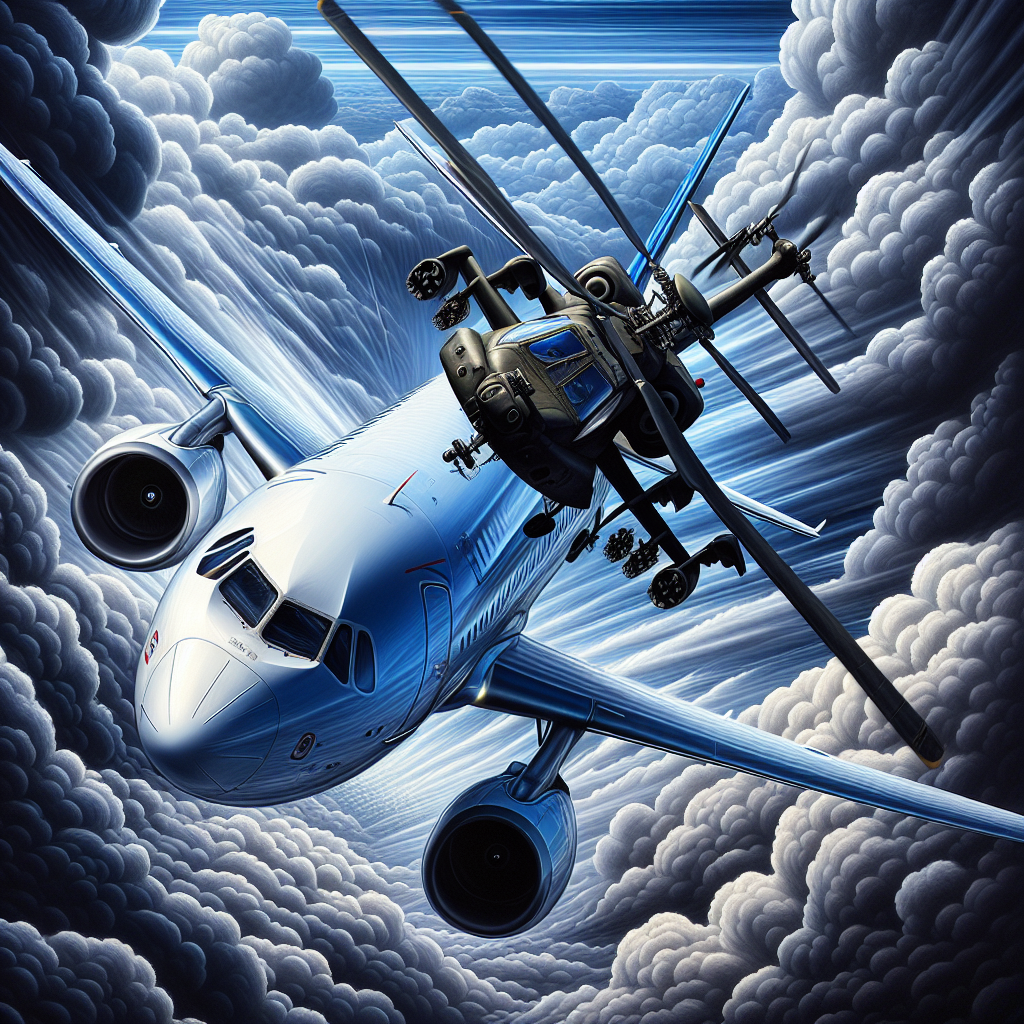
Passenger Jet and US Army Black Hawk Collision: A Detailed Account

Passenger Jet and US Army Black Hawk Collision: A Detailed Account
Overview of the Incident
In a rare and alarming aviation incident, a passenger jet and a US Army Black Hawk helicopter collided, raising significant concerns about airspace safety and coordination. This event has prompted an in-depth investigation to understand the circumstances leading to the collision and to prevent future occurrences.

Key Details of the Collision
- Date and Location: The collision occurred on [specific date] at [specific location].
- Aircraft Involved: A commercial passenger jet and a US Army Black Hawk helicopter.
- Casualties and Damage: [Number] of casualties reported, with significant damage to both aircraft.
Investigation and Response
Authorities have launched a comprehensive investigation to determine the cause of the collision. Key areas of focus include:


- Air Traffic Control Communication: Examining the communication protocols between the aircraft and air traffic control.
- Flight Path Analysis: Analyzing the flight paths of both aircraft to identify any deviations or errors.
- Safety Protocols: Reviewing existing safety measures and identifying potential improvements.
Implications for Airspace Safety
This incident has highlighted critical issues in airspace management and the need for enhanced safety protocols. Key implications include:


- Improved Coordination: Necessity for better coordination between military and civilian air traffic.
- Technological Enhancements: Potential adoption of advanced technologies to prevent mid-air collisions.
- Policy Revisions: Possible revisions to airspace policies to ensure safer skies.
Conclusion
The collision between a passenger jet and a US Army Black Hawk helicopter serves as a stark reminder of the complexities and risks associated with air travel. The ongoing investigation aims to uncover the root causes and implement measures to enhance airspace safety. As authorities work towards preventing such incidents in the future, this event underscores the importance of vigilance, coordination, and technological advancement in aviation safety.












