
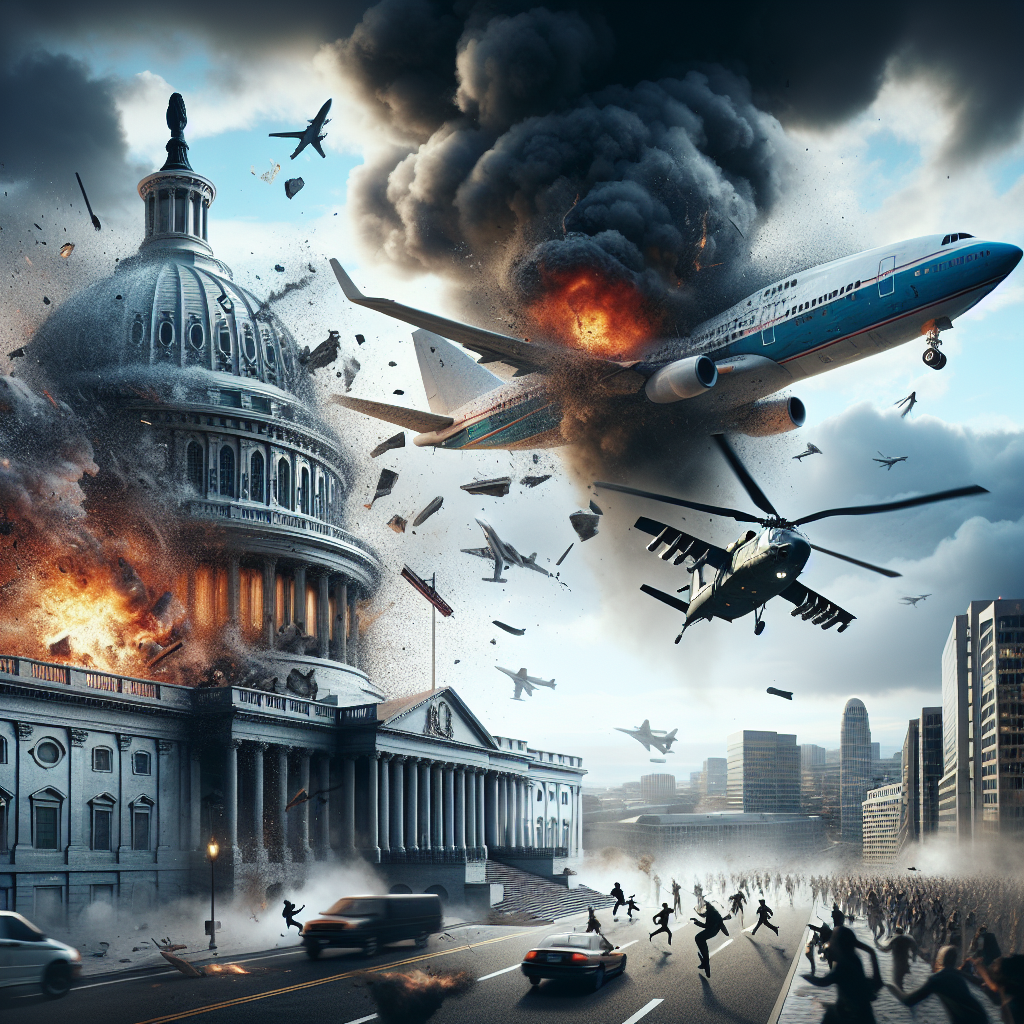
Passenger Jet and US Army Helicopter Collision Near Washington Raises Fatality Concerns

Passenger Jet and US Army Helicopter Collision Near Washington Raises Fatality Concerns
Incident Overview
A recent collision between a passenger jet and a US Army helicopter near Washington has sparked significant concerns over potential fatalities and safety protocols. The incident, which occurred in the airspace close to the nation’s capital, has prompted an urgent investigation by aviation authorities.

Key Details of the Collision
- Location: The collision took place near Washington, D.C., a critical area with high air traffic.
- Involved Aircraft: A commercial passenger jet and a US Army helicopter were involved in the incident.
- Time of Incident: The collision occurred during daylight hours, raising questions about visibility and communication.
Immediate Response and Investigation
Emergency response teams were dispatched promptly to the scene to assess the situation and provide necessary aid. The Federal Aviation Administration (FAA) and the National Transportation Safety Board (NTSB) have launched a joint investigation to determine the cause of the collision and assess the extent of damage and casualties.


Safety Concerns and Implications
- Air Traffic Control: The incident has highlighted potential gaps in air traffic control systems and communication protocols.
- Military and Civilian Airspace Coordination: The collision underscores the need for improved coordination between military and civilian aircraft operations.
- Public Safety: Concerns over public safety have been heightened, prompting calls for a review of current aviation safety measures.
Conclusion
The collision between a passenger jet and a US Army helicopter near Washington has raised serious concerns about aviation safety and coordination. As investigations continue, authorities are under pressure to address potential safety lapses and prevent future incidents. The outcome of this investigation will be crucial in shaping future aviation policies and ensuring the safety of both military and civilian air operations.















