Pioneering Surgery: First Human Receives Pig Liver Transplant in China

Pioneering Surgery: First Human Receives Pig Liver Transplant in China
Introduction to a Medical Milestone
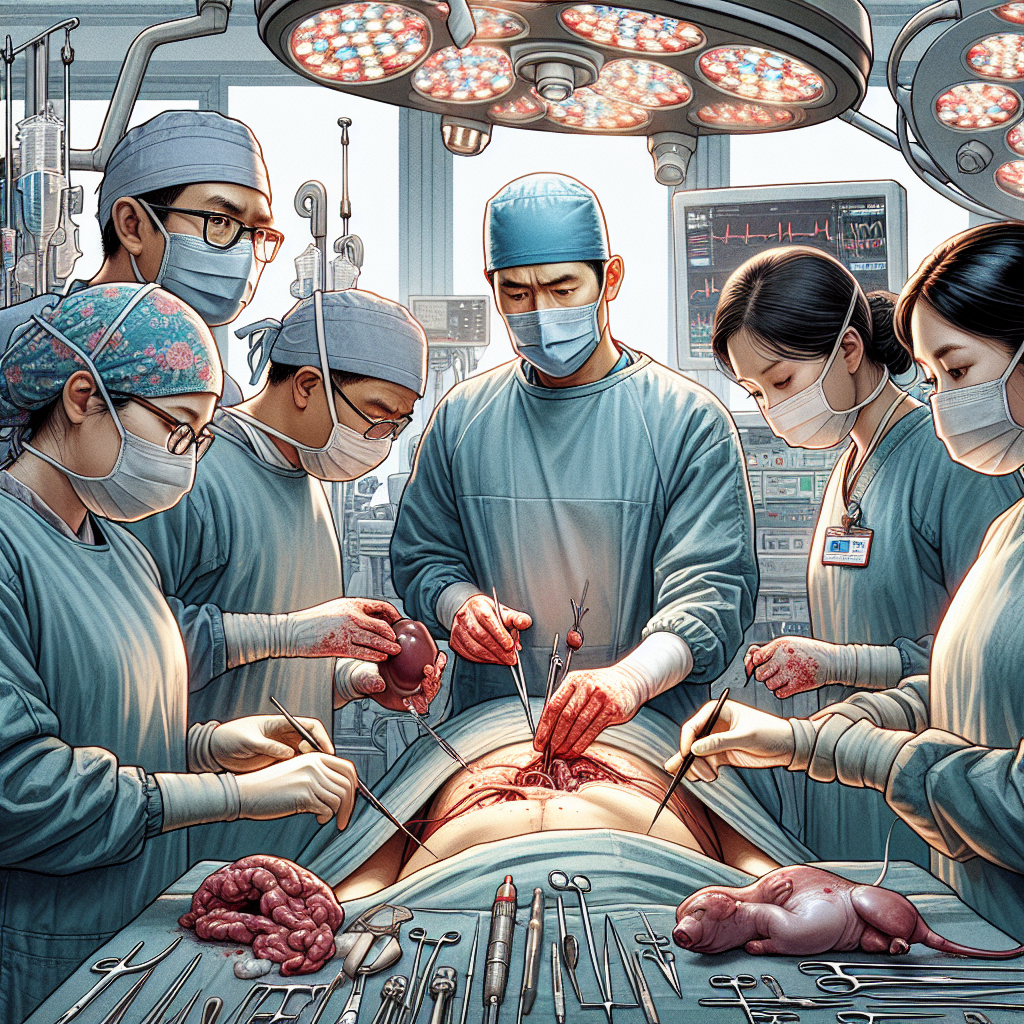
In a groundbreaking medical achievement, a team of Chinese surgeons has successfully transplanted a pig liver into a human patient. This pioneering surgery marks a significant step forward in the field of xenotransplantation, offering new hope for addressing the global organ shortage crisis.

Key Highlights of the Surgery
- Innovative Procedure: The surgery involved transplanting a genetically modified pig liver into a human recipient, aiming to overcome the challenges of organ rejection.
- Genetic Modifications: The pig liver was altered to reduce the risk of rejection by the human immune system, a common hurdle in xenotransplantation.
- Medical Team: A skilled team of surgeons and researchers from China led the procedure, showcasing their expertise in cutting-edge medical techniques.
Implications for the Future
This successful transplant could pave the way for future advancements in xenotransplantation, potentially alleviating the severe shortage of human organs available for transplant. The procedure also highlights the importance of continued research and innovation in the field of regenerative medicine.


Challenges and Considerations
- Ethical Concerns: The use of animal organs in humans raises ethical questions that need to be addressed as the field progresses.
- Long-term Viability: Monitoring the long-term health and viability of the recipient is crucial to understanding the full potential of such transplants.
- Regulatory Hurdles: Ensuring compliance with international medical standards and regulations is essential for the widespread adoption of xenotransplantation.
Conclusion
The successful pig liver transplant in China represents a monumental leap in medical science, offering a glimpse into a future where organ shortages could be mitigated through innovative solutions. While challenges remain, the potential benefits of xenotransplantation are immense, promising a new era in organ transplantation and regenerative medicine.