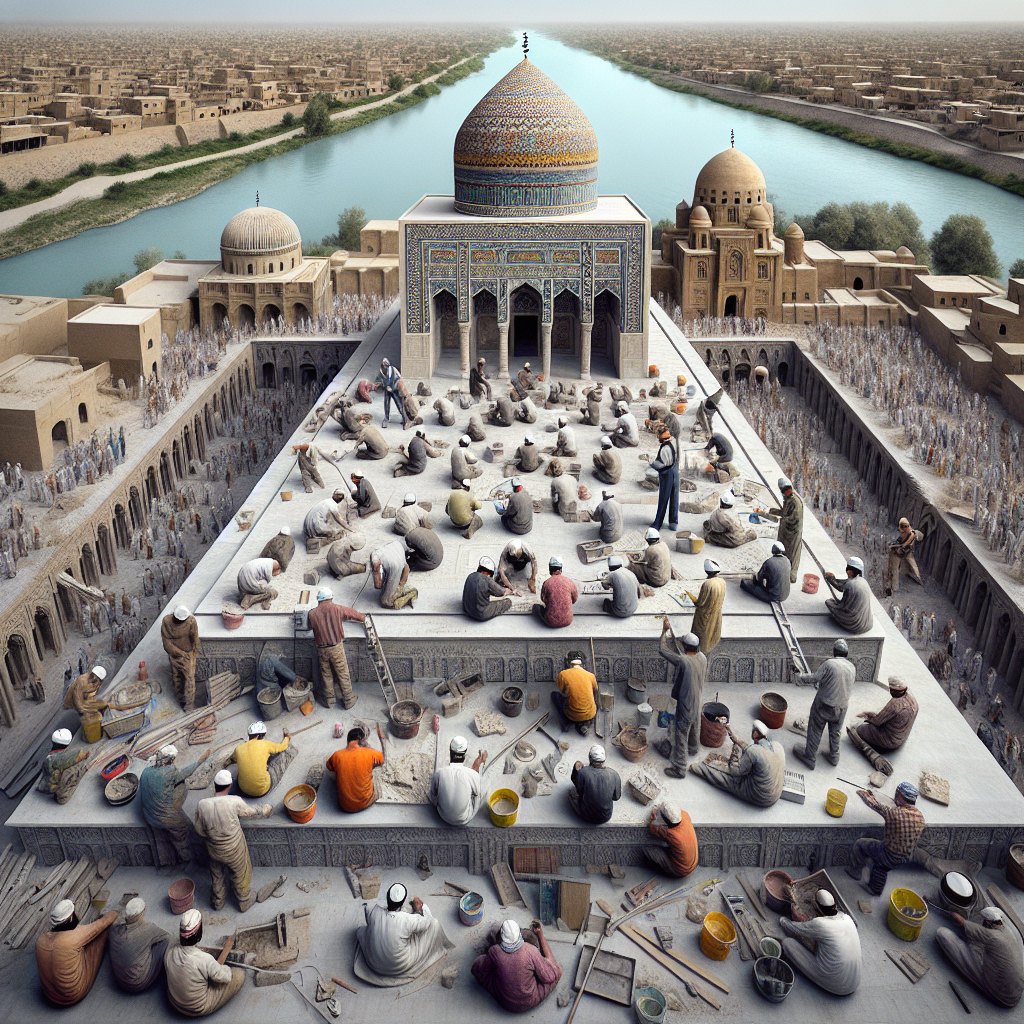
Rebuilding Mosul: The Restoration of Iraq’s Historic Landmark

Rebuilding Mosul: The Restoration of Iraq’s Historic Landmark
Introduction
In the aftermath of conflict, Mosul, a city rich in history and culture, is undergoing a significant transformation. The restoration of its historic landmarks is not only a testament to resilience but also a beacon of hope for the future.

The Significance of Mosul’s Landmarks
Mosul’s landmarks are more than just architectural marvels; they are symbols of the city’s diverse cultural heritage and historical significance.


- Al-Nuri Mosque: Known for its iconic leaning minaret, this mosque is a symbol of Mosul’s Islamic heritage.
- Old City: A labyrinth of ancient streets and buildings that tell the story of Mosul’s past.
- Churches and Synagogues: Reflecting the city’s once vibrant multi-religious community.
Challenges in Restoration
The restoration process is fraught with challenges, from logistical hurdles to ensuring historical accuracy.


- Funding: Securing financial resources for large-scale restoration projects.
- Technical Expertise: Need for skilled artisans and architects to preserve historical integrity.
- Security Concerns: Ensuring safety in a region still recovering from conflict.
Collaborative Efforts
The restoration of Mosul’s landmarks is a collaborative effort involving local and international stakeholders.
- UNESCO: Leading international efforts to restore cultural heritage sites.
- Local Government: Providing support and resources for restoration projects.
- Community Involvement: Engaging local residents in the restoration process to foster a sense of ownership and pride.
Impact on the Community
The restoration of Mosul’s landmarks is having a profound impact on the local community, offering both economic and social benefits.
- Tourism Revival: Attracting visitors and boosting the local economy.
- Cultural Reconnection: Reconnecting residents with their cultural heritage and history.
- Job Creation: Providing employment opportunities in restoration and tourism sectors.
Conclusion
The restoration of Mosul’s historic landmarks is a powerful symbol of resilience and hope. It not only preserves the city’s rich cultural heritage but also paves the way for a brighter future, fostering economic growth and community pride. As Mosul rebuilds, it stands as a testament to the enduring spirit of its people and the importance of preserving history for future generations.