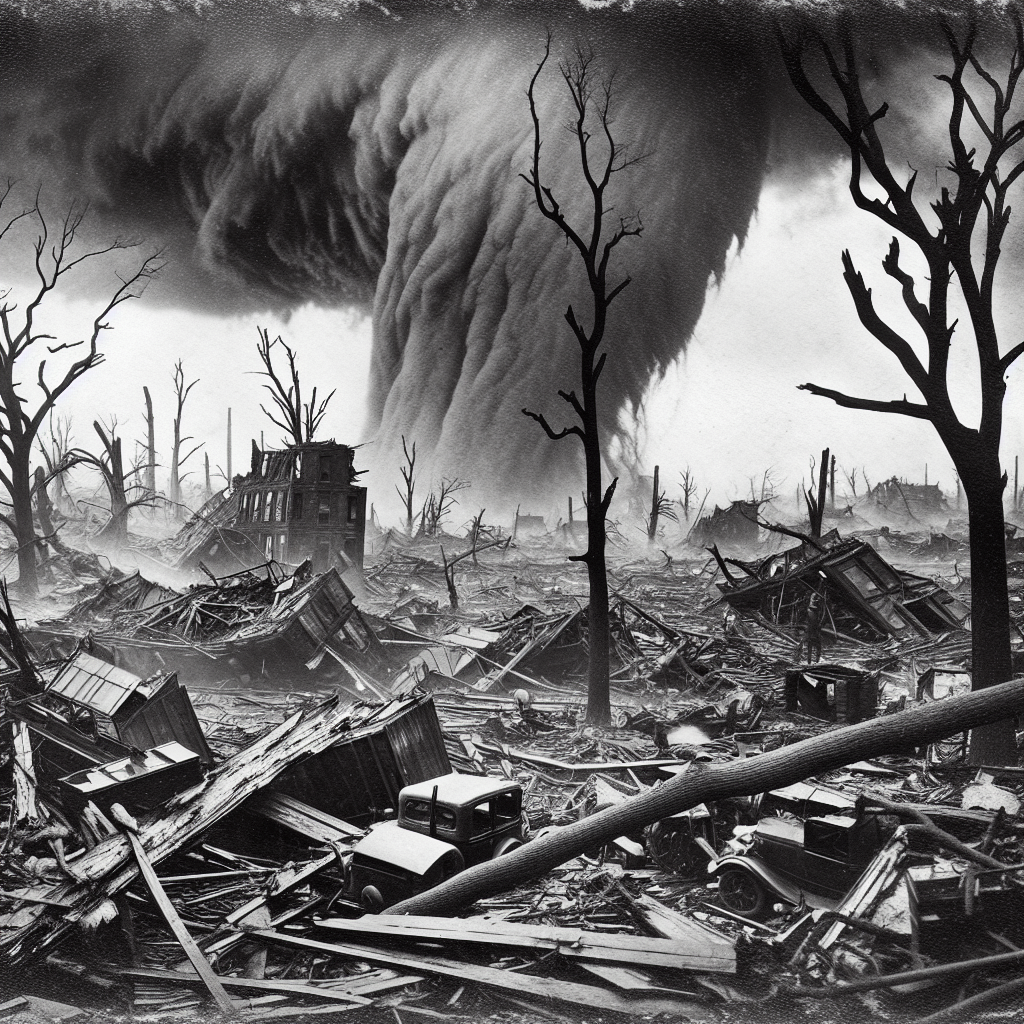
Remembering the Tri-State Tornado: The Deadliest Tornado in US History 100 Years Later

Remembering the Tri-State Tornado: A Century Later
The Deadliest Tornado in US History
One hundred years ago, the Tri-State Tornado carved a path of destruction across Missouri, Illinois, and Indiana, marking its place as the deadliest tornado in United States history. This catastrophic event remains a poignant reminder of nature’s formidable power and the importance of preparedness.

Unprecedented Destruction
- Path of Devastation: The tornado traveled over 219 miles, maintaining a continuous path of destruction for more than three hours.
- Casualties and Damage: It claimed the lives of 695 people and injured over 2,000, leaving entire communities in ruins.
- Impact on Infrastructure: Thousands of homes, schools, and businesses were obliterated, with damages estimated at $17 million in 1925 dollars (equivalent to over $2 billion today).
Lessons Learned and Advances in Meteorology
The Tri-State Tornado spurred significant advancements in meteorological science and emergency response strategies. Key developments include:


- Improved Forecasting: Enhanced understanding of tornado formation and improved forecasting techniques have been developed to better predict such events.
- Emergency Preparedness: The disaster underscored the need for robust emergency preparedness plans and public awareness campaigns.
- Technological Innovations: Advances in radar technology and communication systems have significantly improved early warning capabilities.
Commemorating the Centennial
As we mark the centennial of the Tri-State Tornado, communities and historians reflect on the lessons learned and honor the resilience of those affected. Memorials and educational programs are being held to remember the victims and to educate future generations about the importance of disaster preparedness.


Conclusion
The Tri-State Tornado remains a stark reminder of the destructive potential of natural disasters. A century later, its legacy continues to influence meteorological practices and emergency management strategies, ensuring that communities are better equipped to face similar challenges in the future.