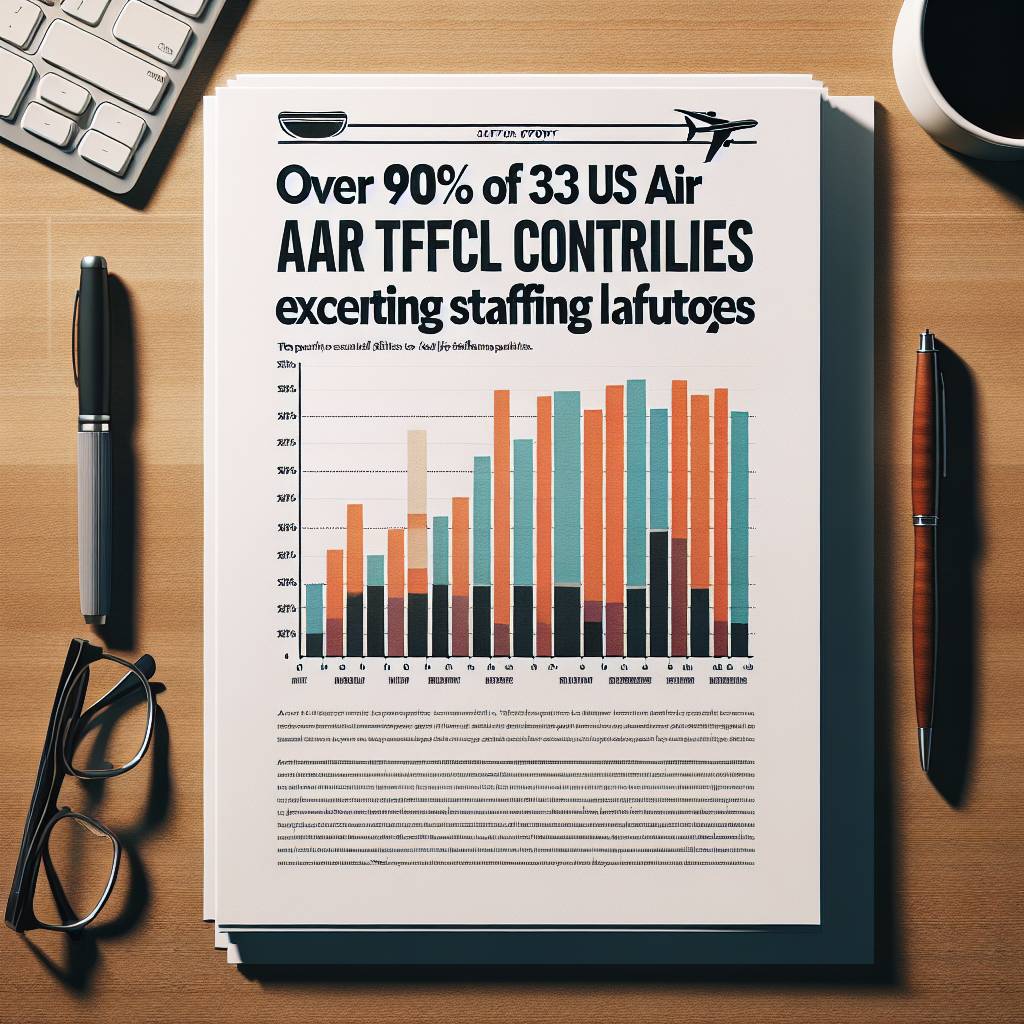
Report Reveals Over 90% of 313 US Air Traffic Control Facilities Face Staffing Shortages

Report Reveals Critical Staffing Shortages in US Air Traffic Control Facilities
Overview of the Situation
A recent report has unveiled a concerning issue within the United States’ air traffic control system. Over 90% of the 313 air traffic control facilities across the country are experiencing significant staffing shortages, raising alarms about the potential impact on air travel safety and efficiency.

Key Findings
- Widespread Shortages: The report highlights that a vast majority of facilities are understaffed, affecting their operational capabilities.
- Safety Concerns: Insufficient staffing levels could compromise the safety of air travel, as controllers are essential for managing air traffic and preventing collisions.
- Operational Delays: Staffing shortages may lead to increased delays and disruptions in air travel schedules, affecting passengers and airlines alike.
Implications for Air Travel
The staffing crisis in air traffic control facilities poses several challenges:
Ads


- Increased Workload: Current staff may face heightened stress and fatigue due to increased workloads, potentially impacting their performance.
- Training and Recruitment: There is an urgent need for enhanced recruitment and training programs to address the shortages and ensure a steady pipeline of qualified air traffic controllers.
- Policy and Funding: The situation calls for policy interventions and increased funding to support staffing needs and maintain the integrity of the air traffic control system.
Conclusion
The report underscores a critical issue facing the US air traffic control system, with over 90% of facilities grappling with staffing shortages. This situation not only threatens the safety and efficiency of air travel but also highlights the need for immediate action in recruitment, training, and policy reform to safeguard the future of air traffic management.
Ads

Ads

Ads

Ads

Ads

Ads

Ads

Ads

Ads

Ads

Ads

Ads

Ads