
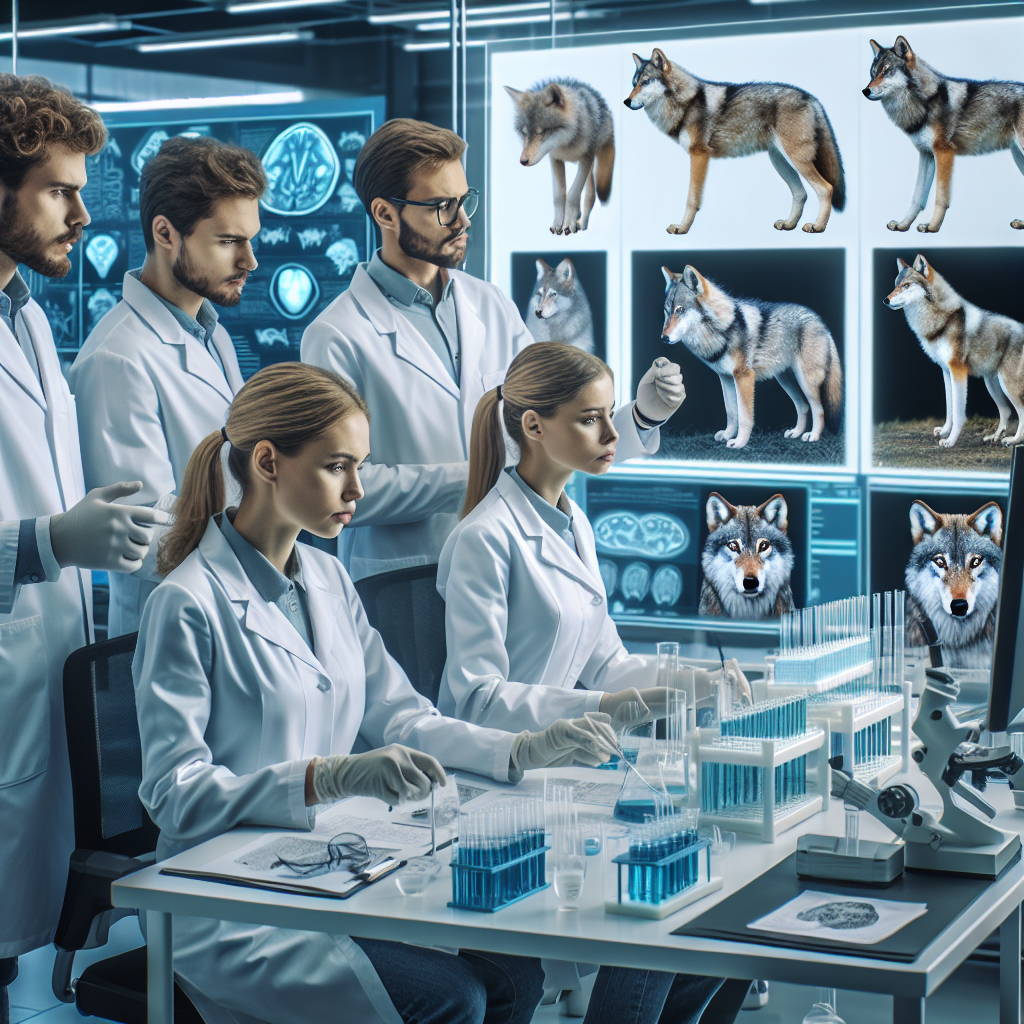
Researchers Create Genetically Modified Wolves Resembling Extinct Species

Researchers Create Genetically Modified Wolves Resembling Extinct Species
Introduction to the Breakthrough
In a groundbreaking development, scientists have successfully engineered genetically modified wolves that closely resemble an extinct species. This innovative research aims to explore the possibilities of de-extinction and its implications for biodiversity and conservation.

The Science Behind the Creation
Utilizing advanced genetic engineering techniques, researchers have managed to recreate specific traits of the extinct species in modern wolves. This process involved:


- Identifying and isolating key genetic markers from preserved DNA samples of the extinct species.
- Employing CRISPR technology to edit the genome of living wolves.
- Ensuring the modified wolves exhibit physical and behavioral characteristics akin to their extinct counterparts.
Potential Implications and Ethical Considerations
The creation of these genetically modified wolves opens up a myriad of possibilities and challenges:


- Biodiversity Enhancement: Potential to restore lost species and enhance ecosystem diversity.
- Conservation Efforts: Offers new tools for conservationists to combat species extinction.
- Ethical Concerns: Raises questions about the moral implications of genetic manipulation and the potential impact on natural ecosystems.
Future Prospects and Research Directions
As this research progresses, scientists are keen to explore further applications and refine techniques. Future directions include:
- Improving genetic editing precision to minimize unintended consequences.
- Conducting long-term studies on the ecological impact of reintroducing modified species.
- Engaging with policymakers and the public to address ethical and environmental concerns.
Conclusion
This pioneering research marks a significant step forward in the field of genetic engineering and conservation. While it offers exciting possibilities for biodiversity restoration, it also necessitates careful consideration of ethical and ecological implications. As scientists continue to explore this frontier, the balance between innovation and responsibility will be crucial.















