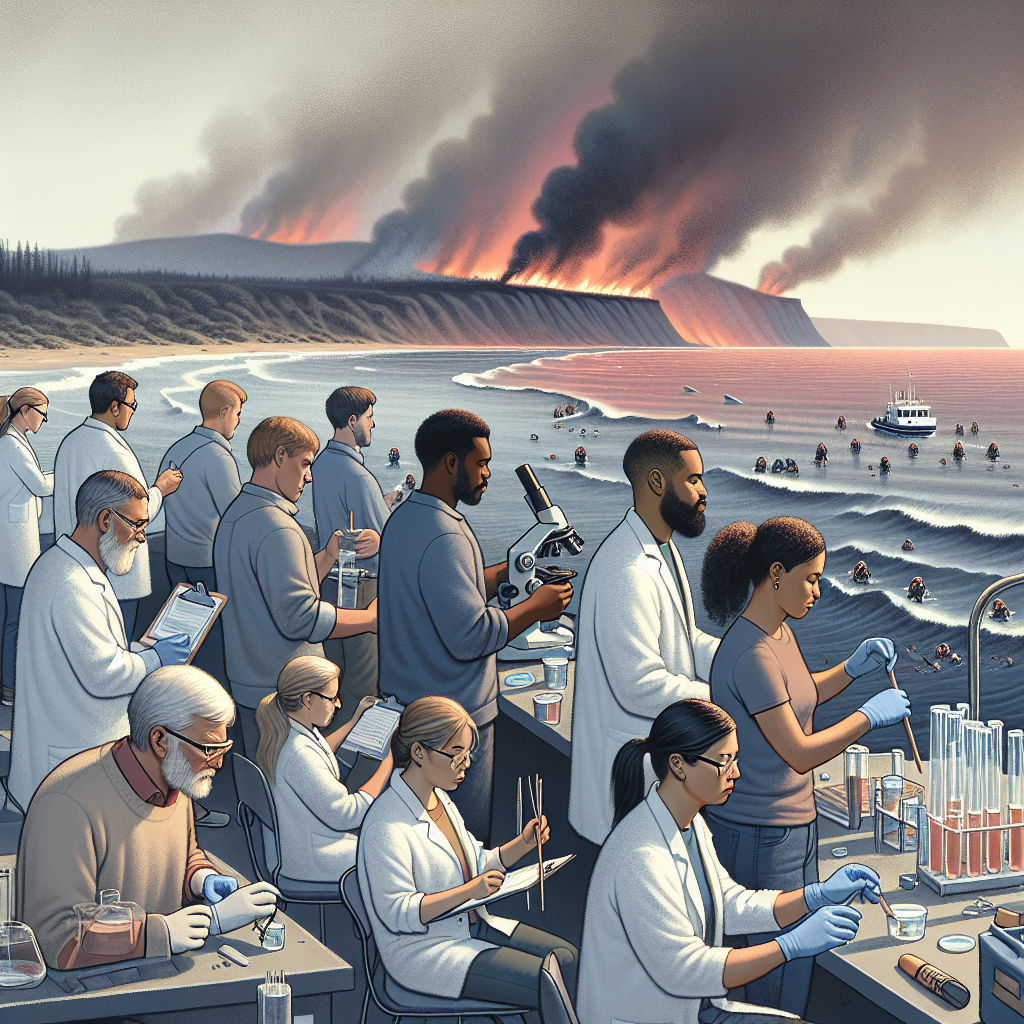
Researchers Rush to Uncover Ocean Damage from LA Wildfires

Researchers Rush to Uncover Ocean Damage from LA Wildfires
Introduction
In the wake of devastating wildfires in Los Angeles, scientists are racing against time to assess the impact on the nearby ocean ecosystems. The urgency stems from the potential long-term effects on marine life and water quality, which could have far-reaching consequences.

Key Concerns
- Pollutant Runoff: Ash and debris from the wildfires are being washed into the ocean, introducing harmful pollutants.
- Marine Life Impact: The influx of toxins poses a threat to marine species, potentially disrupting food chains.
- Water Quality: Changes in water chemistry could affect both marine biodiversity and human activities such as fishing and recreation.
Research Efforts
Teams of scientists are employing various methods to study the situation:


- Water Sampling: Collecting samples to analyze chemical changes and pollutant levels.
- Satellite Monitoring: Using satellite imagery to track the spread of pollutants.
- Collaborative Studies: Partnering with local agencies and universities to pool resources and expertise.
Potential Solutions
Researchers are also exploring ways to mitigate the damage:


- Restoration Projects: Initiatives to restore affected marine habitats.
- Policy Recommendations: Advising on regulations to prevent future incidents.
- Public Awareness: Educating communities on the importance of protecting ocean health.
Conclusion
The aftermath of the LA wildfires presents a critical challenge for ocean conservation. By understanding the extent of the damage and implementing effective solutions, researchers aim to safeguard marine ecosystems for future generations. The ongoing efforts highlight the interconnectedness of terrestrial and marine environments and the need for comprehensive environmental management strategies.